If you’re building a new home in Ireland, installing solar panels for new builds during construction is the smartest financial decision you can make before you get the keys. The cost is lower, the installation is cleaner, and you start generating your own electricity from day one. Most people don’t realise the timing matters as much as the technology.
The numbers back that up. Ireland now has over 155,000 households generating their own renewable electricity, with more than 33,000 homes installing solar PV in 2025 alone. In the first three months of 2026, SEAI received over 10,000 grant applications, and RTE reported domestic solar purchases growing by over 30% in that period. The shift is already happening. The question is whether your new home is part of it from the start, or playing catch-up five years later.
Why New Builds Are the Best Opportunity for Solar in Ireland
Most homeowners who retrofit solar panels are working around an existing roof, an existing electrical system, and in some cases, an attic full of insulation that makes cable runs more complicated than they need to be. That costs time and money.
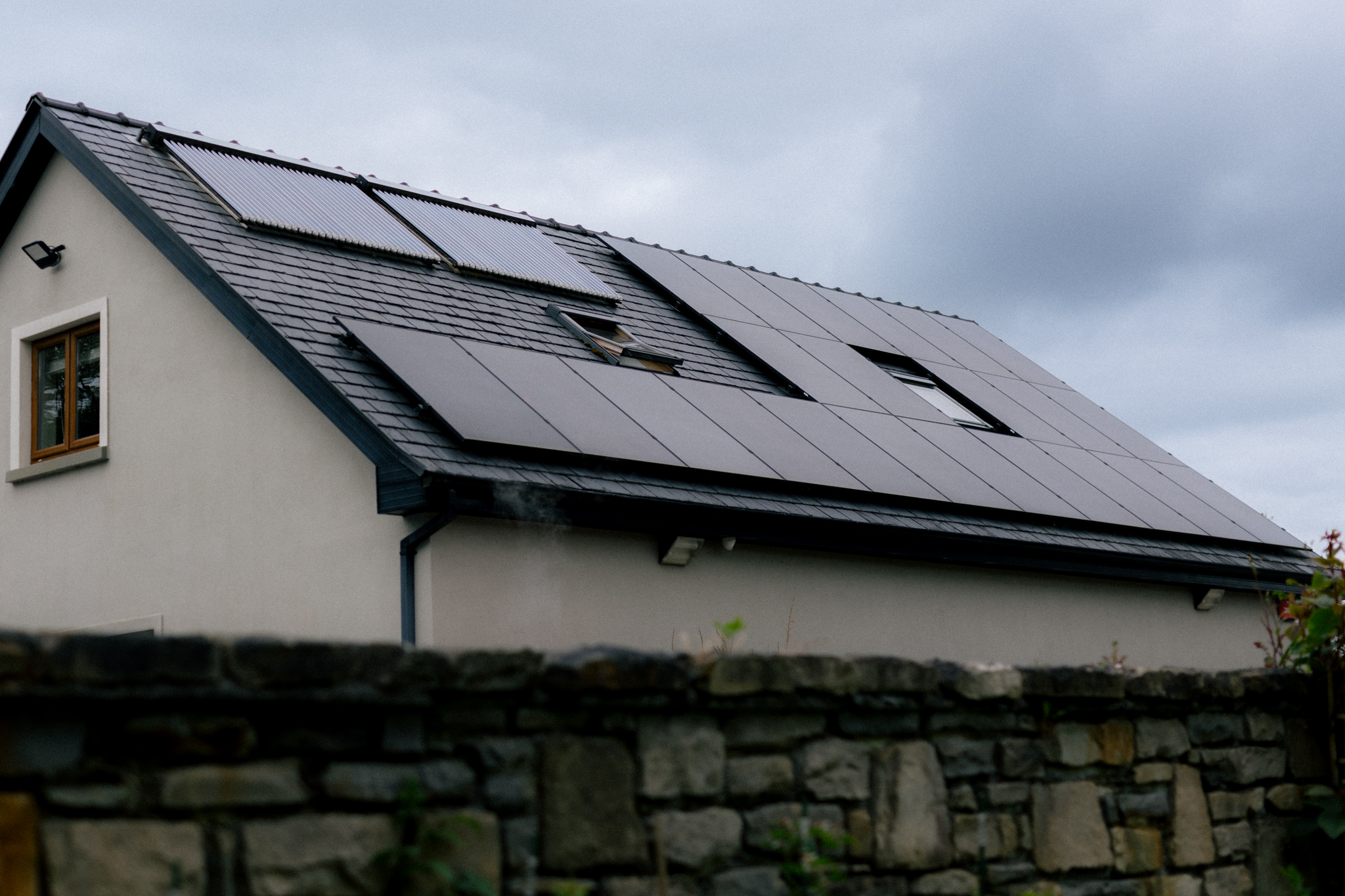
When you’re building from scratch, none of those constraints exist. You can orient the roof with solar output in mind, route cabling cleanly before walls are plastered, size your fuse board correctly from the start, and fit battery storage in a purpose-built utility space rather than squeezed under a staircase. The result is a cleaner install, lower labour costs, and a system designed to perform, not adapted to fit.
It’s one of the few genuine advantages new build homeowners have over existing homeowners when it comes to going solar. Most people only realise it after the build is done.
Should You Install Solar Panels During or After Construction?
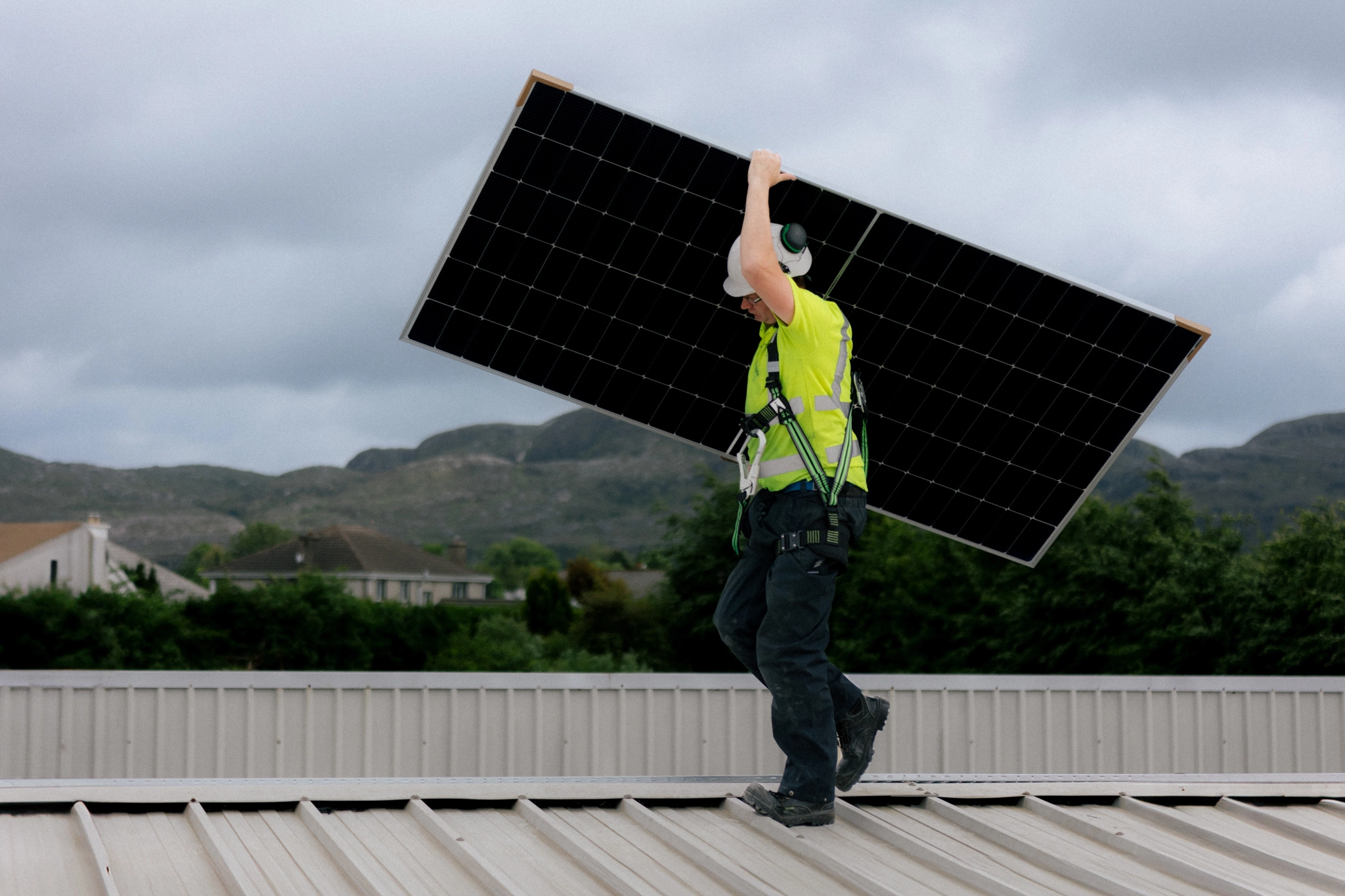
Install during construction, if at all possible. Fitting solar as part of the build means your roofer, electrician, and solar installer can coordinate in one programme rather than three separate mobilisations. No finished walls get opened. No completed roofs get disturbed. The system is designed from the start rather than adapted to whatever space and cable routes are left over.
That case is stronger in Ireland now because solar uptake is rising fast, with 34,088 households installing solar panels with grant aid in 2025, according to SEAI data. Waiting until after handover is still viable. Plenty of retrofits go smoothly. But the timing, cost, and disruption comparison is not close. If you have the choice, use it.
Benefits of Solar PV for New Build Homes
Roughly two in five new homes in Ireland now include solar PV as part of the build. Not as a luxury add-on. As standard practice, driven by BER requirements and the simple logic that fitting panels before the plasterer arrives costs less than doing it after. New builds cannot access the SEAI solar PV grant, reserved for homes occupied before 2021, but that matters less than it sounds. Integrating solar into your build contract removes the retrofit premium, the repeat mobilisation costs, and the disruption that 34,088 grant-aided households in 2025 were still navigating around.
The design advantage is what makes the timing decision so one-sided. Roof orientation, cable routing, fuse board capacity, battery storage, EV charging. Every one of those decisions is cheaper and cleaner during a first fix than after handover. Over 94,000 Irish homes had solar by mid-2024. Most retrofitted. New build owners are the rare few who get to do it right from the start, with a BER rating, running costs, and feed-in tariff eligibility that begin from day one.
What Happens If You Wait Until After Construction?
Waiting until the build is complete is still a viable route. Retrofits are well-established in Ireland and most systems go in without major disruption. But it costs more than it had to. A fuse board that needs upgrading, cabling routed through finished walls, roof tiles lifted twelve months after you’ve moved in. None of these are showstoppers. All of them were avoidable.
If you’re building in the North-West and solar didn’t make it into the original programme, a retrofit is still straightforward. Get in touch and we’ll assess what’s involved for your property.
SEAI Grants for New Builds
The SEAI solar grant is available for new builds as well as existing homes, and for most homeowners it meaningfully reduces the upfront cost of a system. The current grant offers up to €1,800 for solar PV installation, with additional support available for battery storage. But the application process has specific requirements around how and when work is contracted and completed. Getting that sequencing wrong costs money.
As SEAI-registered installers, we manage the SEAI solar grant application process on behalf of our customers. We handle this regularly for new build clients across Sligo, Mayo, Donegal, Leitrim, Roscommon, and Galway, which means we know where the process trips people up before it trips you up.
If you are building a new home in the North-West and want to understand exactly what the solar grant for new builds covers and how to structure the process correctly, get in touch with us today or call 071 931 0111. You can also find full up-to-date grant details on the SEAI website.
Grant figures were accurate at the time of writing. SEAI support amounts are subject to change. Always check the SEAI website for the most current figures before making any financial decisions.
How to Get Solar Built Into Your House Without a Single Disruption
The sequence that works is straightforward.
Engage your solar installer before your roof is finished. Not a full contract commitment. A design conversation, so your builder knows what’s coming and when. Cable containment, penetrations, and any utility room requirements go into the programme at this point.
Next, your solar installer and your electrician coordinate on first-fix cabling routes. Short conversation. Prevents trades coming back to site after handover.
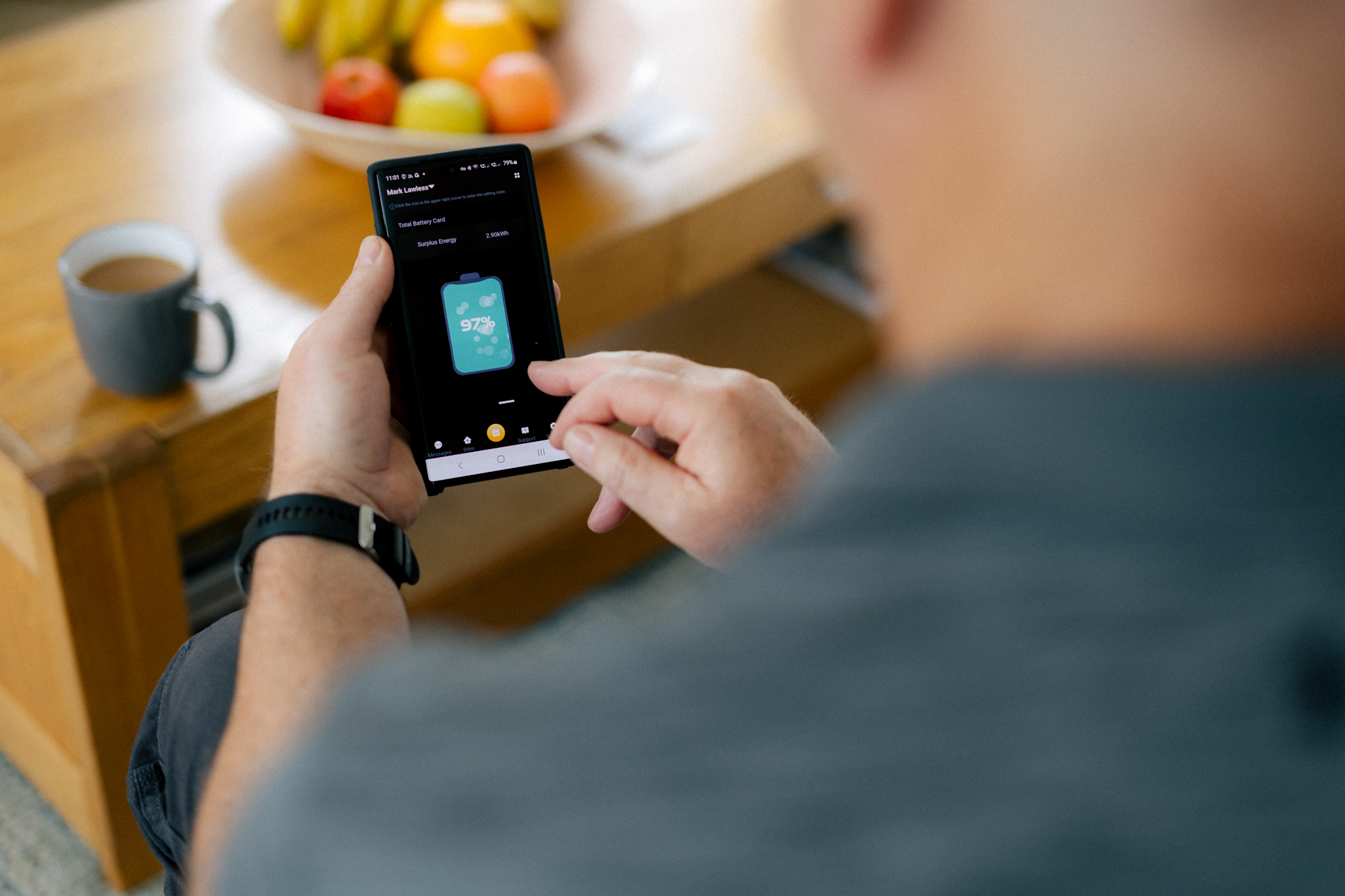
Once the build reaches the appropriate stage, the solar installation completes as part of the finishing programme. You move into a house that generates its own electricity from day one. No separate mobilisation. No disruption.
From a building energy rating perspective, solar confirmed during the build supports a stronger energy rating, which can influence the mortgage product you qualify for, how lenders assess the property, and what a buyer will pay for it in ten years. For more on how solar affects your BER, see our guide to residential solar in Ireland
The One Mistake to Avoid
The most common mistake on new-build projects is treating solar as something to sort out after handover.
It gets pushed back because there are a hundred other decisions demanding attention. Then the walls are plastered, the kitchen is fitted, and a system that would have been cleaner and cheaper is now more disruptive than it had to be.
If solar is on your list, have the conversation before your builder’s programme is set. That’s the window.
Not ready to commit yet? Read our guide to SEAI solar grants to understand what financial support is available before you decide.
Talk to Us Before Your Build Programme Closes Out
We’ll give you a straight answer about what’s involved, what stage to bring us in, and what the SEAI grant covers for a new build.
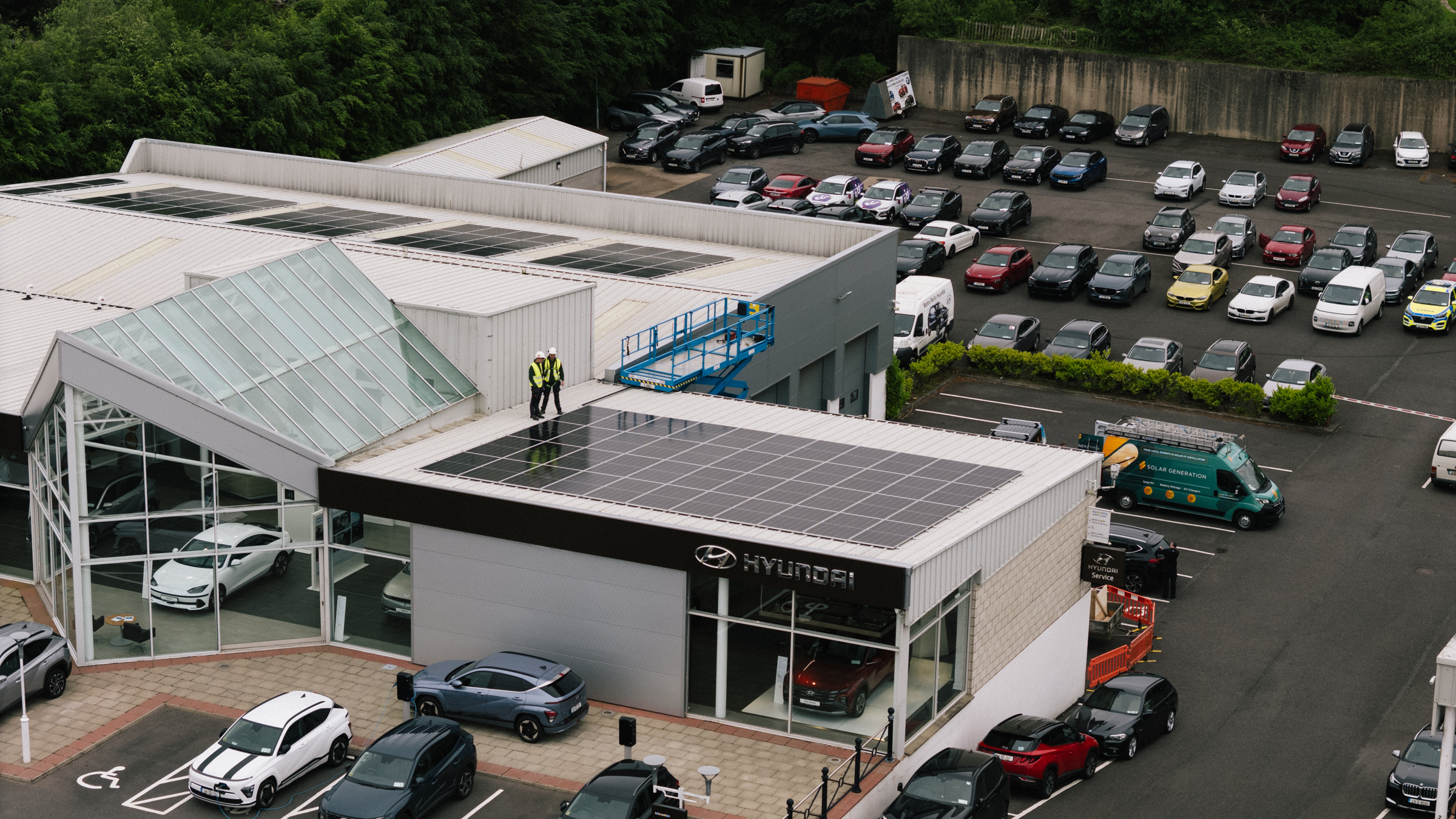
Solar Generation are Sligo-based SEAI-registered solar installers working across Sligo, Mayo, Donegal, Leitrim, Roscommon, and Galway. We’ve helped hundreds of homeowners and developers across the North-West get solar done right, from design stage through to installation, grant application, and after-sales monitoring.
Get a free quote today by calling us on 071 931 0111 or request a free consultation online and we’ll walk you through exactly what’s possible for your new build.