Most people spend more time researching a dishwasher than they do vetting the company about to bolt photovoltaic panels to their roof, connect them to their home’s electrics, and submit grant paperwork on their behalf to a government scheme.
The solar installation market has expanded faster than most buyers have learnt to tell a good installer from a poor one. By the time you finish reading this, you’ll know exactly what to ask and what the answers should sound like.
SEAI Registration Is the Floor, Not the Ceiling

If the solar installer isn’t registered with the Sustainable Energy Authority of Ireland, the conversation ends there. SEAI registration is a baseline, not a mark of quality. It means the company is eligible to participate in the grant scheme and has met the minimum requirements to do so.
What it doesn’t tell you: whether they’re competent, whether they’ll still be trading in three years, or whether they have genuine experience with your property type and location.
Use SEAI registration to filter out the unsuitable companies. Use everything below to choose between the ones that remain.
Yes, the Upfront Cost Is Real. Here’s How to Think About It
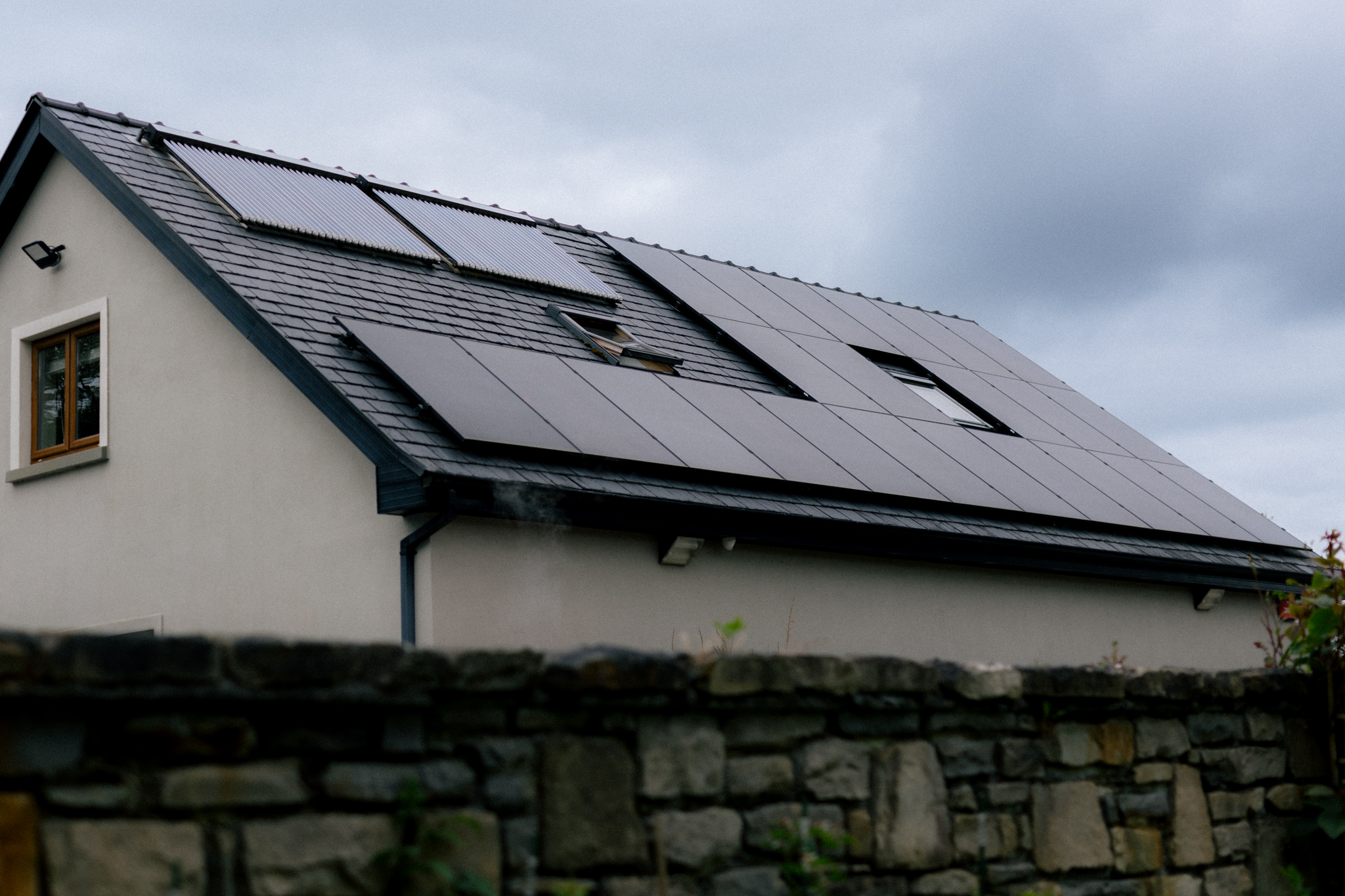
A typical residential solar PV system in Ireland costs between €6,000 and €12,000 before the SEAI grant is applied. After the grant, and accounting for reduced energy bills across the system’s 25-year lifespan, most homeowners see a payback period somewhere between 6 and 10 years. After that, the electricity is effectively free.
That context matters before you start comparing quotes.
The gap between a strong installer and a poor one doesn’t show up in year one. It shows up when something needs attention in year four, when an inverter needs replacing in year twelve, and in every electricity bill between now and then, depending on how well your system was sized and installed in the first place.
The cheapest quote is not automatically the best value. That’s the most important thing to understand before any decision gets made.
How Long Have They Actually Been Installing Solar PV in Ireland?
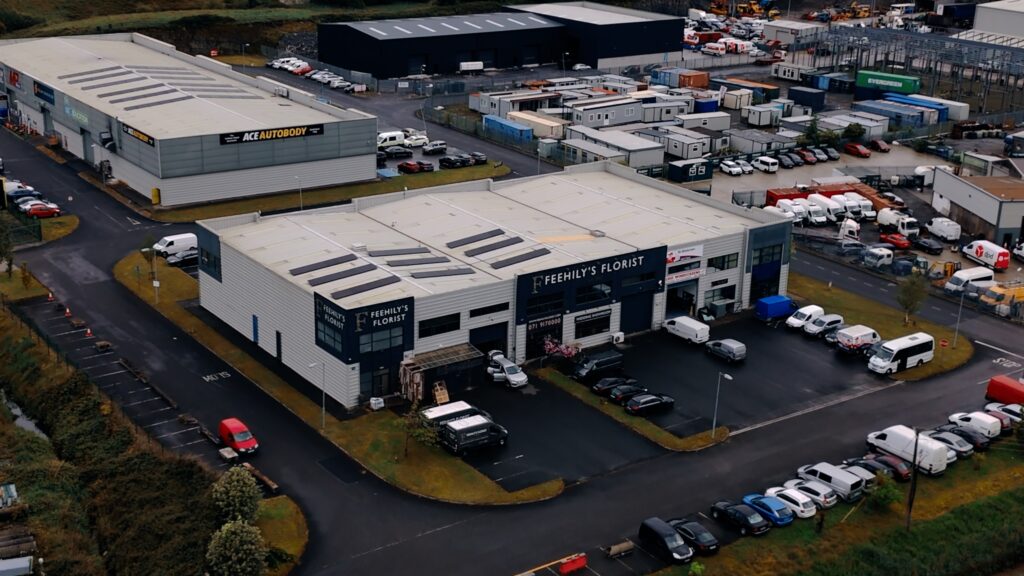
The Irish solar installation market grew rapidly after grant support expanded. That growth brought in experienced operators. It also brought in businesses that were doing something else entirely two years ago.
Ask directly: how long has your company been installing solar PV systems? How many residential installations have you completed? Do you have experience with homes similar to mine in this part of Ireland?
A solar installer with 500 installs across a specific region has learned something a newer competitor simply hasn’t. They’ve worked with older roof structures, dealt with planning edge cases, navigated local grid connection timelines, and built supplier relationships that directly affect your lead times when something needs attention.
Experience isn’t everything. But its absence is a risk worth pricing in.
Check Where They’re Actually Based
This matters more than most guides acknowledge.
A national solar company headquartered in Dublin is sending a crew from a distance. When something needs adjusting after installation, or a monitoring system flags a fault six months later, you are a long way down their priority list. Not because they don’t care. Because you’re far away and the next job is closer.
A solar panel installer based in your own region operates differently. Their reputation was built locally. Their next customer probably knows your neighbour. Their team can reach you faster, and their interest in getting your installation right extends well beyond the day the crew leaves.
Ask: where are your installation teams based, and where will the people coming to my house be travelling from?
Get More Than One Quote Then Look at What’s Actually in Them
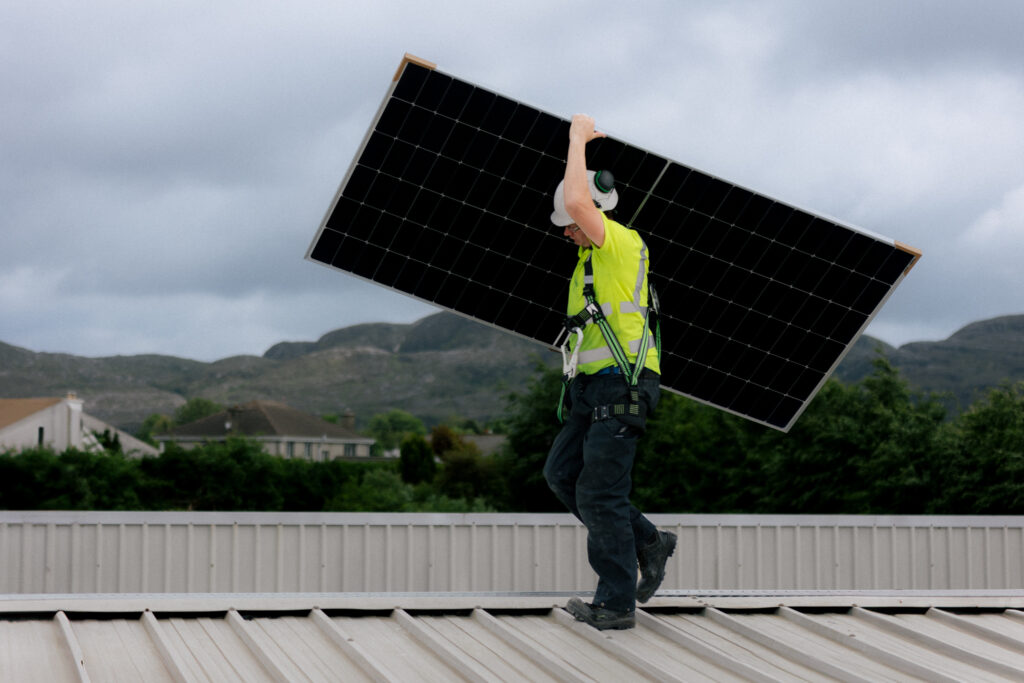
Three quotes is a reasonable minimum. But the price comparison is almost never the point.
Look at what each installer is proposing. Not just the solar panel brand, but the inverter, the mounting system, the cabling approach, and any monitoring equipment. The inverter converts the direct current your panels generate into usable electricity for your home. It is typically the first component to need replacing in a solar PV system, usually somewhere between 10 and 15 years in. A cheaper inverter is a cost you pay later, out of your own pocket, long after you’ve forgotten who installed it.
What to ask each company: Why did you specify this equipment? What is the warranty on the panels and inverters? Who handles warranty claims if something goes wrong?
Those answers tell you more about the installer than any brochure will.
Understand the SEAI Solar Grant Process in Specific Terms
The SEAI solar PV grant reduces the upfront cost of solar panels. Most installers will mention it. Fewer will walk you through how it actually works in practice.
The grant is paid to the homeowner after installation. That means you need the full installation cost available before any money comes back. Some solar installers offer bridging arrangements. Most don’t. Know this before you sign anything.

There are also eligibility conditions worth understanding in advance. Your home must have been built and occupied before 2021 to qualify under the current residential solar PV scheme. A BER assessment is required as part of the grant application, and in some cases a new BER is needed after the installation is complete, carried out by a registered BER assessor.
Ask: Who submits the grant application? What is your typical timeline from installation to grant payment? Are there any situations where my property or system specification could affect eligibility?
If the answer to that last question is an immediate “no, everyone qualifies”, be cautious. A knowledgeable installer knows the conditions precisely. They won’t gloss over them.
Ask About System Size and Your Actual Energy Needs
A reputable installer sizes a solar PV system around your household’s actual energy consumption. Not the largest system that fits on your roof. Your consumption.
Get them to show you the projected annual output. Ask how the figure was calculated and how it compares to what your home currently uses.
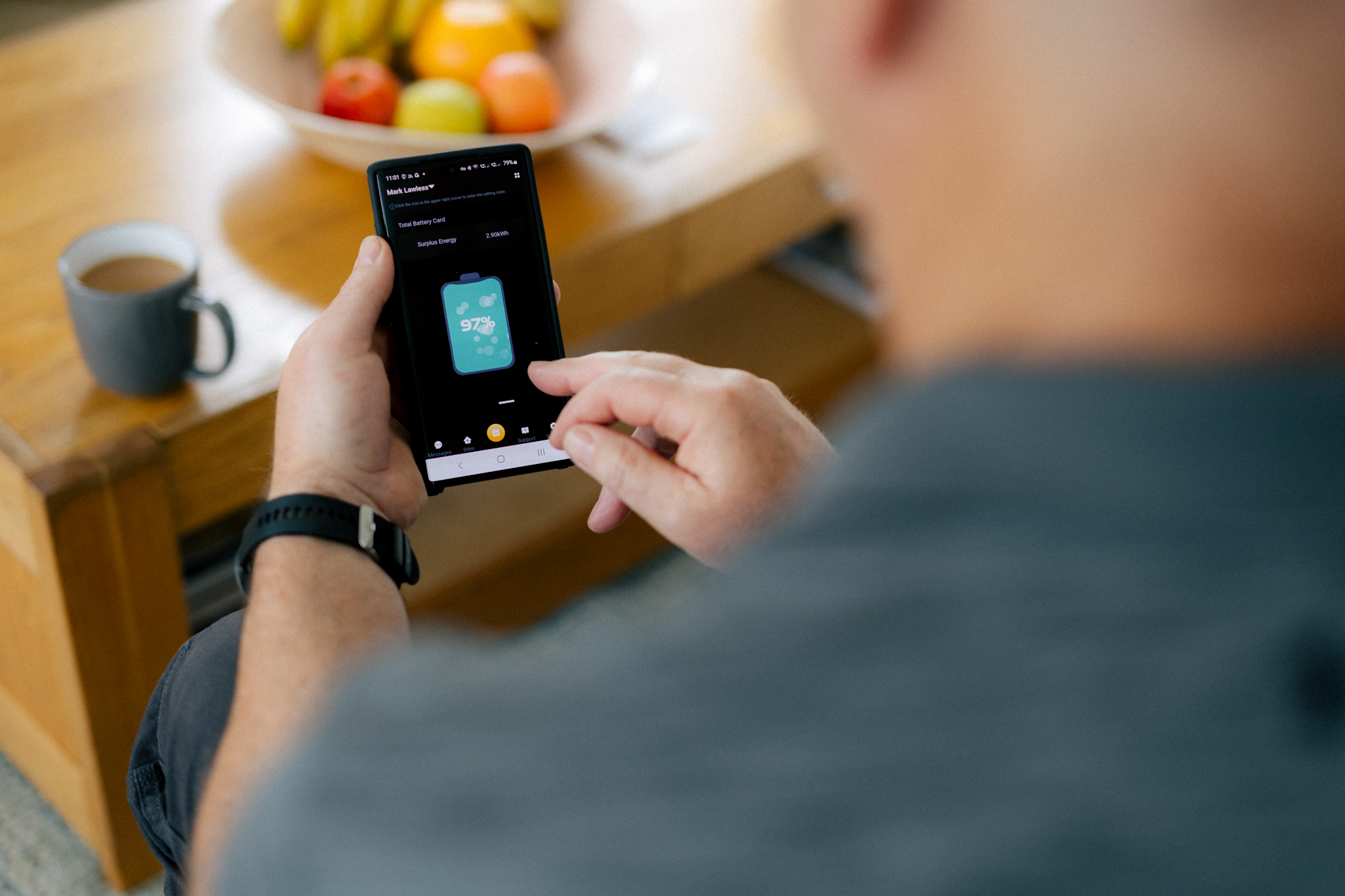
Battery storage is worth raising here too. A battery means the electricity your panels generate during the day doesn’t just go back to the grid while your house sits empty. It gets stored, and you use it in the evening. For many households, that shift alone changes the payback calculation significantly. Whether you add one now or plan for it later, you’re entitled to see the numbers before you commit.
If you have an electric vehicle or plan to get one, ask about integrating a solar EV charger into the system. It changes both the recommended system size and the long-term reduction in your energy bills.
Read the Reviews, But Read Them Properly
Volume and recency both matter. Eighty reviews collected over four years tell a different story from eighty collected over the last six months.
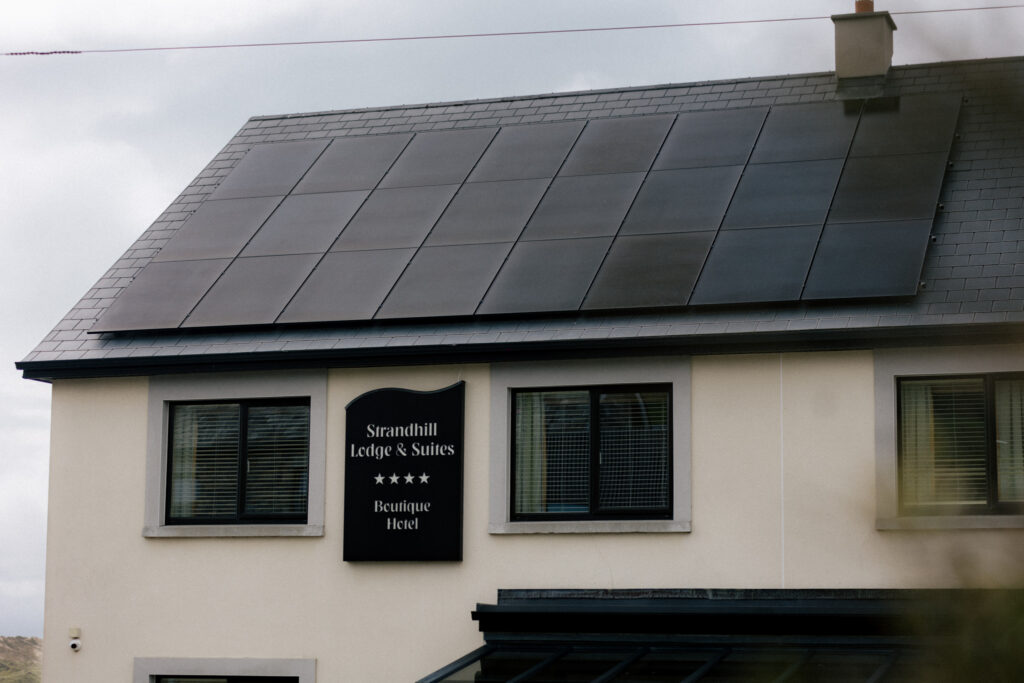
Look for reviews that mention what happened when something went wrong. Customers who are happy on installation day are the baseline expectation. How a company behaves when a homeowner has a fault a year later is what you actually need to know.
References are fair to ask for. A company confident in its work won’t hesitate.
After-Sales Support and System Monitoring Are Not Extras
A solar PV system is a 25-year asset. The installation takes a day or two. Everything after that is the actual product.
What happens when you notice a drop in output? Is monitoring equipment included, and what platform will you use to track it? Who do you contact if the inverter fails in year four? Is there any kind of annual performance check?
Some solar installers hand over a system and a warranty document and consider the job done. Others treat monitoring and support as central to what they provide. The difference isn’t visible on installation day. You’ll feel it the first time the system needs attention.
One Final Check: Will This Company Still Answer the Phone in Year Twelve?
The inverter on your solar PV system will likely need replacing somewhere between years 10 and 15. You want an installer who will still exist and still be reachable when that happens.
Companies with established premises, a stable local team, a track record across hundreds of installations, and a clear after-sales structure are considerably more likely to be there than newer entrants operating on thin margins.
This doesn’t mean newer solar companies are untrustworthy. It means the question is worth asking, and the answer is worth weighing carefully alongside everything else.
The right installer won’t be the one who gave you the smoothest pitch. It’ll be the one whose name you’d still give to a neighbour without hesitation five years from now.
If you’re at the point where a conversation with an installer makes sense, [find out what a solar PV system would actually look like for your home and get your numbers].