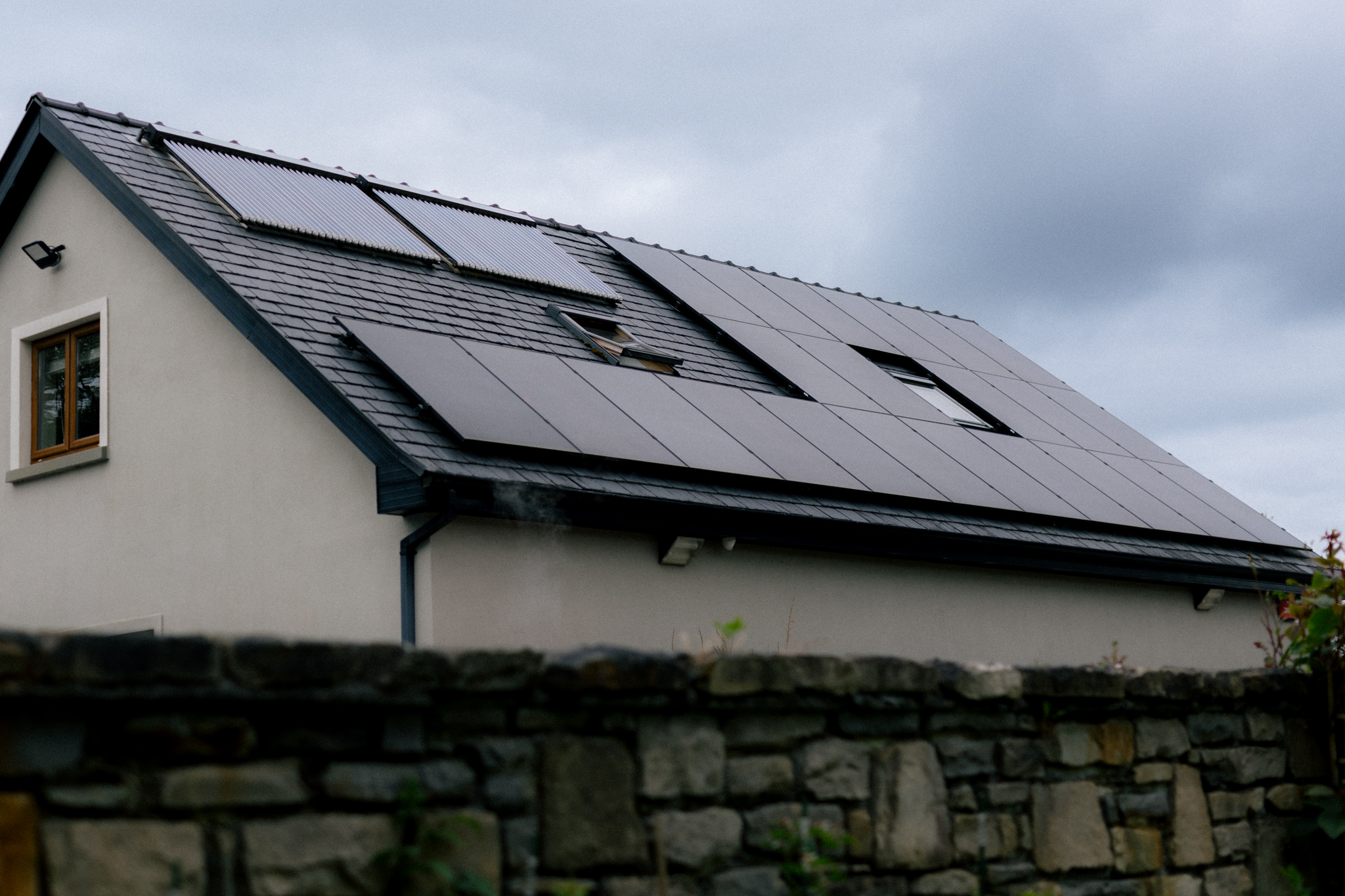
The SEAI solar grant for lower income households gives qualifying Irish families access to far more support than the standard residential grant. While most homeowners can claim up to €2,400 when combining solar panels and battery storage, households receiving certain welfare payments can access up to €9,000 in total grant aid. If your household receives one of the qualifying payments, this enhanced support could make solar installation effectively free or close to it.
This guide explains exactly who qualifies, how much is available, and how Solar Generation can help you in the north-west of Ireland.
What Is the Enhanced SEAI Solar Grant for Lower Income Households?
What Is the Enhanced SEAI Solar Grant for Lower Income Households?
The SEAI operates a higher tier of grant funding for households with lower incomes. This sits within the broader SEAI Solar Electricity Grant scheme but offers substantially greater support than the standard residential grants available to all homeowners.
The standard SEAI solar grant gives homeowners up to €1,800 for a solar PV system, plus a €600 battery storage grant from October 2026. The enhanced grant for lower income households goes significantly further, covering the cost of a full solar and battery system up to a maximum of €9,000.
Importantly, this is not a loan or a repayable scheme. The SEAI pays it directly to your nominated bank account once your installation is confirmed complete.
For an overview of all grant types currently available in Ireland, including commercial and agricultural grants, see our solar grants in Ireland 2026 guide.
Who Qualifies for the Enhanced Grant?
To qualify for the SEAI solar grant for lower income households, your household must currently receive at least one of the following welfare payments. Some payments carry additional qualifying conditions, which are set out in the table below.
| Qualifying Payment | Additional Conditions |
|---|---|
| Fuel Allowance | None |
| Working Family Payment | None |
| Jobseeker’s Allowance | In payment for over 6 months, with a child under 7 in the household |
| Disability Allowance | In payment for over 6 months, with a child under 7 in the household |
| Domiciliary Care Allowance | None |
| One-Parent Family Payment | None |
| Carer’s Allowance | Carer must be living with the person they care for |
| Rental Accommodation Scheme | Property must be under the scheme |
Your home must also be owner-occupied and built and occupied before 2025. It must be your primary residence. In addition, an SEAI-registered installer must carry out your installation. Solar Generation is registered with the SEAI and covers Co. Sligo, Mayo, Roscommon, Leitrim and Donegal.
If you are unsure whether your household qualifies, get in touch with SEAI and check your eligibility before any application is submitted.
How Much Can You Claim?
The enhanced grant covers a considerably larger proportion of the overall cost of your solar installation than the standard grant. The maximum available is €9,000, which in most cases covers a solar PV system and battery storage in full or near-full.
To put this in context, here is how the enhanced grant compares to the standard residential grant:
| Grant Type | Standard Homeowner | Lower Income Household |
|---|---|---|
| Solar PV, first 2 kWp | €1,400 | €6,700 (€3,350 per kWp) |
| Solar PV, 3rd and 4th kWp | Up to €400 more | €850 per kWp |
| Solar PV maximum | €1,800 | €8,400 |
| Battery storage (min 5 kWh) | €600 | €600 |
| Maximum combined grant | €2,400 | €9,000 |
The difference is substantial. For a household on a qualifying payment, solar and battery installation could cost little to nothing out of pocket, depending on the size of system recommended for your home.
Furthermore, a 0% VAT rate applies to solar panel and battery installation for all residential properties in Ireland. This further reduces the overall cost regardless of which grant tier you fall under.
Free Solar for Medically Vulnerable Households
A separate category exists for households where someone depends on electrically powered medical equipment. If a member of your household is on the Priority Services Register under the life support category, you may qualify for fully funded solar installation at no cost to you.
The SEAI Free Solar Electricity scheme for medically vulnerable people covers a solar PV system up to 4 kWp and a battery up to 5 kWh, with nothing to pay.
As a first step, it is worth checking whether you are already on the Priority Services Register with your network operator. Solar Generation can help you understand your options and confirm whether this scheme applies to your situation.
Why Solar Makes Such a Difference for Lower Income Households
Energy costs take up a proportionally larger share of income in lower income households. Solar panels and battery storage address this directly by reducing the amount of electricity you need to buy from the grid.
Solar panels generate electricity during daylight hours. However, most household electricity demand falls in the morning and evening, outside those peak generation hours. As a result, a battery makes a significant difference to how much of your solar energy you actually use yourself.
How Self-Consumption Works
Without a battery, a typical home self-consumes around 30 to 40% of the solar energy its panels generate. The remainder goes to the national grid, for which you receive a payment under the Clean Export Guarantee (typically 15 to 32 cent per kWh). Since this export rate is lower than what you pay to import electricity, exporting surplus energy is less financially efficient than using it yourself.
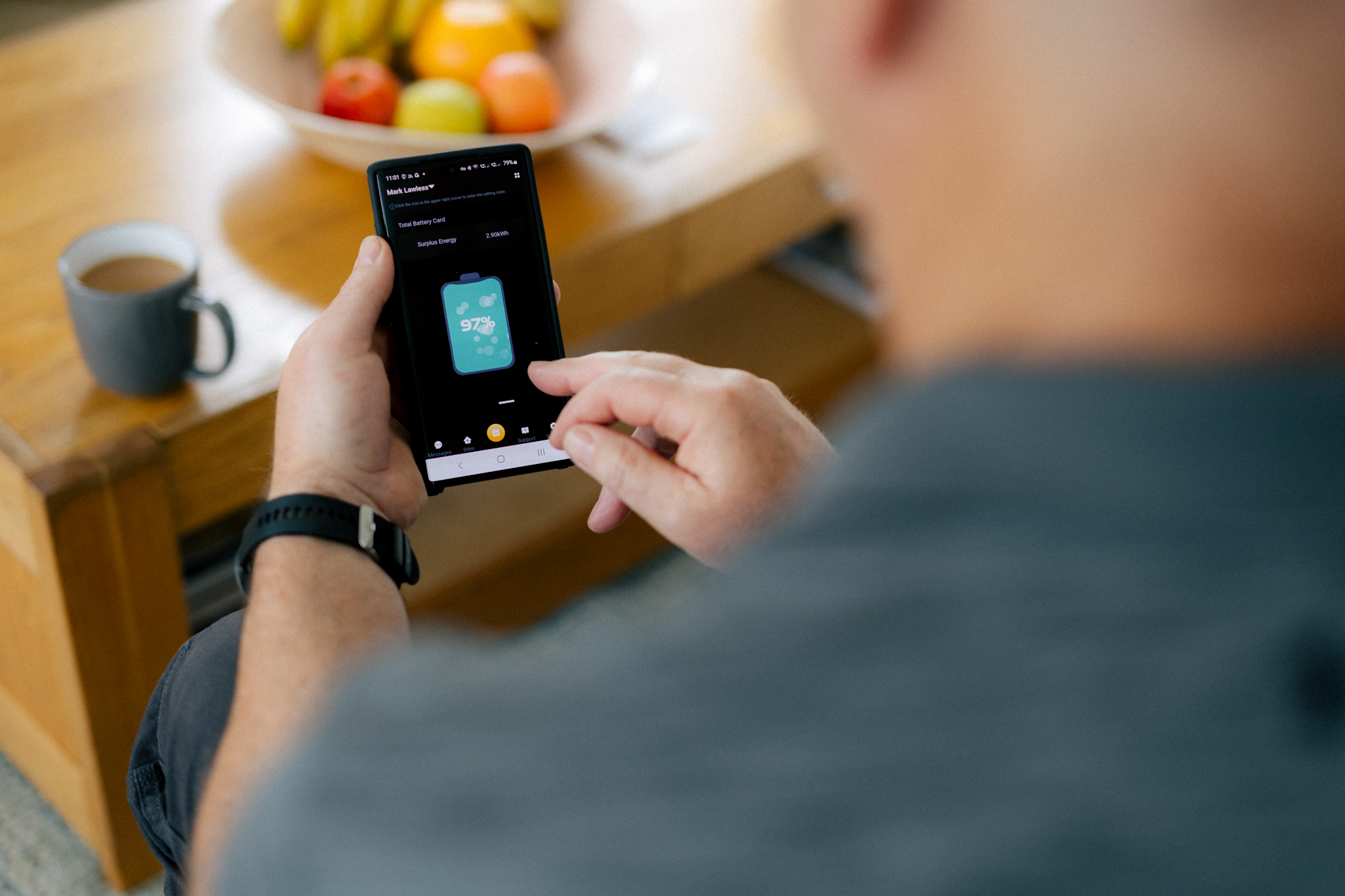
With a battery, by contrast, self-consumption rises to around 70 to 80%. Your home charges the battery during the day and draws from it after dark, replacing expensive imported electricity with solar you already generated. Over a full year, this shift significantly reduces your electricity bills.
For households on Fuel Allowance or similar payments, this kind of bill reduction can be particularly meaningful during winter months.
For a detailed look at how the battery grant works alongside the solar grant, see our solar battery grant Ireland guide.
What Solar Generation Installs
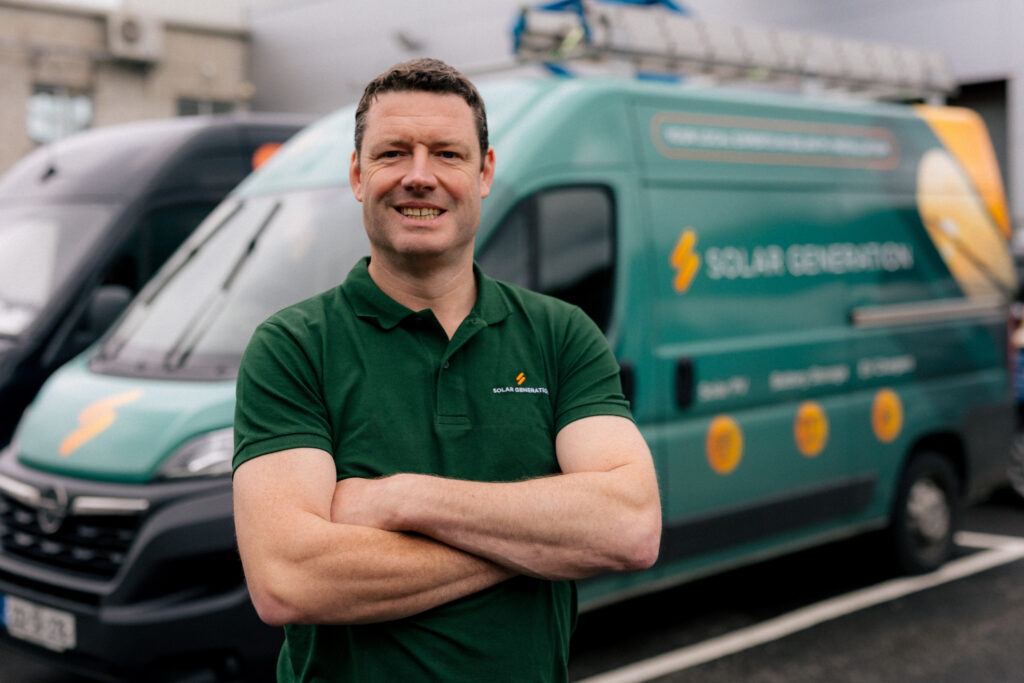
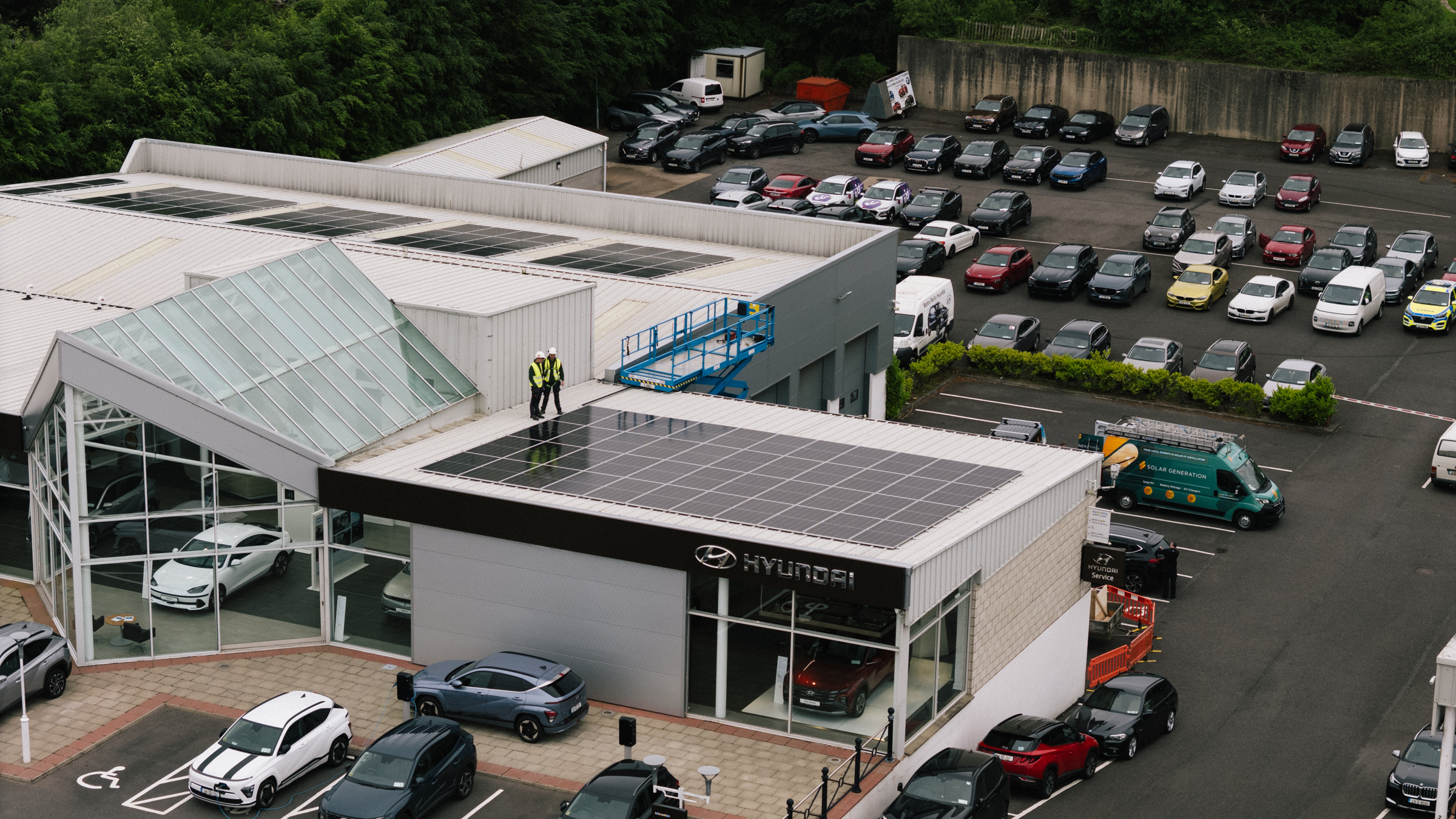
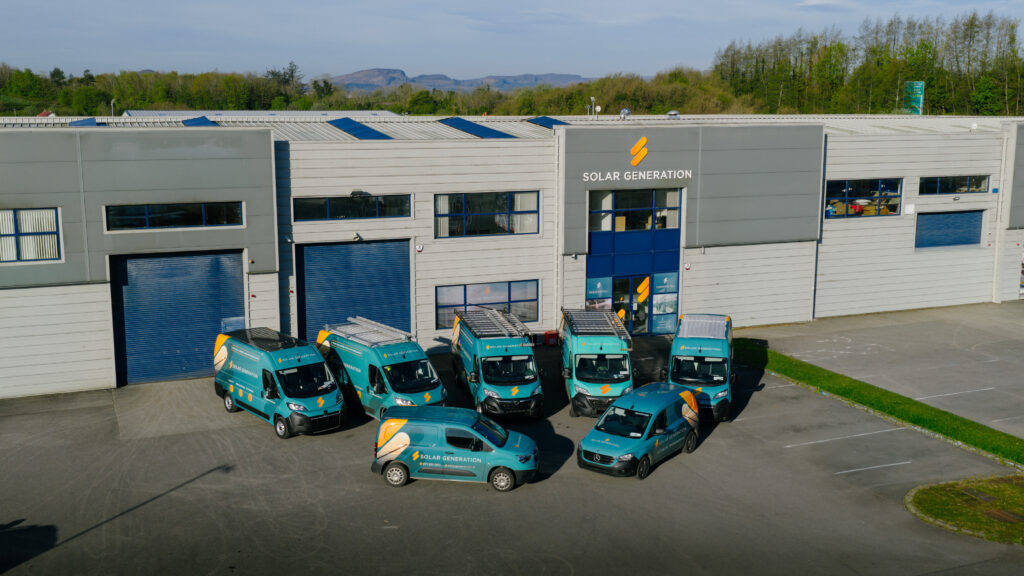
Solar Generation is based in Carraroe, Co. Sligo. We are an SEAI-registered installer covering the north-west of Ireland, including Co. Sligo, Mayo, Roscommon, Leitrim and Donegal.
Solar Panels
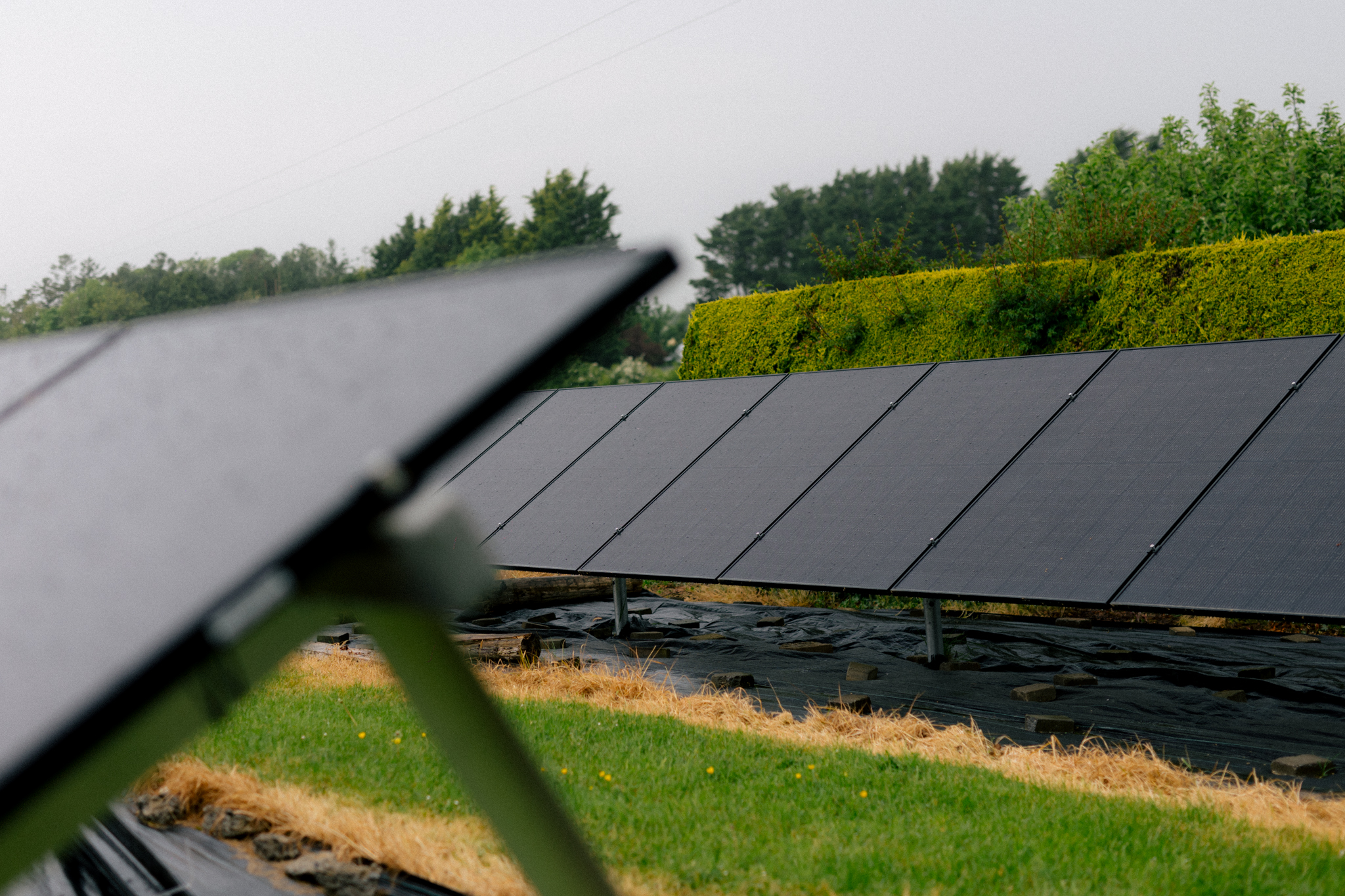
We install Luxor glass-glass panels on every residential project. These carry a 30-year product warranty and perform reliably across all Irish weather conditions, including Atlantic-facing and coastal sites throughout the north-west.
Battery Storage
We install SolaX batteries alongside every solar system. The SolaX Battery range uses LFP (lithium iron phosphate) chemistry, which offers a strong safety profile and long cycle life.
Every system we design reflects your household’s actual electricity usage rather than a generic package. Consequently, you get a system sized for your home and your needs, giving you the best possible return from the grant.
For a full overview of grants available to homeowners, see our solar panel grants in Ireland page.
How to Apply: Step by Step
The application process follows the standard SEAI route, and Solar Generation manages the majority of it on your behalf.
- Check your eligibility with SEAI.
- Receive a quote and system design. We carry out a site assessment and design a system appropriate for your home and energy usage.
- Submit your SEAI application.
- Wait for your Letter of Offer. SEAI issues a Letter of Offer confirming your grant approval. No work may begin until this letter arrives.
- Schedule the installation. Once your Letter of Offer arrives, you have eight months to have the solar system fitted.
- Complete the installation. Solar Generation carries out the full installation.
- BER assessment. Once works are complete, an SEAI-registered BER assessor carries out a post-works Building Energy Rating assessment. This is a condition of the enhanced grant.
You can verify any contractor’s registration using the SEAI Find a Contractor tool.
Frequently Asked Questions
Qualifying for the Grant
What payments qualify for the enhanced SEAI solar grant?
The qualifying payments are Fuel Allowance, Working Family Payment, Jobseeker’s Allowance (in payment over 6 months with a child under 7), Disability Allowance (in payment over 6 months with a child under 7), Domiciliary Care Allowance, One-Parent Family Payment, Carer’s Allowance (where the carer lives with the person they care for), and the Rental Accommodation Scheme.
Does my home need to meet any conditions?
Yes. Your home must be owner-occupied, built and occupied before 2025, and must be your primary residence. In addition, an SEAI-registered installer must carry out the installation.
Can I get the enhanced grant if I am a tenant?
The Rental Accommodation Scheme is one of the qualifying payments, so tenants in properties under that scheme may qualify. However, standard private rental tenancies are not covered. The standard SEAI grant applies to owner-occupiers only in most cases.
Grant Amounts and Costs
How much can a lower income household claim?
Up to €9,000 in total grant aid covering solar panels and battery storage. The enhanced solar panel grant runs at €3,350 per kWp for the first 2 kWp, then €850 per kWp up to 4 kWp, capped at €8,400 for panels. The battery grant adds a further €600. This is significantly higher than the standard residential maximum of €2,400.
Is there VAT on solar installation for lower income households?
No. A 0% VAT rate applies to solar panel and battery installation for all residential properties in Ireland. This applies regardless of which grant you receive, so every homeowner benefits.
What size solar system would I receive under the enhanced grant?
The system size depends on your home’s roof space, orientation, and electricity usage. Solar Generation designs each system individually. In most cases, qualifying households can accommodate a full solar and battery installation at little or no cost.
The Application Process
Do I need to apply before the installation begins?
Yes, without exception. SEAI must issue a Letter of Offer before any works begin. Installing first and applying afterwards will disqualify your claim entirely. Solar Generation manages this process and will not proceed with installation until your approval is confirmed.
Is a BER assessment required?
Yes. A post-works Building Energy Rating assessment by an SEAI-registered assessor is a condition of the enhanced grant. Solar Generation can advise you on arranging this as part of the overall process.
How long does the process take?
In general, the process from application to grant payment runs between two and four months, though this varies depending on SEAI processing times and installer availability. We can give you a clearer timeline once your application has been submitted.
What if someone in my household is medically vulnerable?
If a household member is on the Priority Services Register under the life support category, you may qualify for a fully funded installation at no cost through the SEAI Free Solar Electricity scheme. Contact Solar Generation and we will help you understand whether this applies to your situation.
Get a Quote from Solar Generation
If your household receives one of the qualifying welfare payments and you are eligible for the enhanced SEAI solar grant, Solar Generation can help with your installation.
You will not pay the grant portion of your installation cost, and we confirm that upfront so there are no surprises.
Contact Solar Generation to arrange a free, no-obligation site assessment. We cover Co. Sligo, Mayo, Roscommon, Leitrim and Donegal.