The upfront cost of solar panels puts a lot of Irish homeowners off. But here’s the thing. Solar panel grants in Ireland can knock thousands off your installation cost before you spend a penny.
In this guide, you’ll learn every grant available in 2026, exactly how much you can claim, who qualifies, and how to apply. We’ll cover SEAI residential grants, the Better Energy Communities scheme, VAT relief, and what’s available for businesses in the North-West and beyond.
Solar Panel Grants in Ireland: The SEAI Residential Scheme
The SEAI Solar PV grant is the main grant available to homeowners in Ireland. SEAI stands for Sustainable Energy Authority of Ireland. They administer the scheme and publish current grant rates on their website.
In 2026, the SEAI grant for solar PV covers €700 per kWp for the first 2 kWp, then €200 per kWp for the 3rd and 4th kWp. The maximum grant for a solar PV system is €1,800, which applies to a 4 kWp system.
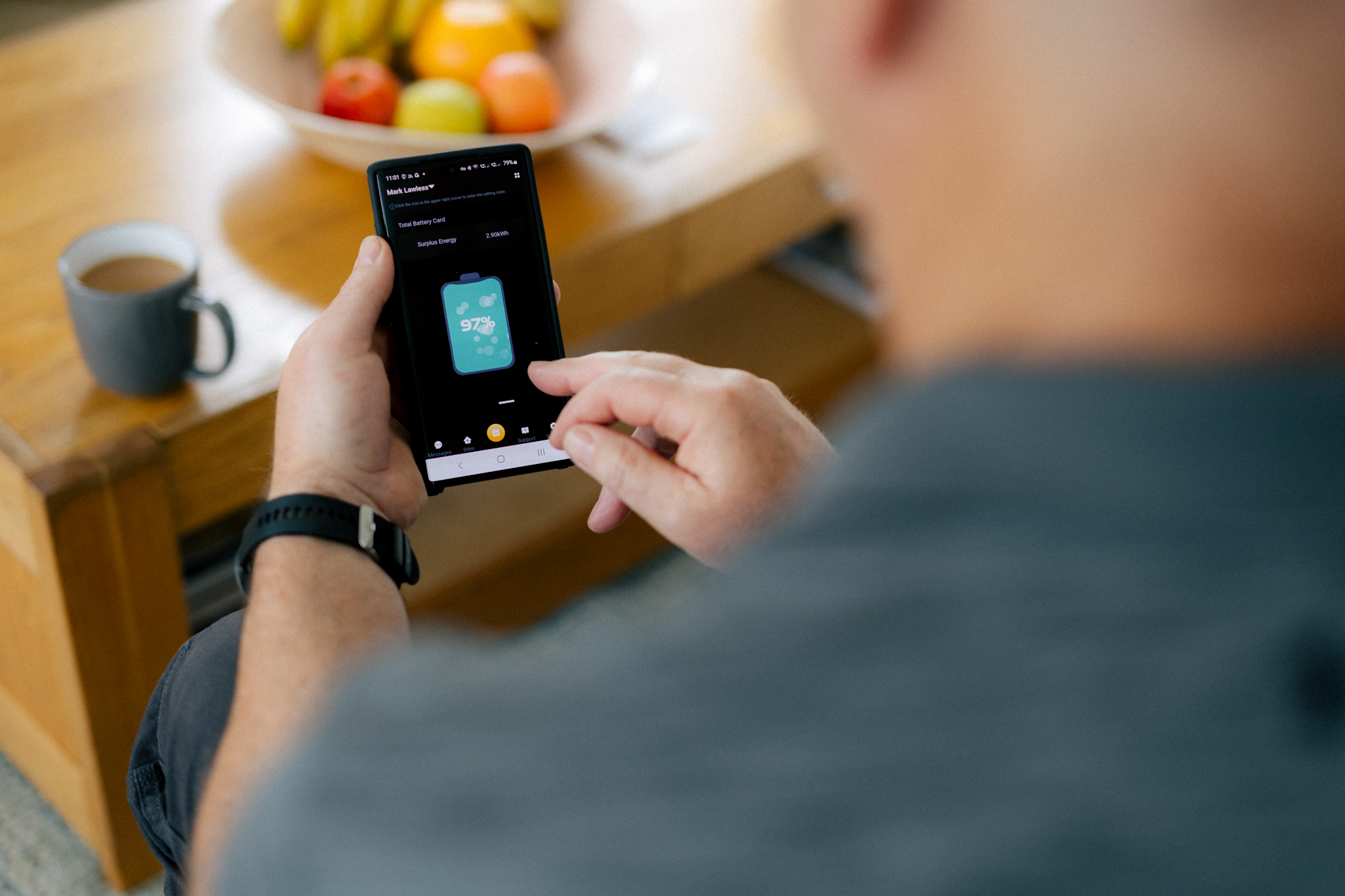
From 6 October 2026, a separate €600 battery storage grant is also available for home battery systems with a minimum capacity of 5 kWh. If you are combining solar panels and battery storage in one installation, you can apply for both grants together, bringing your total SEAI support to €2,400.
Who Qualifies for the SEAI Solar Grant?
You need to meet a handful of conditions to qualify. The property must be your primary residence. It must have been built and occupied before 2025. You must use an SEAI-registered installer to carry out the work.
The grant covers most house types in Ireland. Detached houses in Sligo, semi-detached homes in Mayo, terraced houses in Donegal, and apartments where the owner controls the roof space all qualify. You can only claim the grant once per property. If you have received an SEAI solar grant previously, you are not eligible to claim again for the same address.
How Much Does the SEAI Grant Actually Save You?
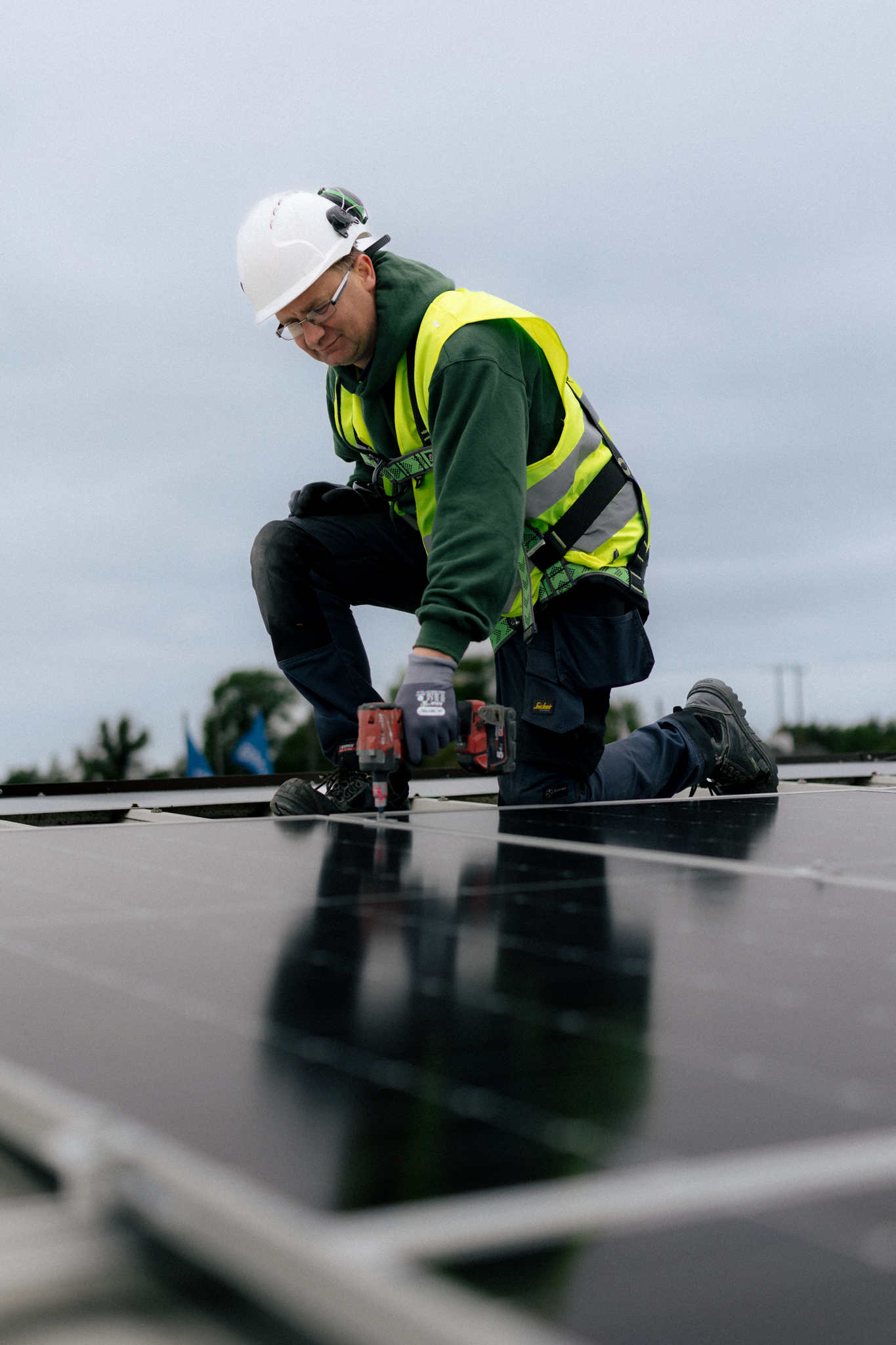
A standard 4 kWp system in the north-west of Ireland costs between €8,000 and €12,000 fully installed in 2026. The SEAI solar grant takes €1,800 off that immediately.
Add the €600 battery storage grant, and you are looking at €2,400 off your total bill. That brings a €10,000 system down to €7,600 before you factor in energy savings and any electricity export earnings.
Over a 30-year panel lifespan, a well-installed 4 kWp system in Sligo or Mayo generates substantial savings on electricity bills. Most homeowners recover the net cost within 6 to 9 years depending on usage and energy prices.
0% VAT on Solar Panels in Ireland
On top of the SEAI grant, solar panel installations in Ireland qualify for 0% VAT. This was introduced as part of the government’s cost-of-living package and remained in place into 2026.
Before the VAT reduction, solar installations were subject to 13.5% VAT. On a €10,000 system, that was €1,350 you no longer have to pay. Combined with the SEAI grant, the combined saving on a 4 kWp system with battery storage is now approximately €4,350 compared to 2021 prices.
This applies to the supply and installation of solar panels on residential properties. Your installer applies the 0% rate automatically. You don’t need to do anything extra to claim it.
The Better Energy Homes Scheme: Can You Combine It With Solar?
The Better Energy Homes scheme covers a range of home energy upgrades, including insulation, heat pumps, and heating controls. You cannot combine it directly with the solar PV grant for the same measure, but you can use both schemes for different upgrades in the same property.
So if you’re insulating your attic and walls under Better Energy Homes while also installing solar under the Solar PV scheme, both grants apply. That’s a realistic scenario for many older homes in rural Connacht and Ulster, where properties often need multiple upgrades.
The key rule is simple. Each measure has its own grant. You just can’t claim two different grants for the exact same installation.
SEAI Better Energy Communities Scheme
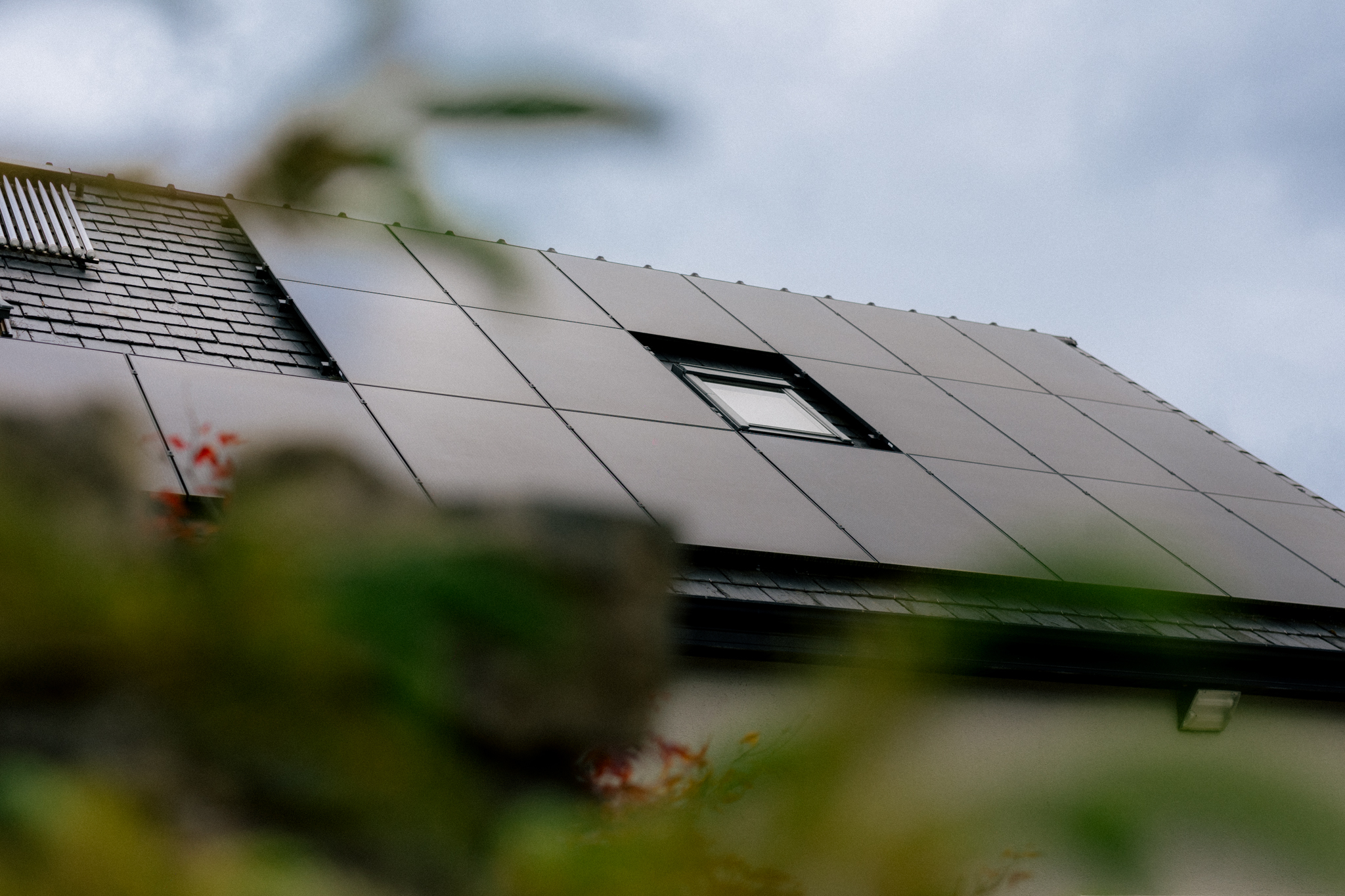
The Better Energy Communities scheme is aimed at larger projects involving multiple properties or a community group. It’s less commonly used by individual homeowners but very relevant for estates, sports clubs, schools, and community facilities.
Funding under this scheme covers up to 50% of eligible project costs. For a community hall in Leitrim or a housing estate in Roscommon putting solar on communal buildings, this can represent very significant savings.
Applications are competitive and assessed by SEAI. The scheme opens for applications annually, so timing matters. If you’re involved in a community or estate management committee, it’s worth looking into before the next application window opens.
Commercial Solar Grants in Ireland
Businesses in Ireland have access to a separate set of supports for solar PV. The SEAI Support Scheme for Renewable Heat (SSRH) and the Support Scheme for Renewable Electricity Generation both provide pathways for commercial installations.
Under the Accelerated Capital Allowance scheme, Irish businesses can write off 100% of the cost of solar panel installations against taxable profits in the year of purchase. This is a significant tax incentive for businesses in sectors like hospitality, retail, and food production.
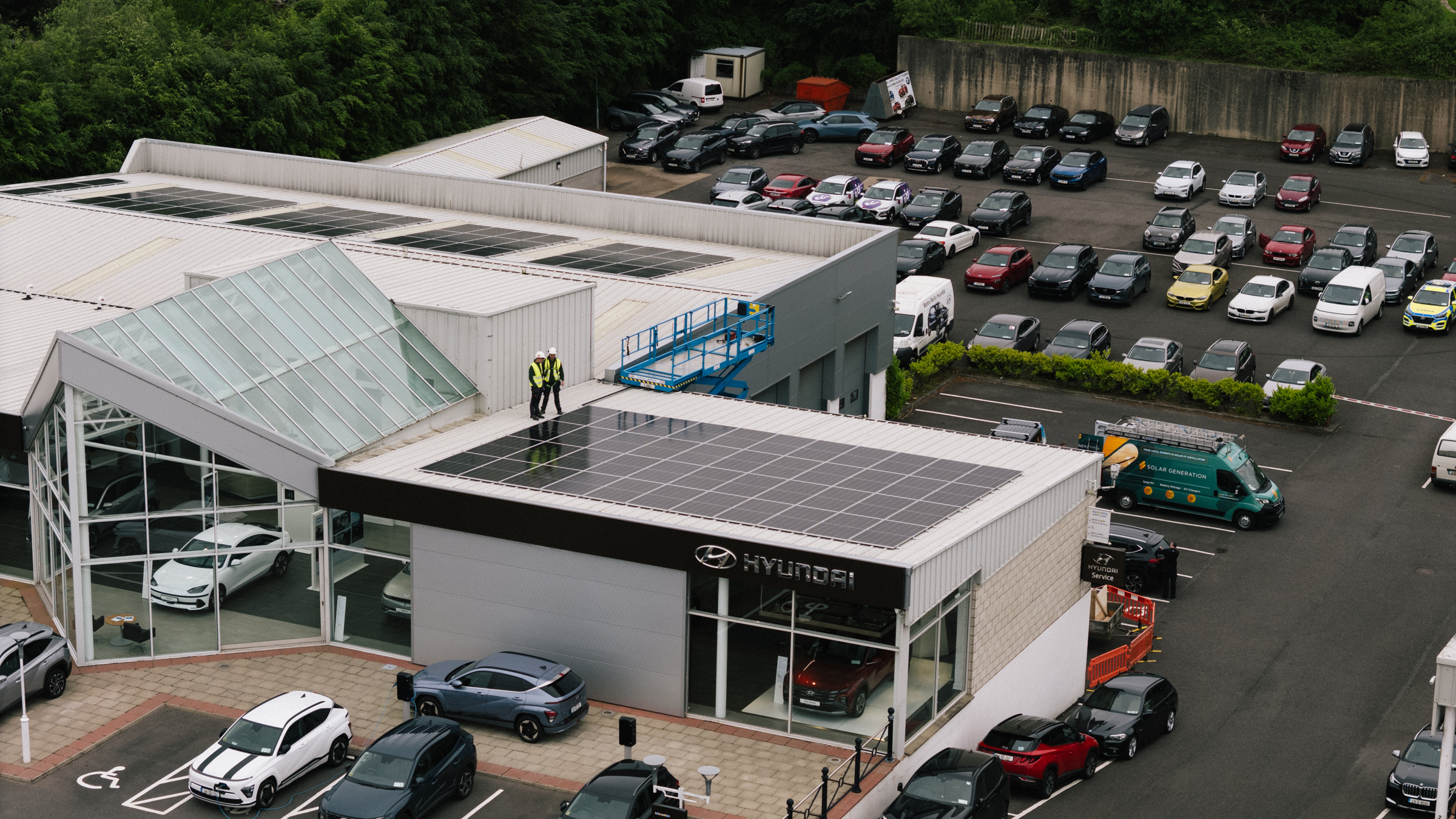
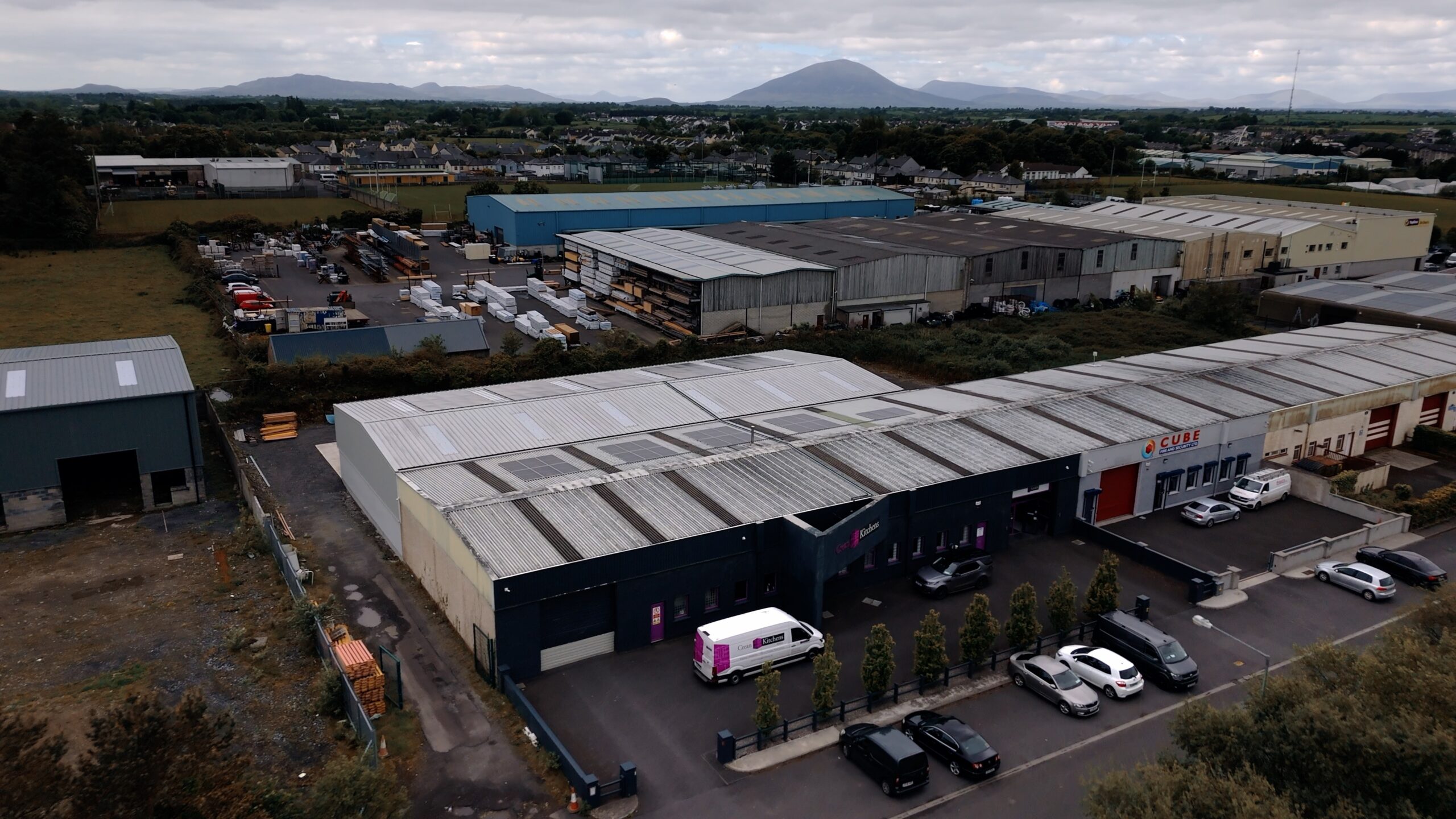
Solar Generation’s commercial clients in the North-West include Sligo City Council, Strandhill Suites, and TotalHealth Pharmacy. These are real-world examples of businesses that have reduced energy costs and improved their sustainability credentials through commercial solar installations.
Grants Available for Home Improvements Alongside Solar
If you’re planning a broader home energy upgrade, several other grant schemes run alongside the solar grant in 2026.
| Grant Scheme | What It Covers | Maximum Grant |
|---|---|---|
| SEAI Solar PV Grant | Solar panels up to kWp | €2,400 |
| SEAI Battery Storage Grant | Battery storage with solar | €600 |
| Heat Pump Grant | Air to water or ground source | €3,500 to €6,500 |
| Attic Insulation Grant | Roof/attic insulation | €1,500 |
| Wall Insulation Grant | Cavity or external wall | €700 to €8,000 |
| Heating Controls Grant | Smart heating controls | €700 |
| Home Energy Upgrade Loan | Low-interest loan for upgrades | Up to €75,000 |
The Home Energy Upgrade Loan, introduced in 2024, offers loans at rates as low as 3% for energy upgrades. It’s designed to bridge the gap between what grants cover and what the full project costs.
How to Apply for Solar Panel Grants in Ireland
The process is straightforward if you follow the steps in order. Doing things out of sequence is one of the most common reasons grant applications get rejected.
Step 1. Check eligibility on seai.ie before you do anything else. Confirm your property type, build year, and ownership status all qualify.
Step 2. Choose an SEAI-registered solar installer. This is not optional. Using a non-registered installer means you forfeit the grant entirely. Solar Generation are SEAI-registered and cover Sligo, Mayo, Leitrim, Donegal, Roscommon, and North Galway.
Step 3. Get a quote and agree to a contract. Do not start any work before your grant application is approved. Starting early disqualifies the application.
Step 4. Submit your application on the SEAI online portal. Your installer can usually assist with this step.
Step 5. Once SEAI approves the application, your installer carries out the work.
Step 6. After installation, your installer submits completion documentation to SEAI. The grant is then paid directly to you or offset against your final invoice depending on how your installer manages it.
Processing times vary. Most applications are approved within 4 to 8 weeks, and full completion sign-off typically follows within 2 weeks of submission.
How Much Can You Save in Total in 2026?
Let’s total it up for a typical homeowner in the Northwest getting a 4 kWp solar system with battery storage.
| Saving | Amount |
|---|---|
| SEAI Solar PV Grant | €1,800 |
| SEAI Battery Storage Grant | €600 |
| 0% VAT saving (vs 13.5%) | ~€1,350 |
| Total upfront saving | ~€3,750 |
On a €10,000 system, you’re effectively paying around €5,650 out of pocket before energy savings kick in. Add 25 years of reduced electricity bills and export income from the microgeneration scheme, and the financial case for solar in Ireland in 2026 is stronger than it has ever been.