A lot of Irish homeowners are curious about solar but not sure if now is the right time. Maybe you’ve looked at the numbers once and put it off. Maybe you’re waiting until you’re more certain it makes sense for your home.
The truth is, there are some very clear signals that tell you the time is right. This post lays out 5 signs you’re ready for solar based on real Irish homeowner situations, honest figures, and the kinds of questions that come up most often before people make the switch.
Sign 1: Your Electricity Bills Are Consistently High
If you’re regularly paying €150 or more per month on electricity, solar will make a meaningful difference to your costs. That figure puts you well above the threshold where a solar PV system starts delivering a strong return.
The average Irish household uses around 4,200 kWh of electricity per year. At current rates of roughly €0.30 to €0.35 per kWh, that’s between €1,260 and €1,470 annually just in electricity costs. A well-sized solar system typically covers 50% to 70% of a household’s annual usage depending on the system size and how the home uses power during the day.
A 4kWp system in Sligo or Mayo generates around 3,200 to 3,600 kWh per year. A home in Wicklow or Cork with more sunlight hours can push closer to 3,800 to 4,200 kWh. The more electricity you currently buy from the grid, the faster solar pays for itself.
If you’re in a larger home, running a heat pump, charging an EV, or working from home full-time, your bills are likely higher than average. All of those situations strengthen the case for solar rather than weaken it.
Sign 2: You Own Your Home and Plan to Stay
Solar panels are a long-term asset. They’re fixed to the roof, they add value to the property, and the payback period in Ireland runs between 7 and 10 years for most residential systems. If you’re planning to move within the next two or three years, the calculation is less straightforward.
If you own your home and intend to stay for the medium to long term, the maths work clearly in your favour. After payback, you’re generating electricity at essentially zero cost for another 15 to 20 years.
It’s also worth knowing that solar panels add value at the point of sale. An upgraded BER rating (which solar typically improves) is increasingly important to Irish buyers. A home with a solar PV system and battery storage is a more attractive proposition than one without, particularly as energy costs stay elevated.
Sign 3: You Have a Suitable Roof
You don’t need a perfect south-facing roof at the ideal pitch to make solar work in Ireland. But you do need a roof that meets some basic criteria.
Here’s what works well:
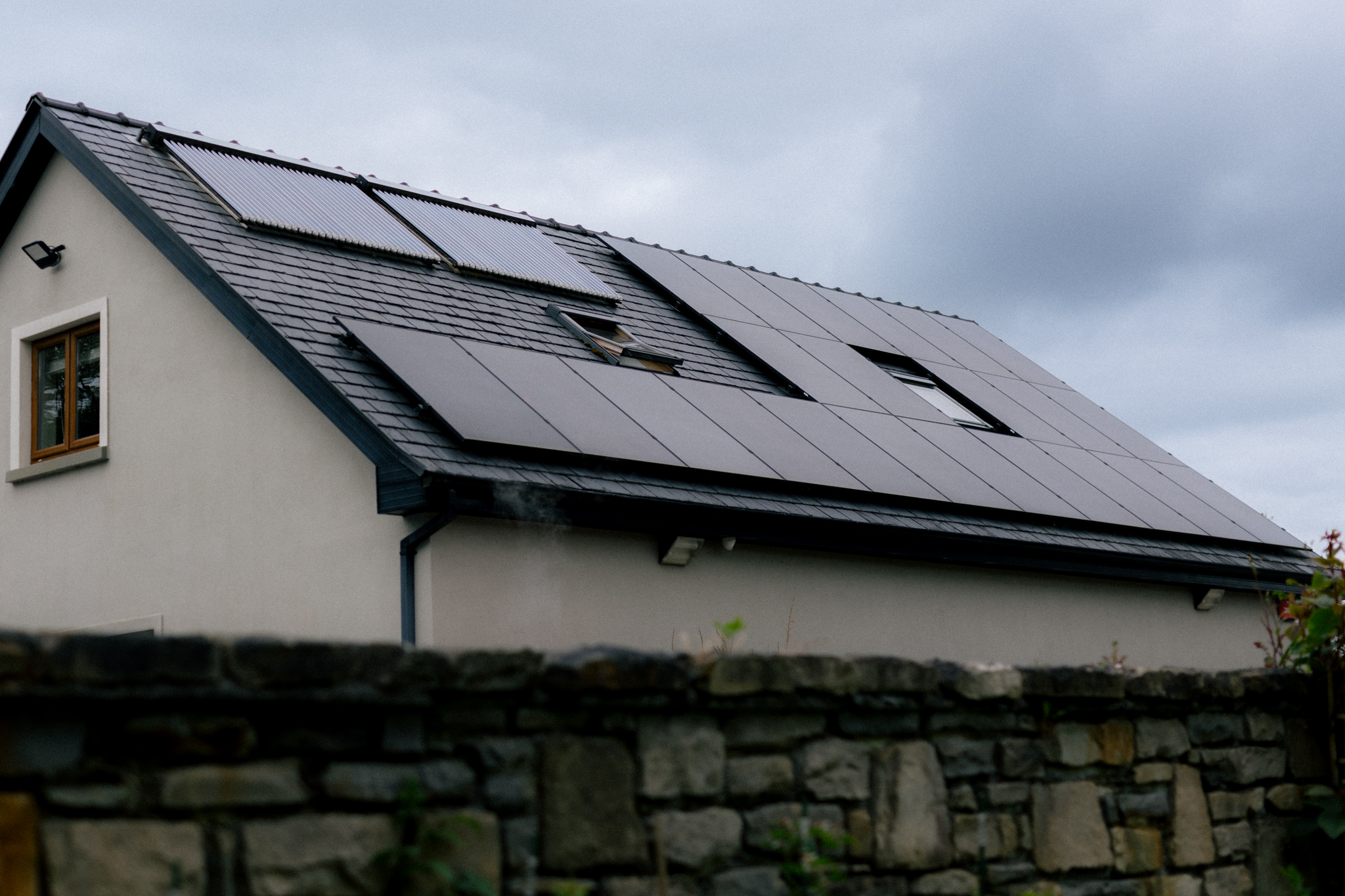
- Orientation: South-facing is best, but south-east and south-west roofs produce around 90% to 95% of what a true south roof generates. East or west-facing roofs still produce usable generation, particularly if your daytime usage is spread across the morning and afternoon.
- Pitch: 30 to 40 degrees is the sweet spot for Irish conditions. Shallower or steeper roofs still work and can be compensated for in system design.
- Shading: Significant shading from chimneys, trees, or neighbouring buildings will reduce output. A site assessment identifies this before installation, not after.
- Roof condition: Panels last 25 to 30 years. If your roof needs work in the next few years, it’s worth doing that before installation rather than after.
If you’re unsure whether your roof qualifies, the straightforward answer is to get a free solar assessment and let a professional tell you directly. Solar Generation carries out site assessments across Ireland and will give you an honest answer rather than a sales pitch.
Sign 4: You Want to Reduce Your Dependence on the Grid
Electricity prices in Ireland have increased significantly over the past five years. The unit rate that was around €0.18 per kWh in 2019 is now between €0.30 and €0.35 in most tariffs. That’s a near-doubling in the cost of grid electricity in just a few years.
If that trajectory concerns you, solar gives you a way to produce your own electricity and reduce how much you buy from the grid. A solar PV system combined with battery storage takes that further by storing surplus daytime generation for use in the evening, when grid demand and prices are highest.
The Clean Export Guarantee (CEG) also means you get paid for electricity you don’t use yourself. Irish energy suppliers pay between €0.18 and €0.24 per kWh for exported solar electricity, depending on the tariff. You generate your own power, use what you need, get paid for the rest, and buy less from the grid overall.
That combination makes solar a genuine hedge against future electricity price increases, not just a saving on today’s bills.
Sign 5: You’re in a Position to Take Advantage of the SEAI Grant
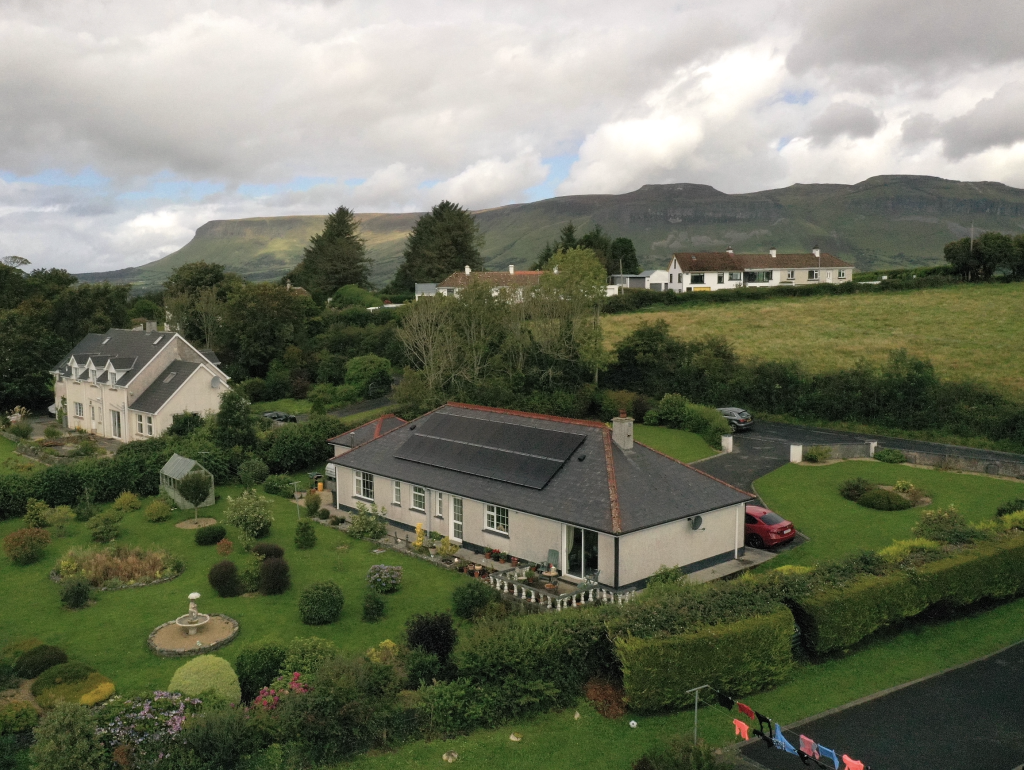
The SEAI Solar PV grant is currently worth up to €2,400 for a residential system. It’s available to homeowners whose properties were built and occupied before 2021. The grant is applied directly to the installation cost, which reduces the upfront investment and improves the payback period.
The grant has changed several times in recent years and could change again. Claiming it while it’s at its current level makes financial sense. A system that costs €8,000 before grant becomes €5,600 after. That difference is significant in terms of how quickly the system pays for itself.
Here’s how the numbers look with and without the current grant:
| System Size | Typical Cost (Before Grant) | After SEAI Grant | Estimated Annual Saving | Approx. Payback |
|---|---|---|---|---|
| 3kWp | €6,500 | €4,100 | €700-€900 | 5-6 years |
| 4kWp | €8,000 | €5,600 | €900-€1,100 | 6-7 years |
| 6kWp | €10,500 | €8,100 | €1,200-€1,500 | 6-7 years |
Figures are indicative and vary by location, roof orientation, and household usage. Solar Generation handles the SEAI grant application as part of the installation process. You don’t have to manage the paperwork yourself.
What If You Tick Most of These But Not All?
Very few homeowners tick every box perfectly before going ahead. That’s normal. The signs above are indicators, not a pass/fail checklist.
If your roof is slightly less than ideal, there are technical solutions. If you’re renting out the property or have a shorter-term plan, the value calculation shifts but doesn’t necessarily disappear. If you’ve been putting it off because you’re not sure about Irish weather and solar viability, that concern is worth addressing directly.
Ireland gets enough solar radiation to make PV systems viable nationwide. The south and south-east get more, but Connacht and Ulster generate meaningful electricity too. A 4kWp system in Donegal still generates around 3,000 to 3,200 kWh per year. That’s enough to make a real difference to your bills.
The single most useful thing you can do if you’re unsure is get a site-specific assessment. Generic information only gets you so far. What your roof faces, what your household uses, and what grant you qualify for are all specific to you.
A Note on EV Chargers and Solar
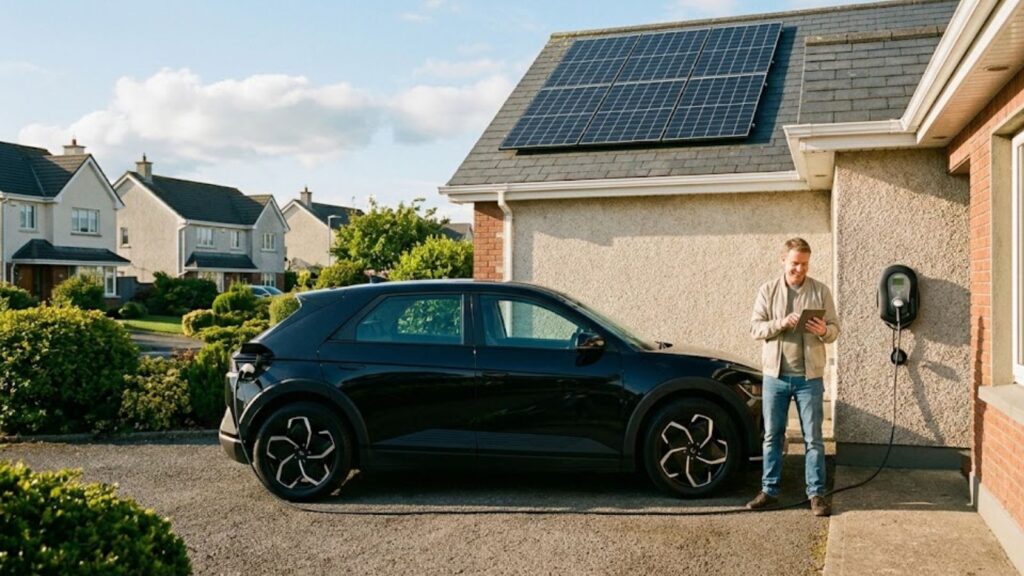
If you drive an electric vehicle or are considering one, solar becomes considerably more attractive. An EV charger at home means you can use surplus solar generation to charge your car during the day instead of buying electricity from the grid.
The average Irish EV driver covers around 15,000 km per year. At typical EV efficiency, that requires roughly 2,500 to 3,000 kWh annually. A solar system sized to cover both household use and EV charging can offset a significant portion of what would otherwise be paid to the grid.
Solar Generation installs EV chargers alongside solar systems and can design a combined solution that accounts for both household consumption and vehicle charging in the overall system sizing.
Frequently Asked Questions
Is solar worth it in Ireland if I’m in the north-west?
Yes. Sligo, Mayo, Donegal, Leitrim, and Roscommon all generate enough solar radiation to make a PV system financially worthwhile. A 4kWp system in those counties generates around 3,000 to 3,600 kWh per year depending on roof orientation. Combined with the SEAI grant, payback periods of 7 to 9 years are realistic in the north-west.
How much does a solar system cost in Ireland in 2024?
A typical residential solar PV system in Ireland costs between €6,000 and €12,000 before the SEAI grant, depending on system size. After the current grant of up to €2,400, most homeowners pay between €4,000 and €10,000. Adding battery storage adds €3,000 to €5,000 to the cost but significantly improves the return.
Do I need planning permission for solar panels in Ireland?
In most cases, no. Residential solar panels in Ireland are exempt from planning permission under certain conditions: the panels must not extend more than 15cm beyond the roof surface, must not exceed 50% of the total roof area, and must not be installed on protected structures. Your installer should confirm exemption status for your specific property before installation.
How long does installation take?
Most residential solar installations take one to two days once the equipment arrives on site. The full process from initial assessment to completed installation typically runs six to ten weeks, with the majority of that time covering system design, equipment lead times, and grant processing.
What happens on cloudy days?
Solar panels generate electricity from daylight, not direct sunshine. They still produce on overcast days, just at a reduced level. Depending on cloud density, output on a cloudy day in Ireland can range from 10% to 60% of peak clear-sky output. Annual generation figures for Ireland already account for the typical cloud cover in different regions.
What to Do Next
If you recognise yourself in most of these signs, you’re ready for solar. The 5 signs above cover the main practical criteria: high electricity costs, home ownership, a suitable roof, a desire to reduce grid dependence, and the ability to use the current SEAI grant.
Solar Generation has installed over 2,500 systems across Ireland and is SEAI-registered. A free solar assessment gives you a site-specific answer with no obligation to proceed just an honest picture of what solar would actually do for your home.