Most people ask about cost before they ask about lifespan. That’s understandable. But the lifespan question matters just as much, because a solar system that lasts 30 years pays back very differently to one that degrades badly after 15.
So how long do solar panels last in Ireland, and what actually affects that? This post covers everything you need to know: realistic lifespan figures, degradation rates, what your warranties actually cover, and the signs that tell you your panels need attention.
How Long Do Solar Panels Last? The Real Answer
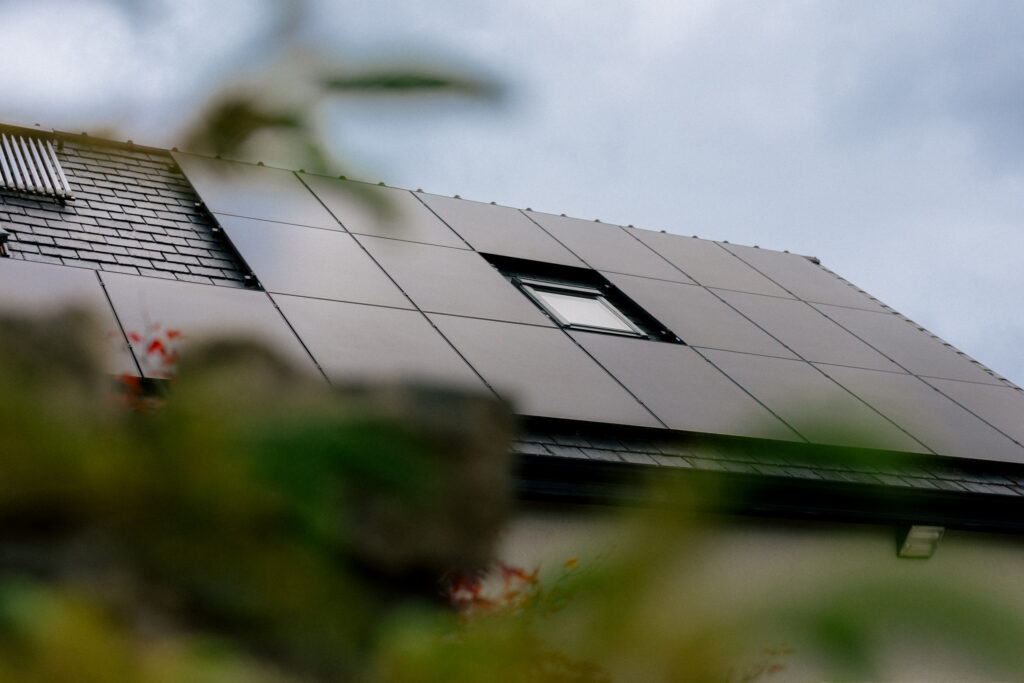
The industry standard answer is 25 to 30 years. Most quality solar panels sold in Ireland today carry a 25-year performance warranty, and many systems installed in the late 1990s and early 2000s are still generating electricity right now.
That doesn’t mean the panels stop working at 25 years. It means performance degrades to a point where the manufacturer no longer guarantees a specific output level. Most panels continue generating well beyond that point, just at a reduced rate.
In practical terms, an Irish homeowner installing a solar system today can reasonably expect 30 or more years of useful generation from quality panels with proper installation. The key word there is quality.
What Is Solar Panel Degradation and Why Does It Matter?
Every solar panel loses a small amount of efficiency each year. This is normal and unavoidable. The rate at which it happens is called the degradation rate, and it varies between panel types and manufacturers.
A typical quality panel degrades at around 0.5% per year. Some premium panels from manufacturers like LG, SunPower, and REC are rated at 0.25% to 0.3% per year. Cheaper panels can degrade at 1% or more annually.
Here’s why it matters in practical terms. A panel with a 0.5% annual degradation rate retains about 87% of its original output after 25 years. A panel degrading at 1% per year retains only 78% of its output over the same period. Multiply that across a full system and the difference is significant.
| Degradation Rate | Output After 10 Years | Output After 25 Years |
|---|---|---|
| 0.25% per year | 97.5% | 93.9% |
| 0.5% per year | 95.1% | 88.3% |
| 0.8% per year | 92.3% | 82.6% |
| 1.0% per year | 90.4% | 77.8% |
The degradation rate is one of the most important numbers to check when comparing panels. Manufacturers who publish lower figures have more confidence in their product. Always ask for the datasheet.
Does Irish Weather Affect Solar Panel Lifespan?
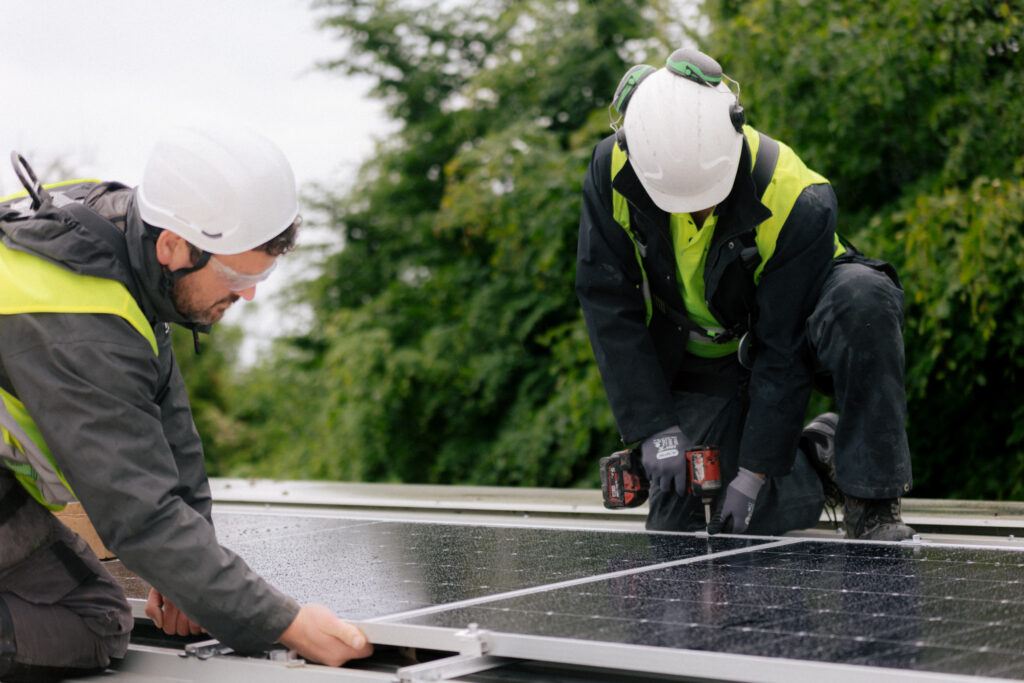
This question comes up a lot, particularly in the north-west where Sligo, Mayo, and Donegal homeowners worry that Atlantic weather might cause problems. The honest answer is that Irish weather is generally good for solar panel longevity.
Here’s something that surprises most people. Heat is harder on solar panels than cold. Panels actually perform better on cool, bright days than on very hot ones. Ireland’s relatively mild temperatures are an advantage in terms of long-term panel health, not a disadvantage.
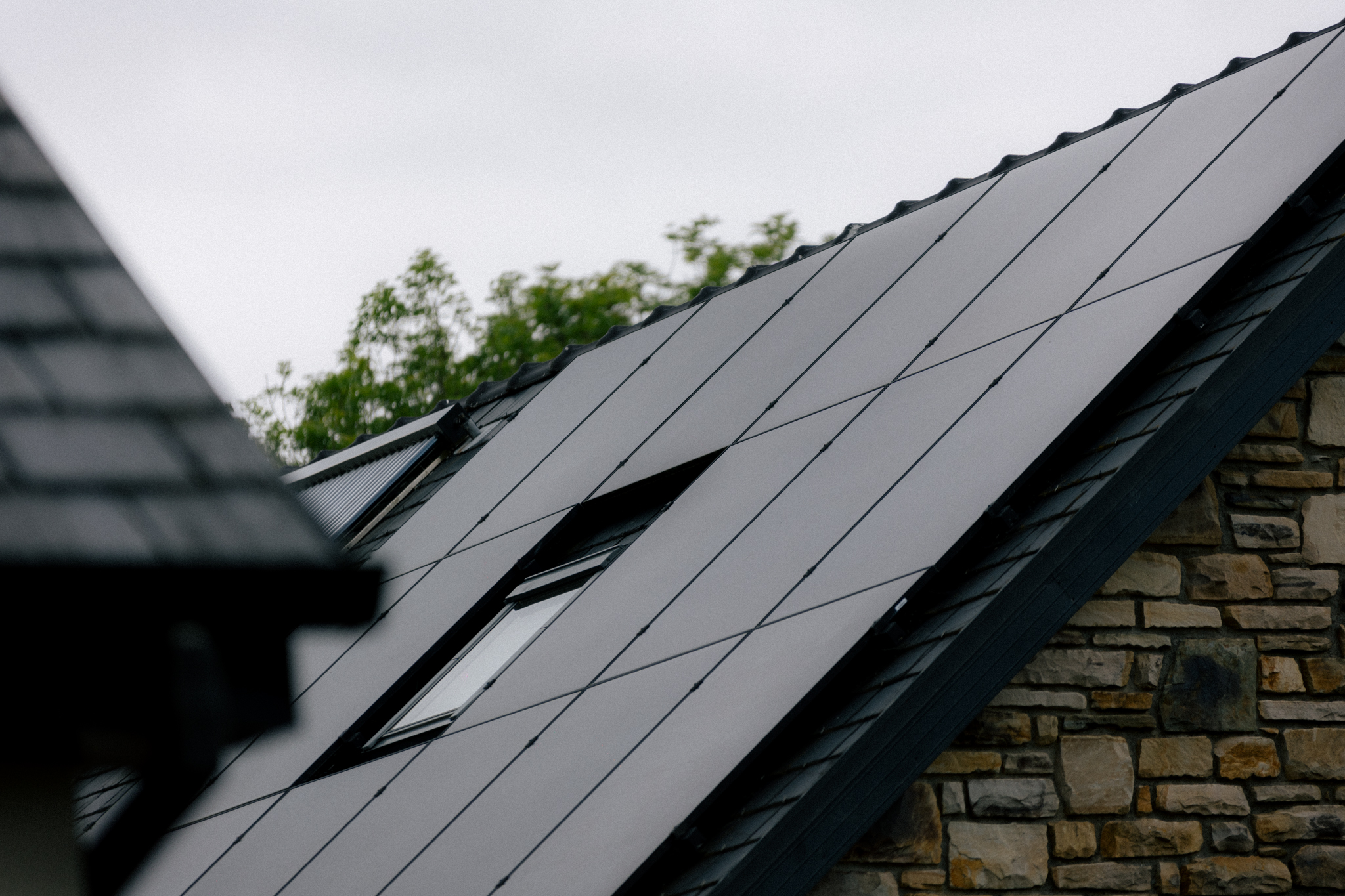
Rain is beneficial, not harmful. It keeps panels clean by washing off dust, bird droppings, and debris. A well-installed system on a pitched roof in Sligo or Donegal will often keep itself cleaner than one in a drier climate that accumulates more surface grime.
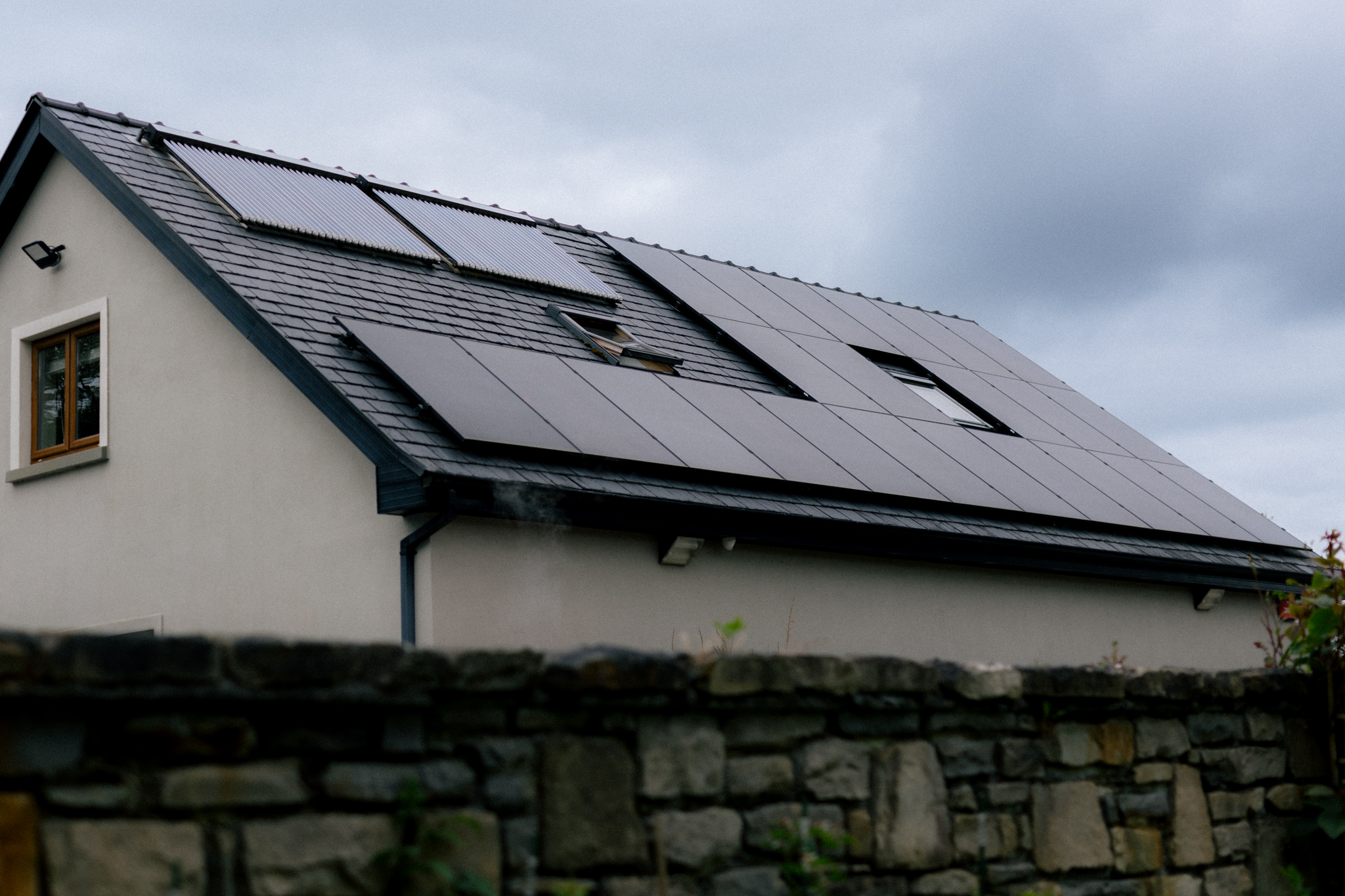
The main weather-related risks are physical damage from extreme wind and impact from hail. A properly mounted system with good-quality mounting hardware handles Irish wind conditions without issue. Solar Generation carries out full structural assessments before installation to ensure mounting is appropriate for the specific site.
Warranties: What’s Actually Covered
There are two separate warranties on any solar system, and most people don’t realise they’re different.
Product warranty: This covers manufacturing defects and material failures. Most quality panels carry a 10 to 12 year product warranty. If a panel fails due to a fault in its construction within that period, it gets replaced.
Performance warranty: This covers the degradation rate. A standard performance warranty guarantees that the panel will produce at least 80% of its rated output after 25 years. Premium panels often guarantee 90% or more over the same period.
Your inverter carries its own separate warranty. Most inverters come with a 5 to 10 year warranty, and extended warranty options are usually available. The inverter is the component most likely to need replacement before the panels themselves, so this matters.
| Component | Typical Lifespan | Standard Warranty |
|---|---|---|
| Solar panels | 25-35 years | 25 years performance |
| String inverter | 10-15 years | 5-10 years |
| Hybrid/storage inverter | 10-15 years | 5-10 years |
| Battery storage | 10-15 years | 10 years |
| Mounting hardware | 25+ years | Varies |
If you’re adding battery storage to your system, the battery typically carries a 10-year warranty of its own. Given that batteries involve the most active chemistry in the system, that’s a reasonable benchmark to work from when planning long-term costs.
What Affects How Long Solar Panels Last?

The quality of the panel is the biggest factor. But installation quality runs a very close second. Panels that are poorly mounted, have substandard wiring connections, or were installed without proper waterproofing at the penetration points will have shorter useful lives regardless of what the manufacturer’s datasheet says.
Here are the main factors that affect lifespan:
Panel quality: Premium panels from established manufacturers last longer and degrade more slowly. Tier 1 manufacturers have track records going back 20 or more years.
Installation quality: Proper mounting, correct cable management, and weatherproofed penetrations are as important as the panels themselves. Working with an SEAI-registered installer means the installation meets the technical standards required to protect your investment long-term.
Shading and soiling: Panels that are partially shaded or that accumulate heavy soiling degrade faster. An honest site assessment before installation should identify shading risks. Micro-inverters or optimisers can minimise the impact of unavoidable shading.
Maintenance: Panels need very little active maintenance, but periodic checks of connections and a visual inspection every few years catch small issues before they become expensive ones.
How to Know If Your Solar Panels Need Replacing
If you have an existing system, there are practical signs that performance has dropped beyond normal degradation.
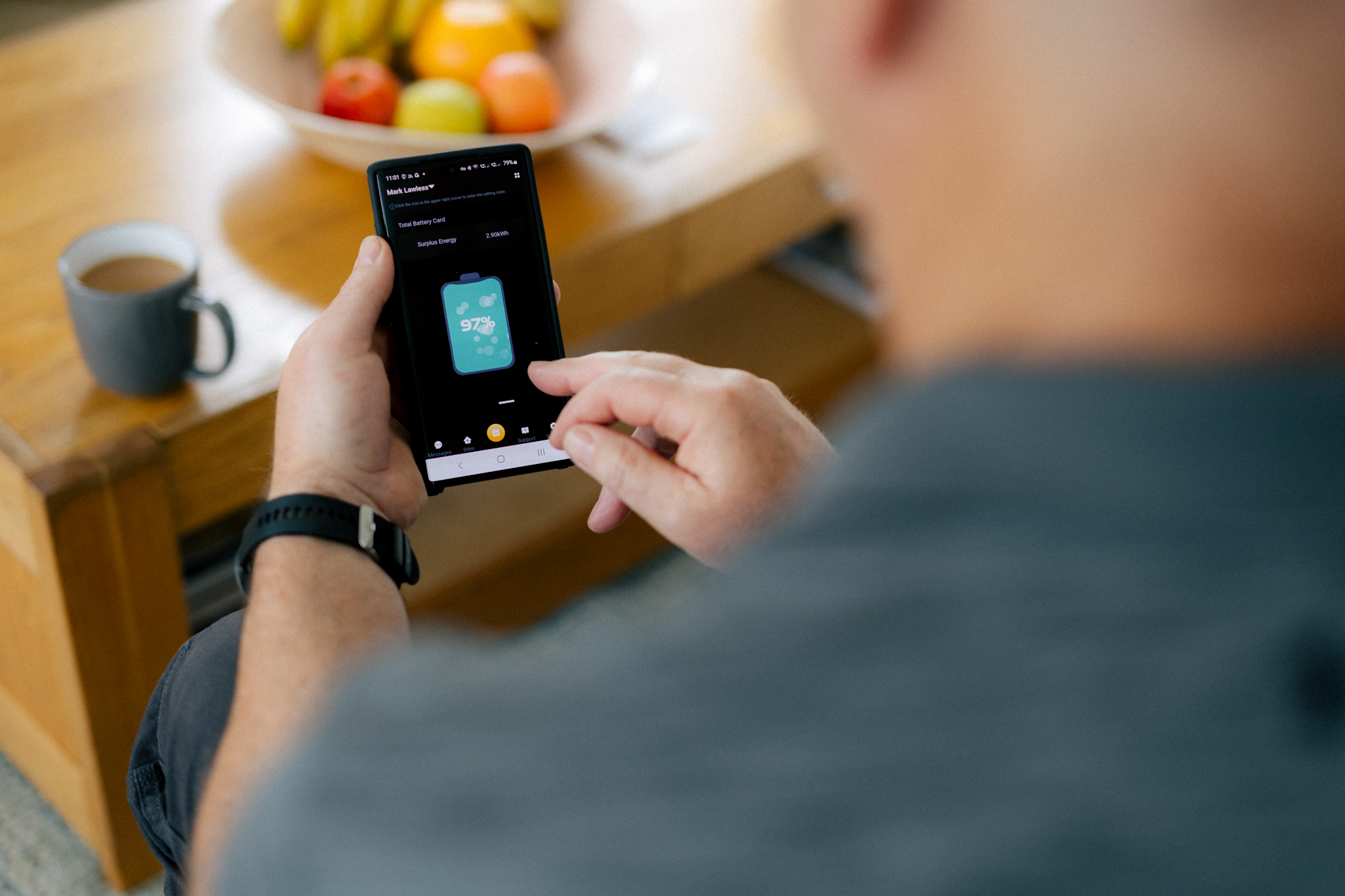
Monitor your generation figures against historical data. Most modern inverters provide generation logs going back years. A sudden drop in output, or a consistent underperformance against what your system was generating in previous years at the same time, points to something worth investigating.
Common causes of underperformance are:
- A failing inverter (often the culprit before the panels themselves)
- One or more panels that have developed internal cell damage
- Soiling or shading from vegetation that’s grown since installation
- Connection issues in the DC wiring
If your system is more than 15 years old and you’re not sure about its current health, a professional inspection is worth arranging. Solar Generation offers system maintenance and monitoring for existing installations, not just new ones.
Solar Panel Lifespan vs. Payback Period in Ireland
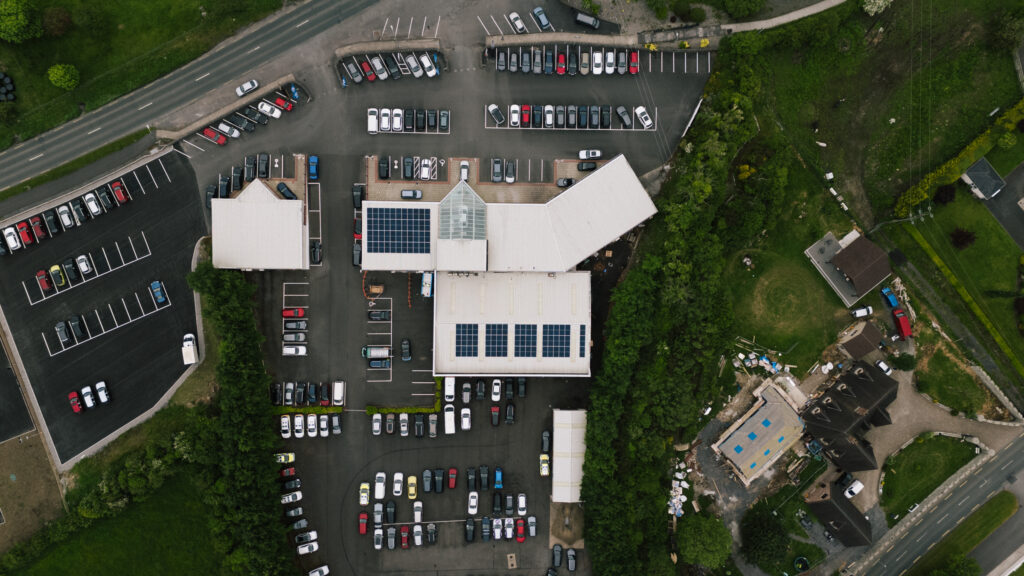
This is where the lifespan question connects directly to value. A solar system in Ireland typically pays back its installation cost in 7 to 10 years. With a 25 to 30 year lifespan, you’re looking at 15 to 23 years of essentially free electricity after payback.
The SEAI Solar PV grant currently covers up to €2,400 for a residential system, which improves the payback calculation significantly. The Clean Export Guarantee (CEG) adds further value by paying you for excess electricity you export to the grid. Even conservative Irish generation figures support a strong long-term return.
A 4kWp system installed in Sligo or Mayo generates roughly 3,200 to 3,600 kWh per year in typical conditions. At current electricity prices of around €0.30 to €0.35 per kWh, that’s €960 to €1,260 in annual savings before any export income. Over a 25-year lifespan, those numbers add up to something meaningful.
What Happens After 25 Years?
Your panels won’t suddenly stop working the day their performance warranty expires. Most systems continue generating useful electricity for five to ten years beyond the warranty period, just at a gradually declining rate.
At some point the economics shift. If your panels are generating significantly less than they used to, and electricity prices have risen (as they consistently have in Ireland over the past decade), the calculation tilts towards replacement or partial upgrade.
By the time most systems installed today reach 25 years, panel efficiency will have improved considerably and prices will likely be lower. A partial upgrade or full replacement at that stage will often make strong financial sense.
The panels themselves are recyclable. European regulations require solar panel manufacturers to fund take-back and recycling schemes. You can read more about WEEE recycling obligations in Ireland if you want to understand how end-of-life disposal works in practice.
Frequently Asked Questions About Solar Panel Lifespan in Ireland

How long do solar panels last in Ireland on average?
Quality solar panels installed in Ireland last 25 to 30 years with reliable performance, and often continue generating beyond that. Most manufacturers provide a 25-year performance warranty guaranteeing at least 80% of original output. Ireland’s mild temperatures and regular rainfall actually support panel longevity well.
Do solar panels degrade faster in wet climates?
No. Rain keeps panels clean, which maintains efficiency. The bigger degradation factors are heat cycling, UV exposure, and manufacturing quality. Ireland’s relatively cool, wet climate is gentle on panels compared to hotter, drier climates that cause more thermal stress.
How often do solar panels need to be replaced in Ireland?
Most Irish homeowners won’t need to replace their panels within the expected occupancy of their home. A system installed today should outlast a typical 25-year mortgage. Inverters are more likely to need replacement once during the system’s lifetime, typically after 10 to 15 years.
Can I still claim SEAI grants if I’m replacing old panels?
The SEAI Solar PV grant applies to new installations. If you’re upgrading or replacing an existing system, contact SEAI directly to confirm eligibility based on your specific circumstances, as the rules have evolved over recent years.
What’s the best way to check if my existing solar panels are still performing well?
Compare your current generation figures against previous years using your inverter’s monitoring data. A decline of more than 10% beyond what the normal degradation rate would suggest is worth investigating. Solar Generation provides inspection services for existing systems if you want a professional assessment.
What to Do Next
How long solar panels last depends heavily on the quality of the panels and the quality of the installation. Get both right and a system installed in Ireland today will be generating electricity well into the 2050s.
Solar Generation has installed over 2,500 systems across Ireland and is SEAI-registered. If you’re considering solar for the first time, or want a health check on an existing system, a free solar assessment is the straightforward next step with no obligation to proceed.