Are you looking at your roof and seeing a missed opportunity? Making money from solar panels isn’t just a dream for homeowners in places like Sligo or Donegal anymore. You can actually get paid for the power you don’t use while slashing your monthly bills. This guide will show you how the new export rates work and how to grab the best grants in 2026.
How the Clean Export Guarantee puts cash in your pocket
The biggest change for Irish energy is the Clean Export Guarantee (CEG). Before this, any extra power your panels made just went back to the grid for free. Now, your energy supplier must pay you for every kilowatt-hour (kWh) you send back.
You’ll see this show up as a credit on your electricity bill. Most suppliers in Ireland are currently paying between 18c and 25c per kWh. If you’re out at work during the day, your house is likely “selling” power while you’re gone.
Maximising your earnings with the right supplier
Not all electricity companies offer the same rates for your solar power. Some might give you a better deal if you also buy your electricity from them. It pays to shop around and switch providers every year to stay on the best tariff.
| Supplier | Export Rate (Approx) | Best For |
| Pinergy | 25c per kWh | High exporters |
| Electric Ireland | 19.5c per kWh | Existing customers |
| Energia | 18.5c per kWh | Bundled deals |
| Flogas | 18.5c per kWh | Fixed term plans |
Understanding the tax-free benefits for homeowners
The government wants more people to go green, so they’ve made the first €400 of your solar income tax-free. Budget 2026 recently extended this “tax disregard” until the end of 2028. This means most residential systems won’t owe a penny in tax on their earnings.
You don’t even need to declare this money if it stays under the limit. For a typical 4kW system in a sunny spot like Wexford or even a bright day in Roscommon, you’ll likely stay well within this bracket. It’s pure profit that helps pay off the system faster.
Earning potential for Irish businesses and farms
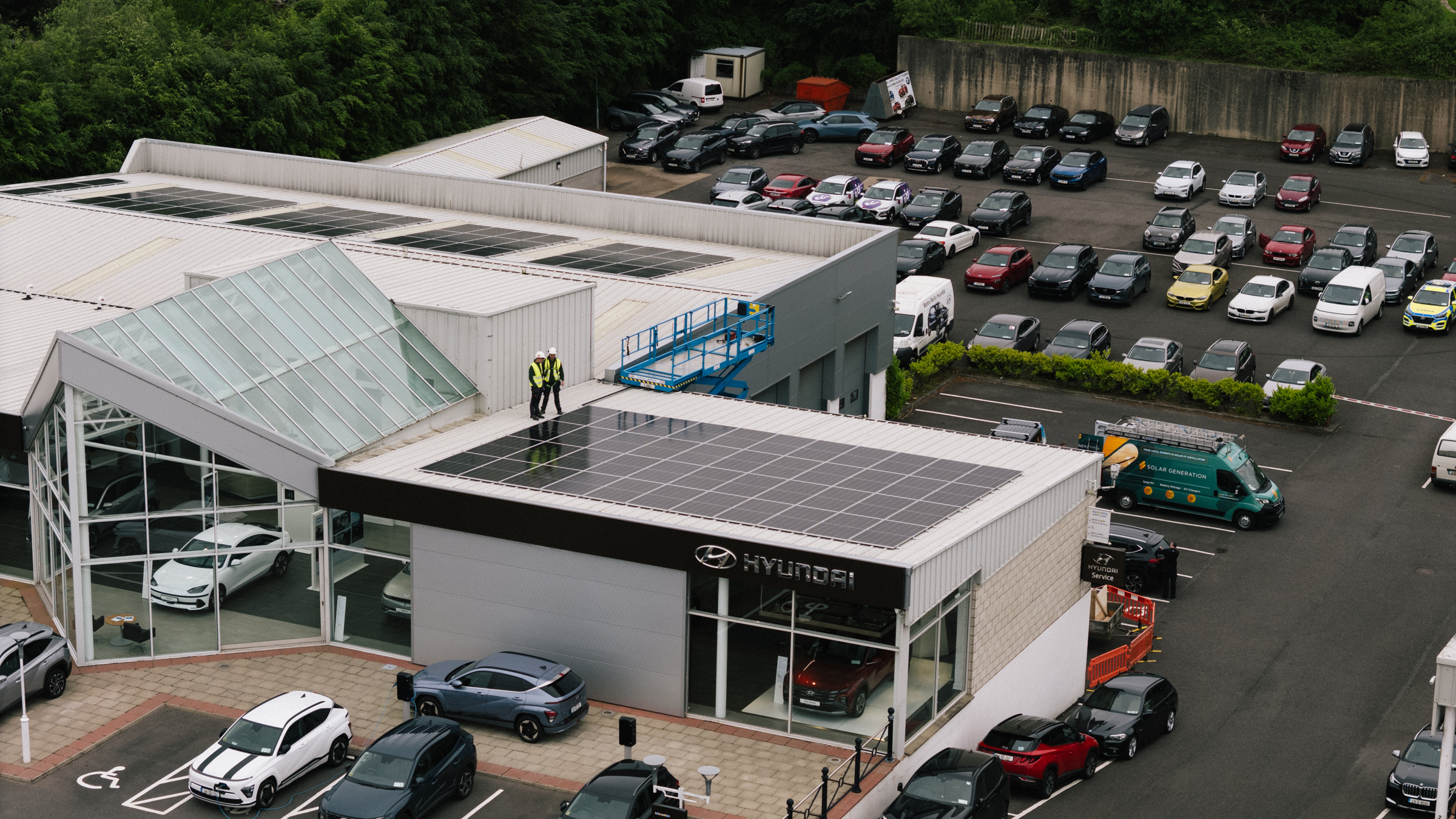
Businesses have an even bigger chance for making money from solar panels due to higher daytime usage. If you run a warehouse or a dairy farm, you’re likely using power when the sun is at its peak. This “self-consumption” is worth more than the export rate because it offsets expensive retail unit prices.
Farms can also look into the TAMS III grants, which offer huge support for solar installations. Some businesses are seeing a full return on their investment in as little as 3 to 5 years. Once the system is paid off, every unit of solar power you use is basically free money for your bottom line.
Grabbing the SEAI grants before they change

The SEAI grant is still a massive help for covering the upfront cost of your solar panels. In 2026, the grant is capped at €1,800 for most residential setups. This usually works out as €700 per kWp for the first 2kWp and €200 for each kWp after that.
- 2kWp System: €1,400 grant
- 3kWp System: €1,600 grant
- 4kWp System: €1,800 grant
You must use an SEAI-registered installer like Solar Generation to qualify for this cash. We handle the paperwork for you to make sure the process is smooth. Getting this grant up front means you start profiting from day one.
Why 0% VAT is a silent profit maker
Since 2023, the Irish government has scrapped VAT on the supply and installation of solar panels for homes. This was a 13.5% saving that stayed in your pocket immediately. It makes the “payback period”—the time it takes for the panels to pay for themselves—much shorter.
For a €10,000 system, you’re essentially saving over €1,300 right off the bat compared to older rules. This lower entry price means your solar panels start “earning” their keep much sooner. When you combine no VAT with the SEAI grant, the financial case is hard to beat.
Using smart batteries to time the market
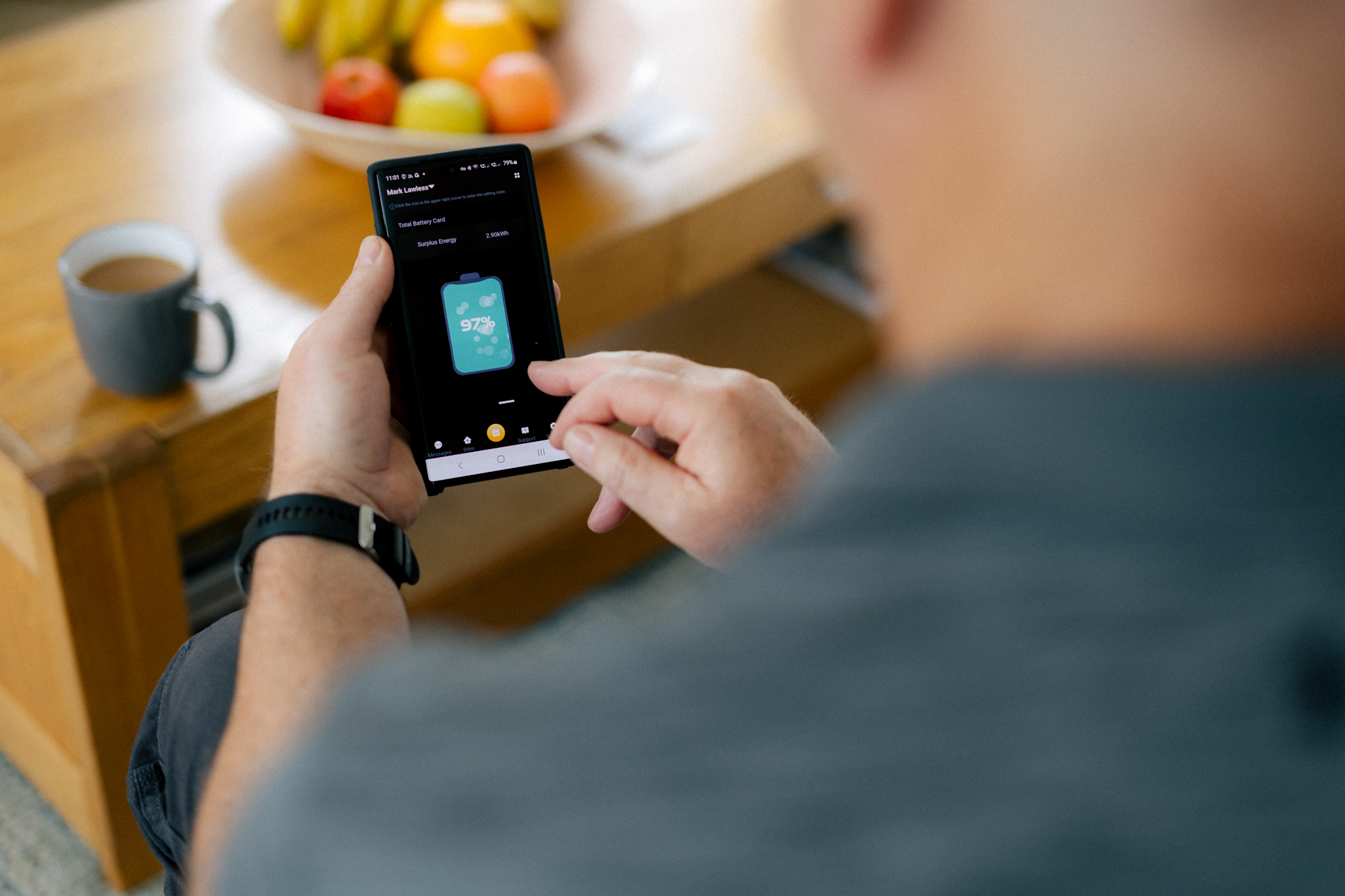
Adding a battery like the Huawei Luna allows you to store your “free” daytime energy. You can then use it at night when the sun goes down instead of buying power from the grid. Some smart batteries even let you charge up on cheap “night-rate” electricity to use during the expensive morning peaks.
While a battery adds to the initial cost, it often increases your total savings. You become less reliant on the grid and its fluctuating prices. In a world where energy costs keep rising, this independence is a form of guaranteed profit.
Real-world examples from across the North-West

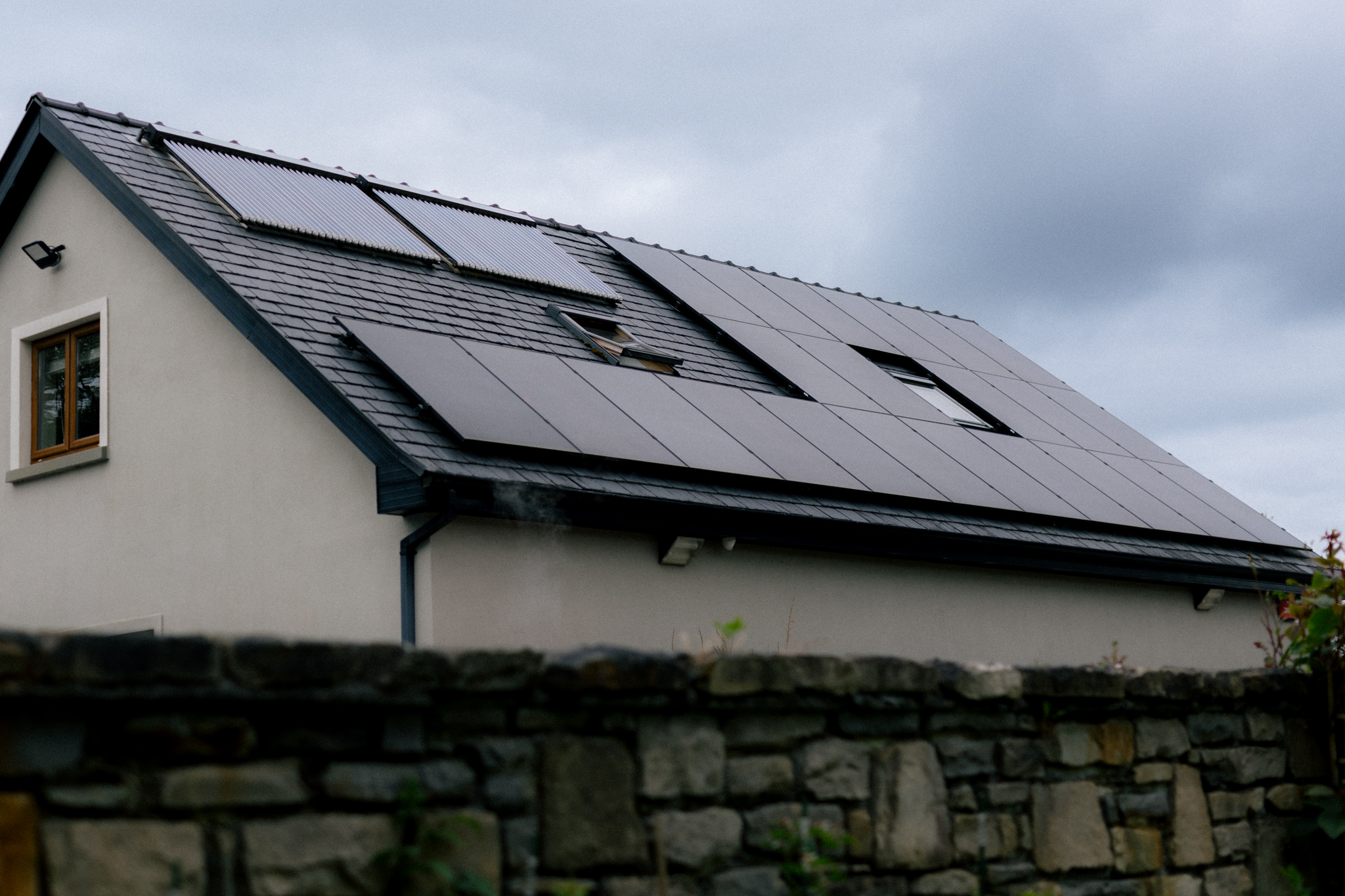
We’ve seen families in Leitrim reduce their annual bills by over €1,000 just by adding a 4kW system. One commercial client in Sligo Town saved nearly 60% on their daytime running costs within the first year. These aren’t just guesses; they are real numbers from local rooftops.
Even on cloudy days, modern panels are efficient enough to keep your house ticking over. The key is to match the system size to your actual needs. There is no point in overspending on panels if you don’t have the roof space or the demand.
Planning for a 25-year profit stream
Solar panels are a long-term game, often coming with 25-year performance warranties. This means you’re locking in your energy costs for the next quarter of a century. As electricity prices from big suppliers go up, your solar profit margin actually grows.
You should view your roof as an asset that generates a steady, low-risk return. Very few other home improvements actually pay you back in cash every single month. It’s a rare win-win for your wallet and the planet.
Taking the next step toward solar profit
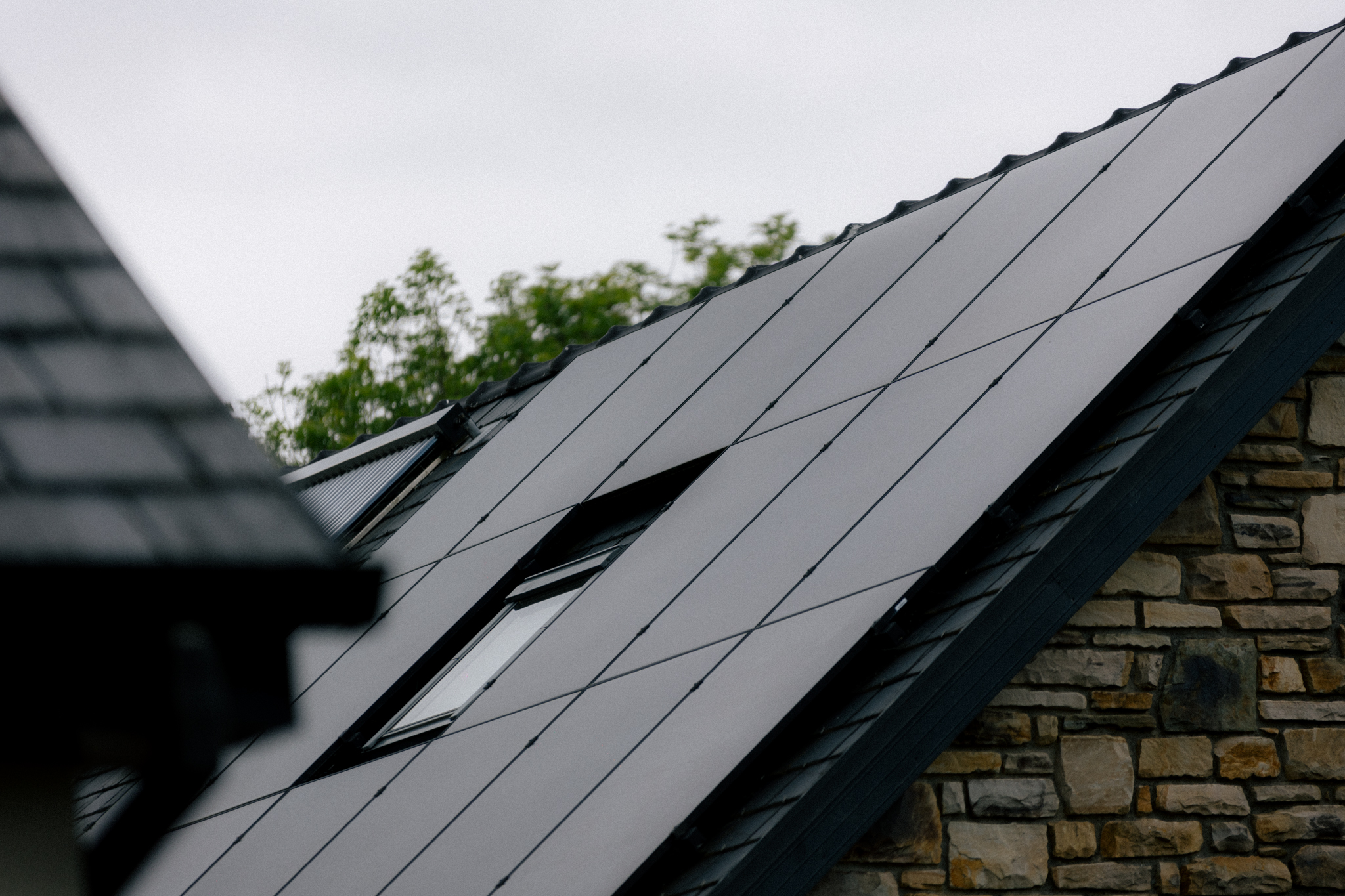
Starting your journey to making money from solar panels begins with a simple site survey. We look at your roof angle, your current bills, and how much sun you get in your specific part of Ireland. We’ll give you a clear breakdown of exactly how much you can expect to earn and save.
Would you like me to arrange a free solar survey for your home or business to see your potential earnings?