Electricity bills aren’t going down. If you’ve been watching yours creep up every quarter, solar panels are probably already on your radar. The problem is that nobody gives you a straight answer on what they actually cost. So here it is.
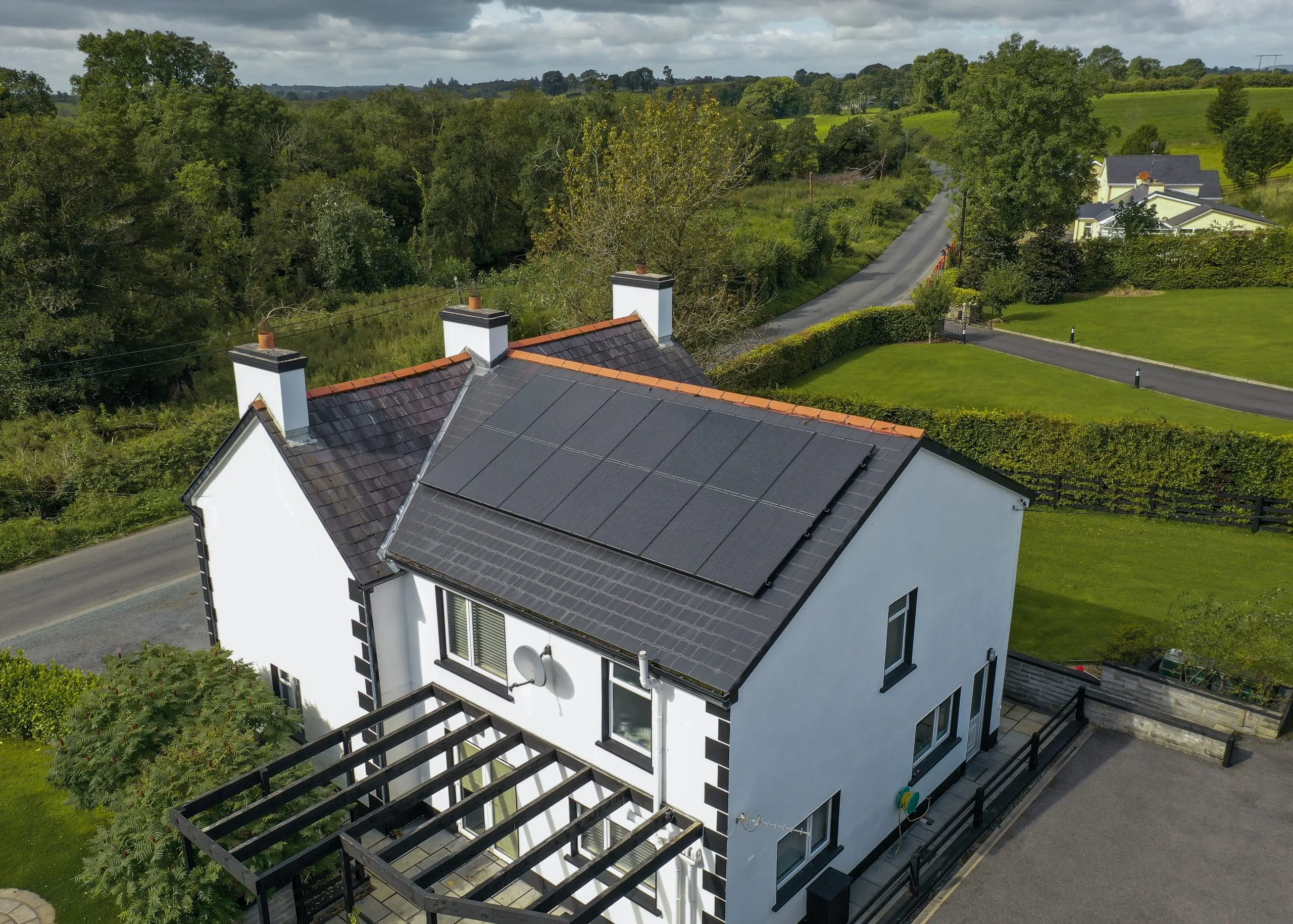
A typical solar PV system for an Irish home costs between €6,000 and €12,000 before grants. After the SEAI solar PV grant and 0% VAT, you’re looking at €4,200 to €10,200. For most three or four-bedroom houses, that works out to around €6,000 to €8,000 after everything’s been applied. Here’s exactly how it all works.
How Much Does a Solar Panel System Actually Cost?
The cost depends on the size of the system, and the size depends on how much electricity your household uses. The average Irish home uses around 4,200 kWh of electricity a year. Most installers will size that at a 4kW system. Bigger house or more people, you might need 5kW or 6kW.
| System Size | Number of Panels | Cost Before Grant | SEAI Grant | Cost After Grant | Best For |
|---|---|---|---|---|---|
| 3 kW | 6–10 panels | €4,500–€6,000 | €1,600 | €2,900–€4,400 | 1–2 person households |
| 4 kW | 10–14 panels | €6,000–€8,000 | €1,800 | €4,200–€6,200 | 3–4 person households |
| 5 kW | 12–16 panels | €7,500–€10,000 | €1,800 | €5,700–€8,200 | 4–5 person households |
| 6 kW | 14–20 panels | €9,000–€12,000 | €1,800 | €7,200–€10,200 | Larger households |
The grant caps at €1,800 no matter the system size, so there’s no extra grant money for going bigger than 4kW. But a larger system generates more electricity, which means bigger savings on your bills each year.
Where Does Your Money Actually Go?
When you get a quote, the price covers more than just the panels. Here’s the breakdown for a standard 4kW installation so you know what you’re looking at before you sign anything.
| Component | Share of Total Cost | Typical Cost |
|---|---|---|
| Solar panels | 40–50% | €3,200–€4,000 |
| Inverter | 15–20% | €1,200–€1,600 |
| Mounting system | 10–15% | €800–€1,200 |
| Labour and installation | 20–25% | €1,600–€2,000 |
| Electrical work | 5–10% | €400–€800 |
The inverter matters more than people think
The inverter converts the DC electricity your panels generate into the AC electricity your home runs on. It’s not something to cut corners on, because a cheap inverter drags down the output of the whole system. Worth spending on a decent one.
The SEAI Grant: What You Get and How to Claim It
The Sustainable Energy Authority of Ireland runs the main grant scheme for solar PV on homes. The grant is calculated based on the size of your system in kWp (kilowatt-peak). You get €700 for each kWp up to 2kWp, then €200 for each additional kWp up to 4kWp. The maximum is €1,800, and that’s confirmed for 2026.
Your home needs to have been built and occupied before 2021. You can’t have already claimed an SEAI solar PV grant at the same property. And you have to use an installer from the SEAI’s registered list. The SEAI grant page has the full requirements.
You need to apply before the installation starts. Once you get approval, you’ve got 8 months to get the work done and submit the paperwork. The grant gets paid directly into your bank account after that, usually within four to six weeks.
If you want a plain-English walkthrough of the whole process, have a look at our SEAI grant guide.
You’re Also Paying 0% VAT: Here’s Why That Matters
Solar panel installation on private homes attracts 0% VAT. Normally VAT on this kind of work would be 13.5%, so on an €8,000 installation that’s roughly €1,000 you’re not paying. This applies to the panels, the inverter, wiring, batteries, and the installation labour, as long as it’s all under one supply-and-install contract with the same company.
Revenue has had this in place since May 2023, and there’s no announced end date.
Why Some Installations Cost More Than Others

Your roof orientation
South-facing roofs generate the most solar energy, but east and west-facing roofs work fine too. North-facing is trickier, and some roofs just aren’t suitable because of shading from nearby buildings or trees. A good installer will tell you this upfront rather than selling you a system that underperforms.
The quality of the panels
Budget panels might save you a grand upfront, but they tend to produce less over their lifetime and come with shorter warranties. Premium panels cost more but perform better over 25 years. It’s worth paying for quality here because you’re not replacing them anytime soon.
Where you are in Ireland
Your location matters less than you’d think. The south and east get more sun than Donegal or Mayo, but the difference isn’t dramatic enough to make solar unviable anywhere. A system in the northwest still pays for itself, just takes a year or two longer than one in Cork or Wexford.
How Much Will You Actually Save on Your Bills?
Here’s how the numbers work for a typical Irish household on a 4kW system.
The average Irish home uses 4,200 kWh of electricity a year. At a unit rate of around 34 cent per kWh, that’s roughly €1,430 a year on electricity.
A 4kW solar system in Ireland generates approximately 3,400 kWh a year. If you use most of that in the home, you’re saving around €1,150 a year on your electricity bill. That brings your annual cost down to under €300.
That’s an 80% reduction. On a system that cost €6,200 after the grant, that’s a payback period of about 5 to 6 years. After that, you’re generating electricity for free for another 20 years or more, because solar panels typically last 25 to 30 years.
If your system generates more than you use, you can export the excess back to the grid and get paid for it. The first €400 a year you earn from selling electricity is tax-free, according to Citizens Information.
See how much your specific property could save with our solar savings calculator.
Solar PV vs Solar Thermal: Which One Do You Actually Need?

They’re not the same thing, and it’s worth understanding the difference before you spend any money.
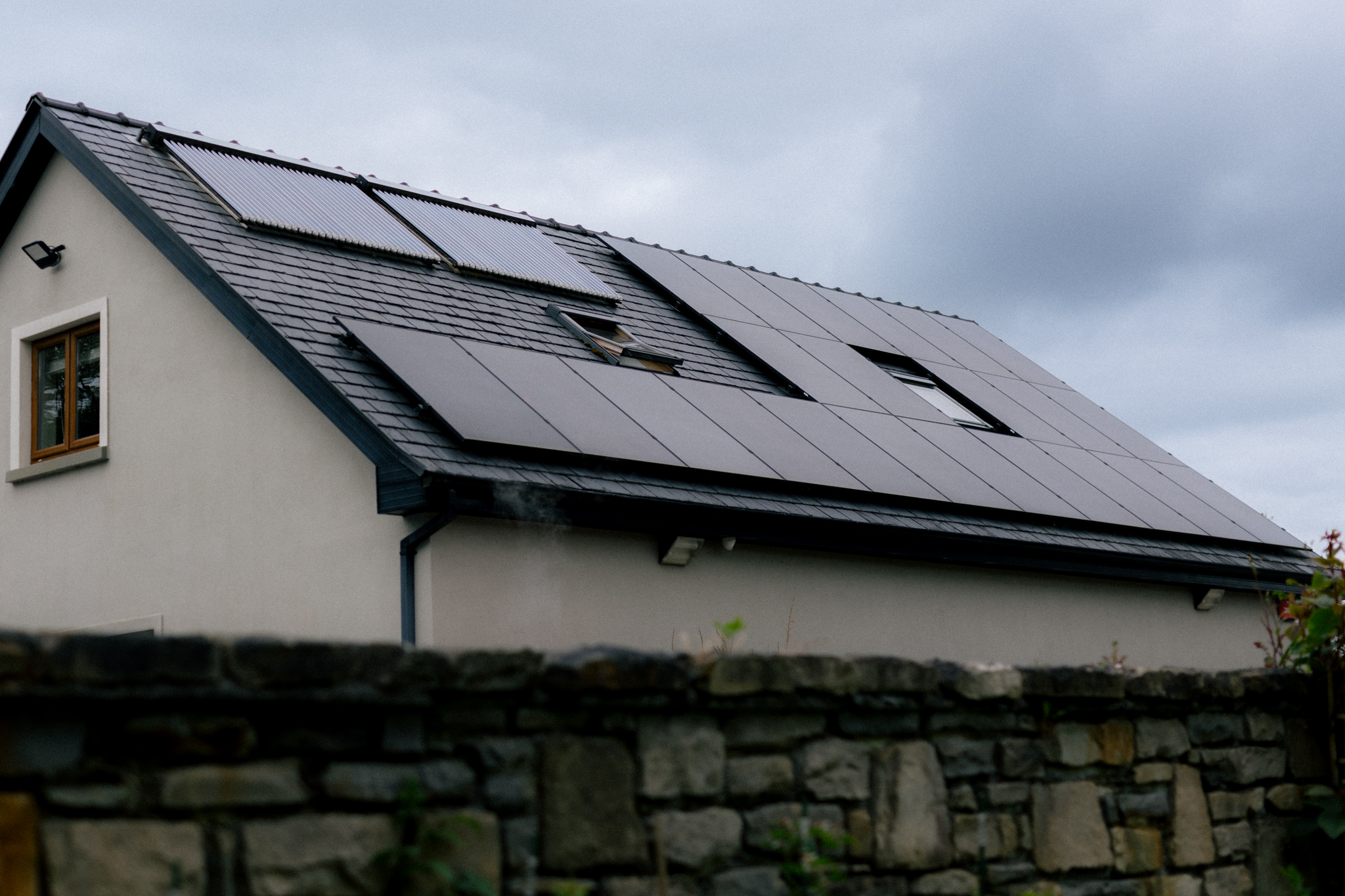
Solar PV panels generate electricity. That’s what most people mean when they talk about solar panels. Solar thermal panels heat water. They’re a different system entirely and use different technology.
| Solar PV | Solar Thermal | |
|---|---|---|
| What it does | Generates electricity | Heats water |
| Cost | €6,000–€12,000 | €2,000–€7,500 |
| SEAI Grant | Up to €1,800 | Up to €1,200 |
| Annual saving | €800–€1,200 | €300–€500 |
| Payback period | 5–7 years | 7–10 years |
| Energy coverage | Up to 80% of electricity | Around 60% of hot water |
For most households, solar PV is the better investment. The savings are bigger, the payback is faster, and electricity prices are only going one way. Solar thermal can be a good addition if you already have PV and want to cut your hot water costs as well.
Will Solar Panels Actually Work in Irish Weather?
Yes. Solar panels don’t need sunshine. They need daylight. On a cloudy day you’re still generating 20 to 40% of what you’d get in full sun, and Ireland gets enough daylight hours to make the economics work across the whole country.
A 4kW system in Ireland generates around 3,400 kWh a year on average. That’s based on real-world Irish conditions, not lab results or figures from somewhere sunny. The panels work in winter too, just at reduced output.
Should You Get a Solar Battery?
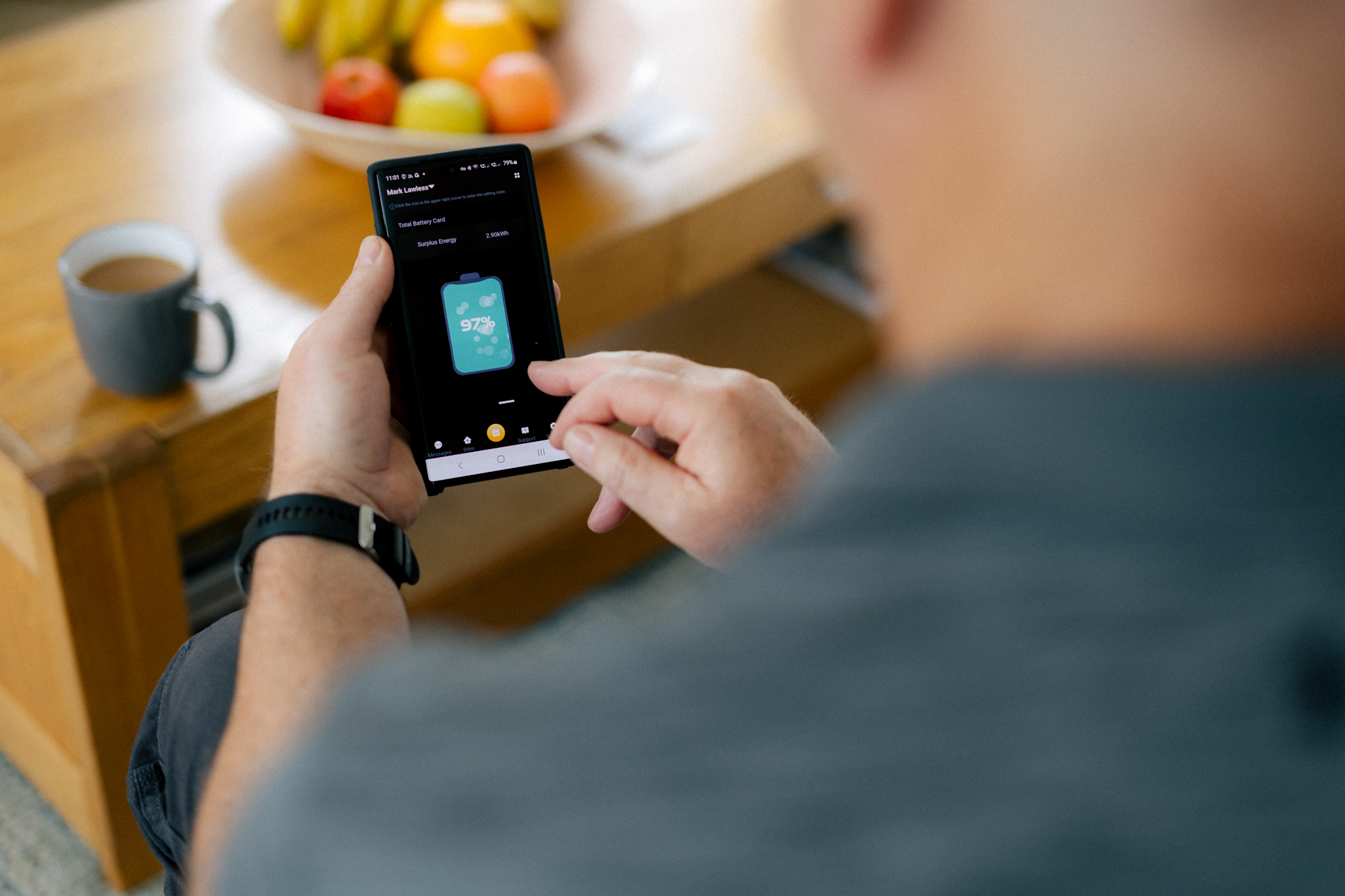
A solar battery stores electricity your panels generate during the day so you can use it in the evening when the sun’s gone. Without one, any electricity you generate but don’t use at that moment gets exported to the grid, and you get paid a fraction of what it would cost you to buy it back.
Batteries add €3,000 to €5,000 to the installation cost. They’re worth it if you’re out of the house during the day and use most of your electricity in the evening. If you’re home during the day and using electricity as it’s generated, the payback on a battery takes a bit longer.
Find out more about whether a solar battery makes sense for your home on our battery guide.
Do You Need Planning Permission?
No. You don’t need planning permission to put solar panels on your roof. That rule changed in 2022, and there’s no longer any limit on how much of your roof can be covered. The only exceptions are properties in specific aviation safeguarding zones, which is rare. You can find the full rules on Citizens Information.
The installation itself typically takes one to two days for a standard residential system. It needs to be done by a Registered Electrical Contractor, and if you want the SEAI grant, your installer needs to be on their registered list.
Ready to Get Started? Here’s What to Do Next
Contact at least three installers, make sure they’re on the SEAI registered list, and ask each one for a site survey before they give you a price. Any installer who quotes without looking at your roof isn’t doing the job properly.
A good quote will cover the system size they’re recommending and why, the specific panels and inverter, the expected annual energy generation for your property, the full cost including labour and electrical work, and the warranty details. Anything missing from that and it’s not a complete quote.
Get a quote from Solar Generation and we’ll do the site survey, run the numbers, and show you exactly what solar could do for your electricity bill.
Frequently Asked Questions
How much do solar panels cost after the SEAI grant?
For a typical 4kW system, you’re paying €4,200 to €6,200 after the €1,800 grant. Smaller systems cost less. The exact figure depends on the panels and installer you choose.
How long do solar panels take to pay for themselves in Ireland?
Most systems pay back in 5 to 7 years. After that you’re generating electricity for free for another 20 years or more. The exact payback depends on your system size, roof orientation, and how much electricity you use.
Do solar panels work in Ireland’s weather?
Yes. They need daylight, not sunshine. On a cloudy day you still get 20–40% output. A 4kW system generates around 3,400 kWh a year in Irish conditions, which covers roughly 80% of an average household’s electricity use.
Do I need planning permission for solar panels?
No. Since 2022 there’s no planning permission required and no limit on roof coverage for residential properties. The only exception is properties in certain aviation safeguarding zones.
Is the SEAI solar grant still available in 2026?
Yes. The grant is confirmed at up to €1,800 for 2026 and is due to run until 2029. You need to apply before installation starts and use an SEAI-registered installer.
Do I need a smart meter for solar panels?
No, you don’t need one to install solar. But a smart meter lets you monitor your generation in real time and can help you get better value from time-of-use tariffs, especially if you have a battery.
Can I sell electricity back to the grid?
Yes. If your system generates more than you use, you can export the excess and get paid for it through the Clean Export Guarantee. The first €400 a year from this is tax-free.