Do you want to turn your roof into a mini power station without the council knocking on your door? Planning Permission for Solar Panels used to be a massive headache for folks in Ireland. You had to measure every inch and fill out piles of paperwork. Now, the rules have changed to make things much easier for your home or business. You’ll learn exactly when you can just get started and when you still need to ask for the green light.
The massive change for Irish rooftops
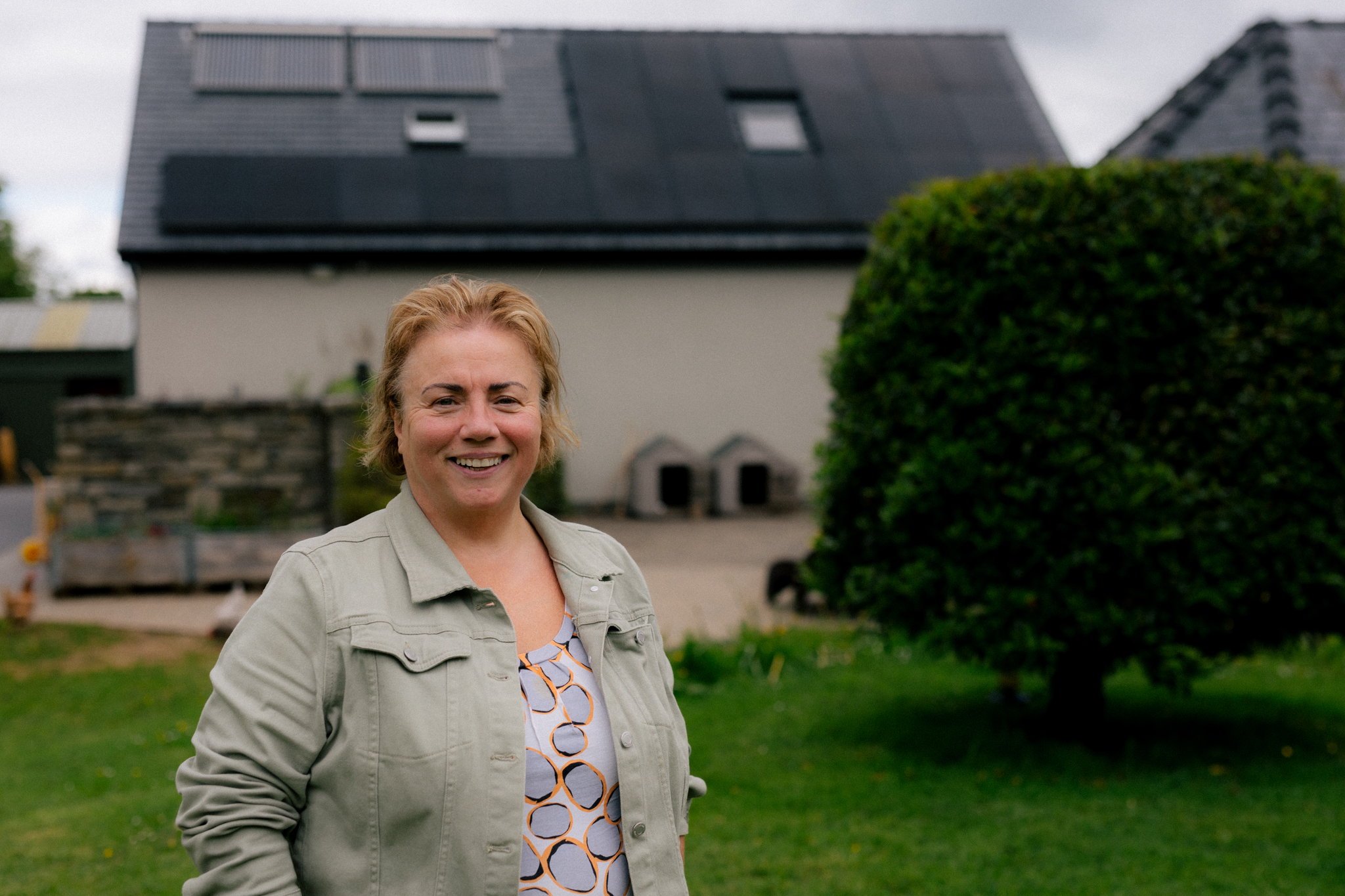
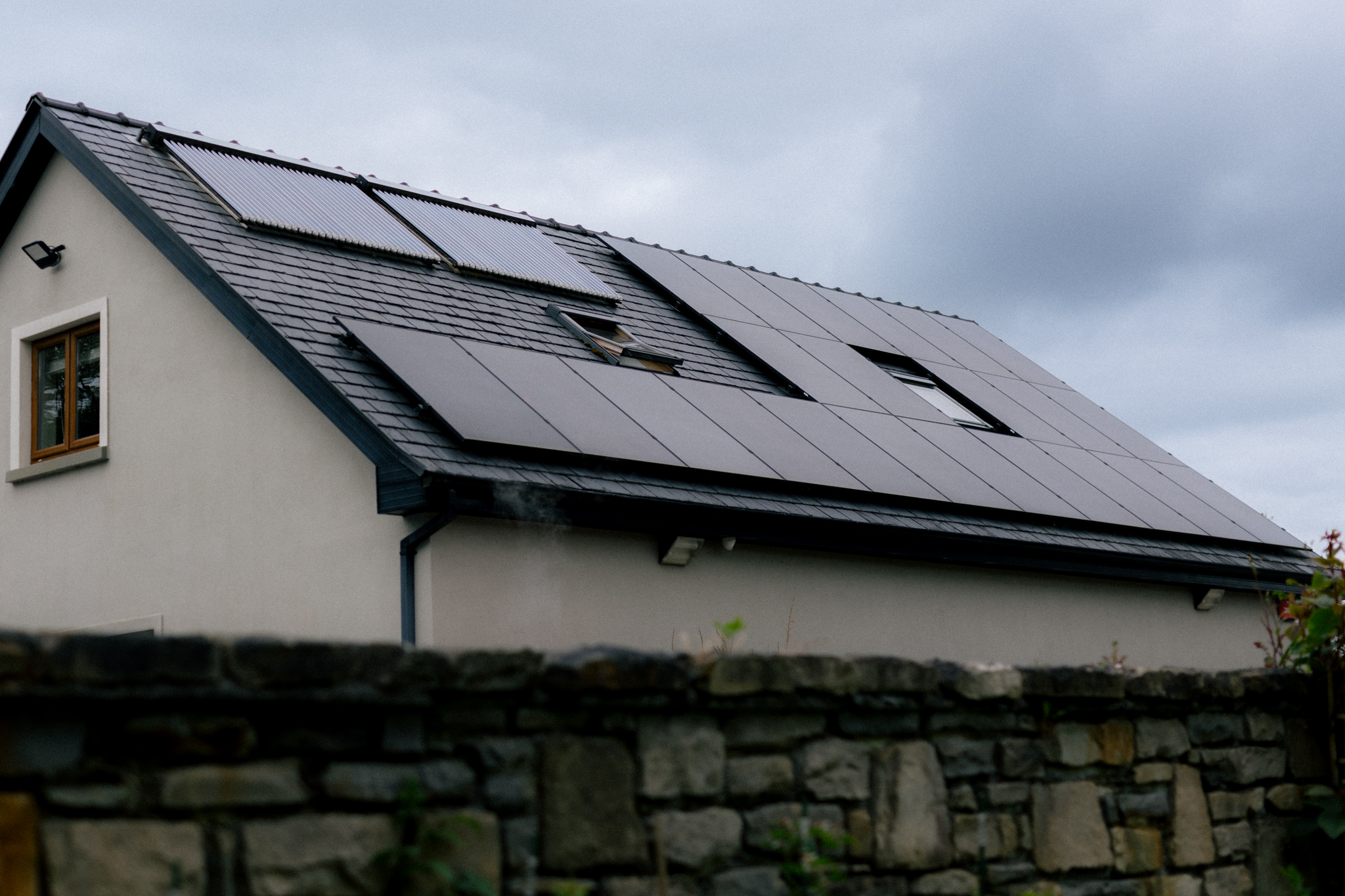
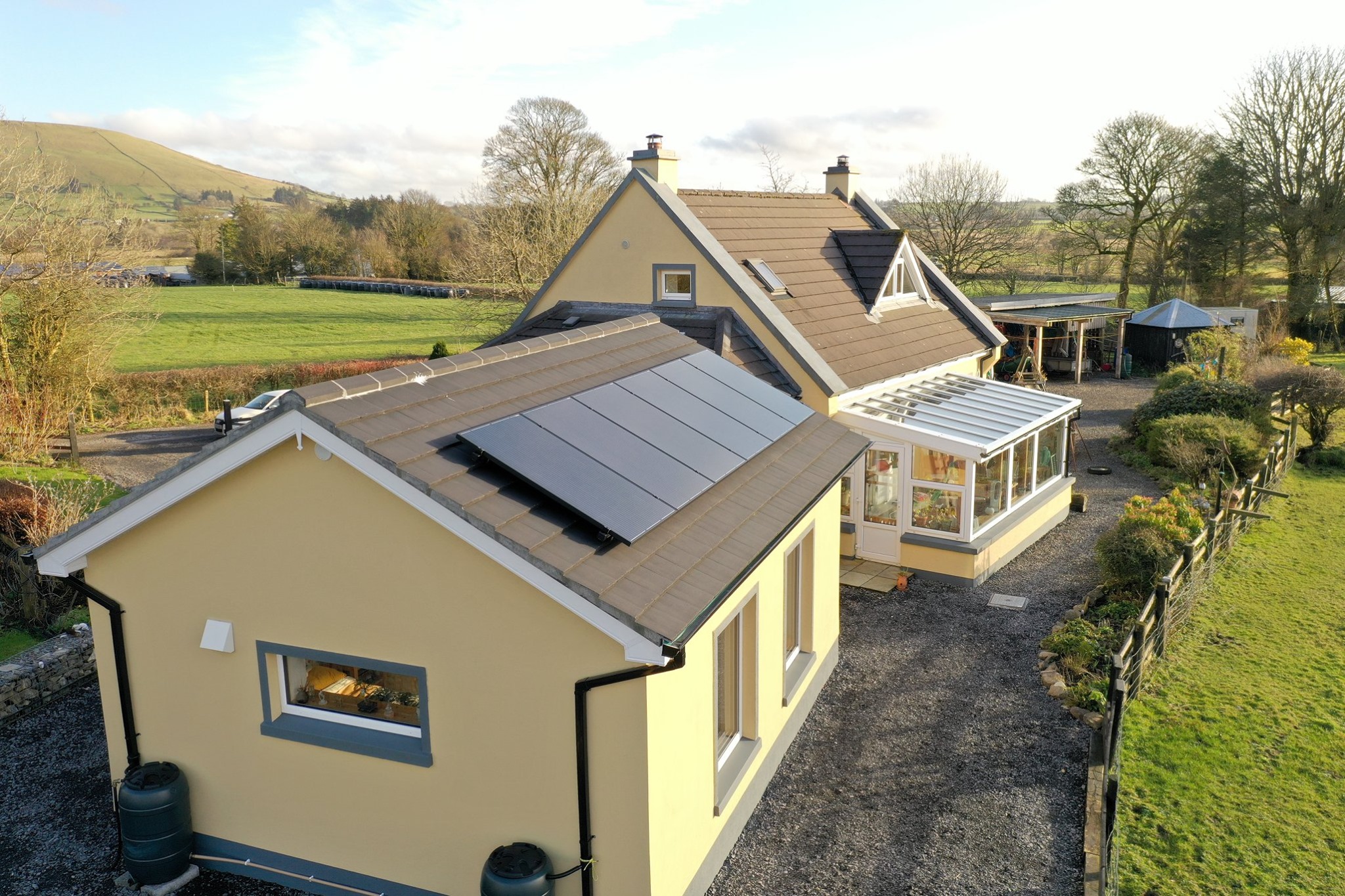
The biggest news for Irish homeowners came in late 2022. The government finally scrapped the old size limits for rooftop panels. Before this, you could only cover about half your roof or 12 square metres. Now, you can cover your entire roof in Sligo or Donegal without any permit.
This change helps you max out your energy production. You can now fit enough panels to run your heat pump and charge your car. It makes the transition to green energy much smoother for everyone. Most people will never have to worry about the council for a standard roof job.
When your house is a protected structure
There is one big “but” to these new easy rules. If your home is a “Protected Structure,” you still need to be careful. This usually applies to older period homes with historical value. You might also be in an Architectural Conservation Area (ACA).
In these cases, you usually need Planning Permission for Solar Panels. The council wants to make sure the panels don’t ruin the look of the historic building. We often suggest putting panels on a hidden rear roof in these situations. It is always best to check with your local planning office in Mayo or Leitrim first.
Rules for ground-mounted solar systems
Sometimes your roof isn’t the best spot for panels. You might have a massive garden in Roscommon with perfect south-facing light. You can put panels on the ground, but different rules apply here. You don’t need permission if the total area is under 25 square metres.
You also have to keep the height below 2.5 metres from the ground. Another rule says you must leave at least 25 square metres of free garden space. If you want a massive field of panels, you will definitely need to file a planning application.
| Feature | Limit for No Planning | Note |
| Rooftop Area (Home) | No Limit | Must be 50cm from edges |
| Ground-Mounted Area | 25 Square Metres | Must be in rear or side |
| Ground-Mount Height | 2.5 Metres Max | Measured from ground level |
| Rooftop Area (Business) | 300 Square Metres | Varies in SSZ zones |
Watch out for Solar Safeguarding Zones
Ireland has 43 areas called Solar Safeguarding Zones (SSZs). These are spots near airports, helipads, and military barracks. The reason is simple: glint and glare can distract pilots. If your business or farm is in one of these, you have a 300-square-metre limit.
Homeowners are lucky here as the 300-metre limit usually doesn’t apply to houses. However, large commercial buildings in places like Sligo near the airport must watch out. If you go over the limit in an SSZ, you must apply for permission. This often involves a “glint and glare” study to prove you won’t blind a pilot.
Why business and farm rules are different
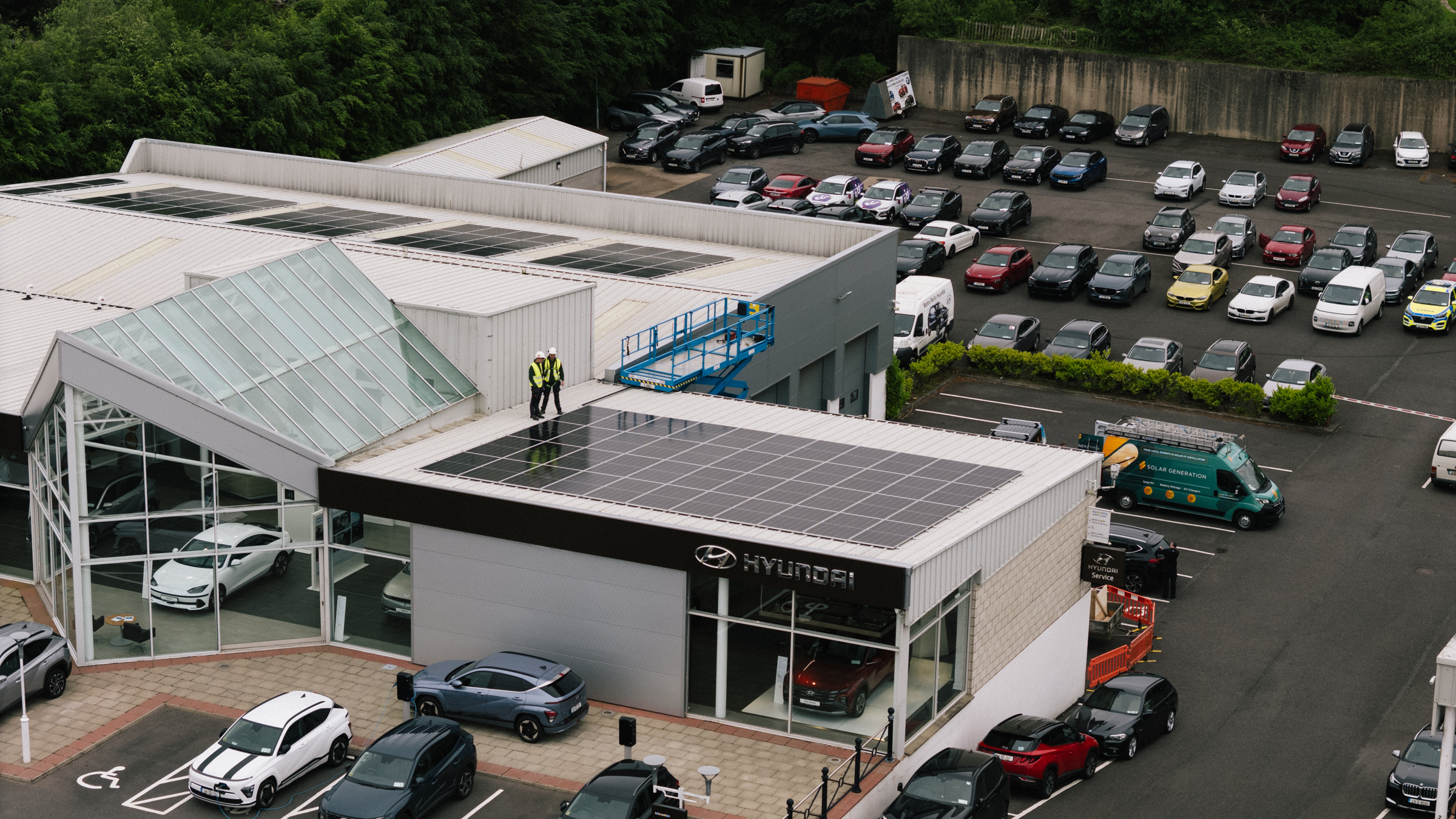
Businesses in North Galway or Donegal have different exemptions than homes. You can generally cover your entire roof unless you are in an SSZ. For ground-mounted systems, businesses get a larger 75-square-metre exemption. This is great for small factories or shops looking to cut costs.
If you are a farmer, you might want panels on several sheds. The 300-square-metre limit in safeguarding zones applies to each building separately. This means you can actually get a lot of power without ever needing a permit. It is a fantastic way to use your existing outbuildings to earn money.
The specific measurements you must follow
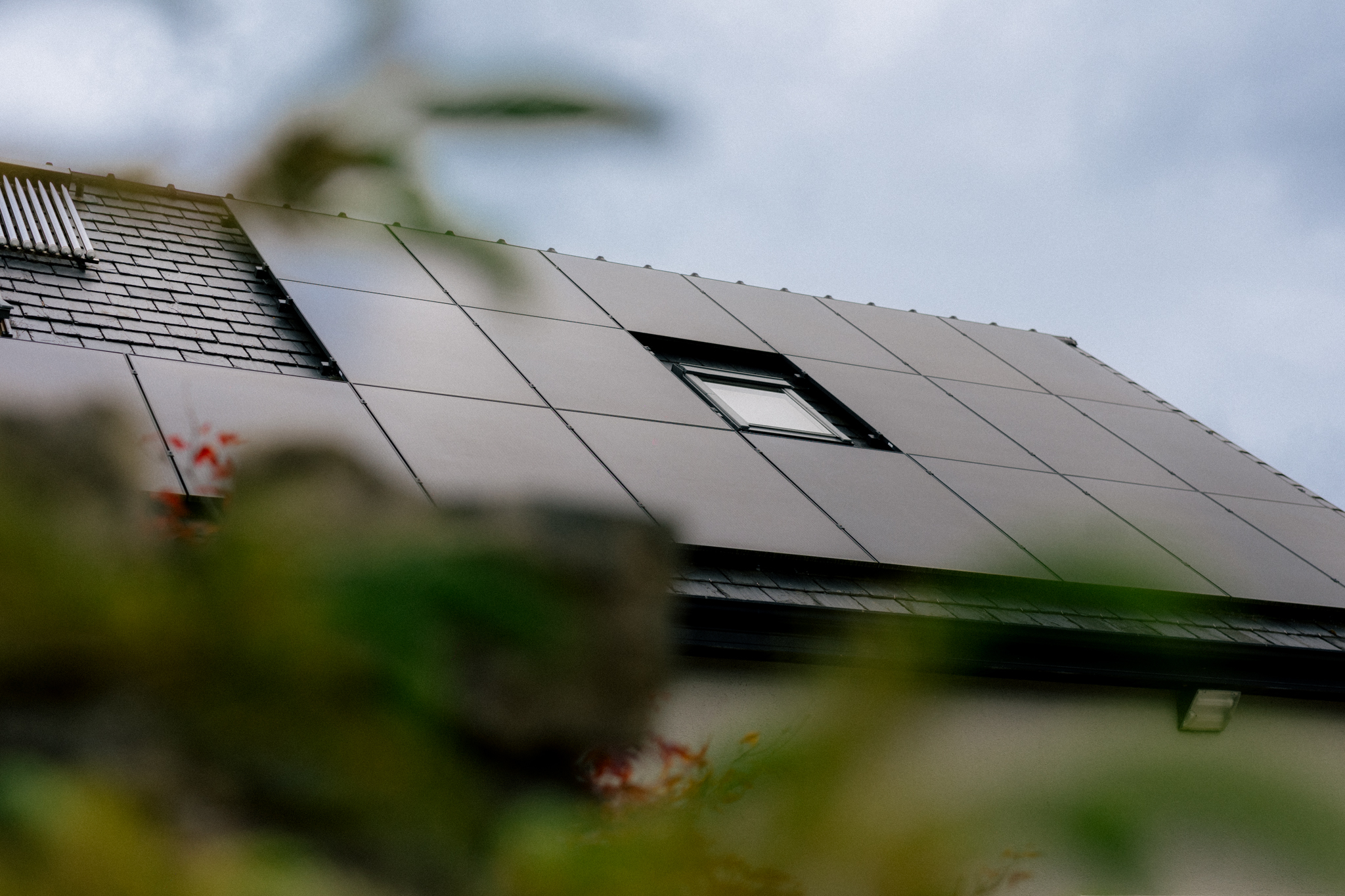
Even without a permit, you must follow basic installation rules. Your panels cannot stick out more than 15cm from the roof surface. You must also leave a 50cm gap from the edges of the roof. This gap helps with wind loads and keeps the roof safe in storms.
If you have a flat roof, the panels can be tilted up to capture more sun. However, they cannot be higher than the highest point of the roof. Following these small details keeps your “Exempted Development” status safe. It prevents any future legal issues if you ever decide to sell your house.
Getting the paperwork right for your grant
Even if you don’t need a permit, you still need to tell the grid. Your installer must submit an “NC6” form to ESB Networks. This lets them know you are now pushing power back into the lines. It is also a requirement for getting your SEAI grant.
At Solar Generation, we handle all this technical paperwork for you. We make sure your system meets all the “Safe Electric” standards. This ensures your home stays insured and your grant arrives on time. You get to enjoy the savings without the stress of the rules.
What does a planning application cost?
If you do need planning permission for solar panels, there are costs involved. A standard residential application fee is usually around €34. You will also have to pay for a site notice and a newspaper ad. These ads usually cost between €150 and €300 depending on the paper.
You might also need a professional to draw up the site maps. This can add another €500 to €1,000 to your initial budget. While it sounds like a lot, the long-term energy savings usually make it worth it. We can help you decide if a smaller “exempt” system might be a better choice for your wallet.
Examples of when you might be blocked
Planning isn’t always a “yes” even if you apply. If your panels would be visible from a very famous scenic view, they might say no. We saw a case where panels were rejected on a front-facing roof of a very old terrace. The council felt it changed the character of the entire street.
Always look at what your neighbours have done. If they have panels, you are likely in the clear. If nobody on your street has them, it’s worth a quick phone call to the council. It only takes five minutes and can save you thousands in mistakes.
Why choosing a local expert matters
We have been installing solar in the North-West since 2018. We know the specific rules for Sligo County Council and Mayo County Council. Our team can spot a potential planning issue during your first site survey. We don’t want you spending money on a system that causes legal trouble later.
We use high-end Huawei inverters and Bauer panels that look great on Irish roofs. A neat installation is less likely to draw complaints from grumpy neighbours. We take pride in making the system look like it belongs on your home. It’s all part of the “turnkey” service we provide to our clients.
Summary of the planning rules
Most Irish homeowners will never need to worry about planning permission for solar panels again. As long as you stay on the roof and leave a small gap at the edges, you are fine. Businesses have more to think about, especially near airports or hospital helipads. If you have a protected home, always ask for a “Section 5” declaration from your council to be 100% sure.
Would you like me to check if your specific address falls into one of the 43 Solar Safeguarding Zones?