The electricity bill on a working Irish farm rarely gets smaller on its own. Milking parlours, feed systems, lighting, ventilation, refrigeration. The meter runs from before dawn and it doesn’t stop because prices went up. For a growing number of farmers across Ireland, solar PV is how that changes.
Not in a vague, aspirational way. In a concrete, grant-supported, numbers-make-sense way.
Your Farm Is Probably Spending More on Electricity Than It Has To
The average Irish household spends €1,500 to €2,500 a year on electricity. A busy working farm can spend multiples of that. Dairy operations often run €10,000 to €20,000 or more annually. Beef, tillage, poultry, and pig units all carry significant electricity usage too. It’s not a dairy-only problem.
What makes that number so relevant to solar PV is the pattern of consumption. Farm energy use is high, consistent, and concentrated during daylight hours. That’s exactly when a solar PV system generates. A domestic installation offsets a few lights and a heat pump. A farm solar PV system offsets machinery, refrigeration, and infrastructure running through the working day.
The more electricity you consume during daylight hours, the shorter the payback period and the stronger the return on solar PV investment. For most working Irish farms, that’s a significant amount of electricity every single day.
The TAMS Grant: The Main Route for Farm Solar in Ireland
For farms in Ireland installing solar PV panels on agricultural buildings, the Targeted Agricultural Modernisation Scheme (TAMS 3) is the primary grant route. Administered by the Department of Agriculture, Food and the Marine, TAMS 3 includes a Solar Capital Investment Scheme that makes solar PV an eligible investment for Irish farmers.
The TAMS grant has historically offered grant aid at solid rates for qualifying farmers, with young farmers eligible at a higher tier. Current rates and open windows change, so rather than quote figures that may have shifted by the time you read this, confirm the current position with a TAMS-registered installer before you plan anything.
One point that catches more people than it should: TAMS applications must be approved before you begin installation. Start work first and apply afterwards, and you’ve disqualified yourself from the scheme. Get the grant offer in hand before any installation work starts.
TAMS operates on application windows that open and close throughout the year. Timing matters. If you’re planning ahead for 2026, checking whether a window is currently open is the first practical step.
The SEAI Solar PV Grant: When It Applies on a Farm
The Sustainable Energy Authority of Ireland (SEAI) offers a solar PV grant primarily designed for homeowners. For a farmer, the most relevant scenario is solar panel installation on the farmhouse itself rather than agricultural buildings. If you want to address both, the routes are typically separate.
The SEAI grant reduces your upfront cost. Combined with 0% VAT on solar PV panels and installation in Ireland, the effective investment is considerably lower than the gross system cost suggests.
TAMS and SEAI grants are typically mutually exclusive for the same installation. A registered SEAI solar PV installer can tell you quickly which route applies to your situation and which gives you the better financial outcome.
Grants and Tax: One More Thing Worth Knowing
Beyond the headline grant schemes, solar electricity generation can have favourable tax treatment depending on how your farm is structured. Income from selling surplus electricity back to the grid, for example, is treated differently to standard farm income under Irish taxation rules. This isn’t something to assume either way. It’s a conversation worth having with your accountant before you invest, not after.
Why Farm Sheds Are Better Solar Candidates Than Most Houses
This is the part that surprises people. Irish farm buildings are frequently better suited to solar PV installation than residential roofs.
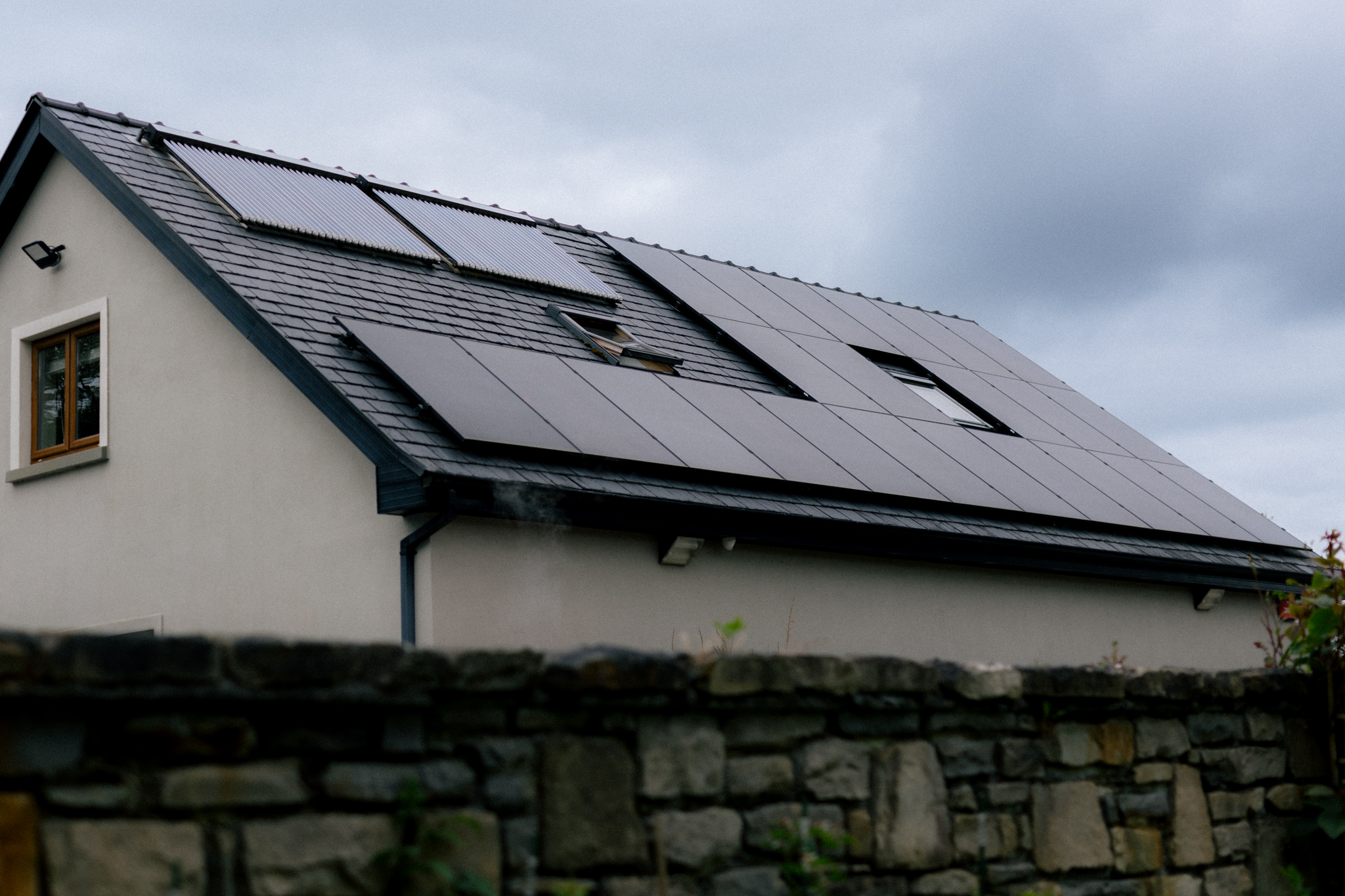
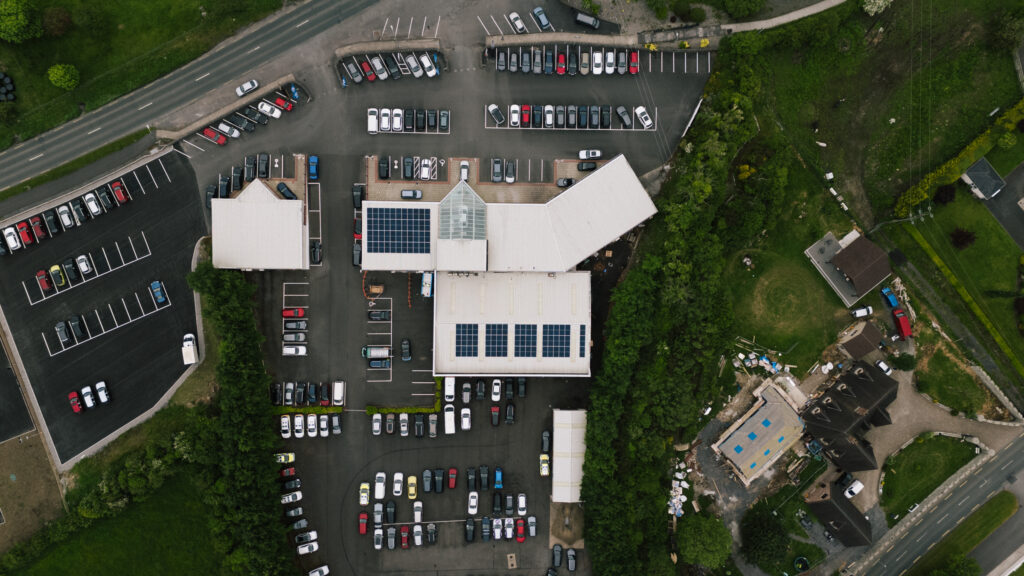
Large, unobstructed south-facing shed roofs. Minimal shading from neighbouring structures. Simple roof geometry and solid structural load capacity. A farm shed that looks unremarkable from the outside is often an ideal surface for a solar PV system, and the available roof area means you can install enough capacity to make a material difference to your electricity bills.
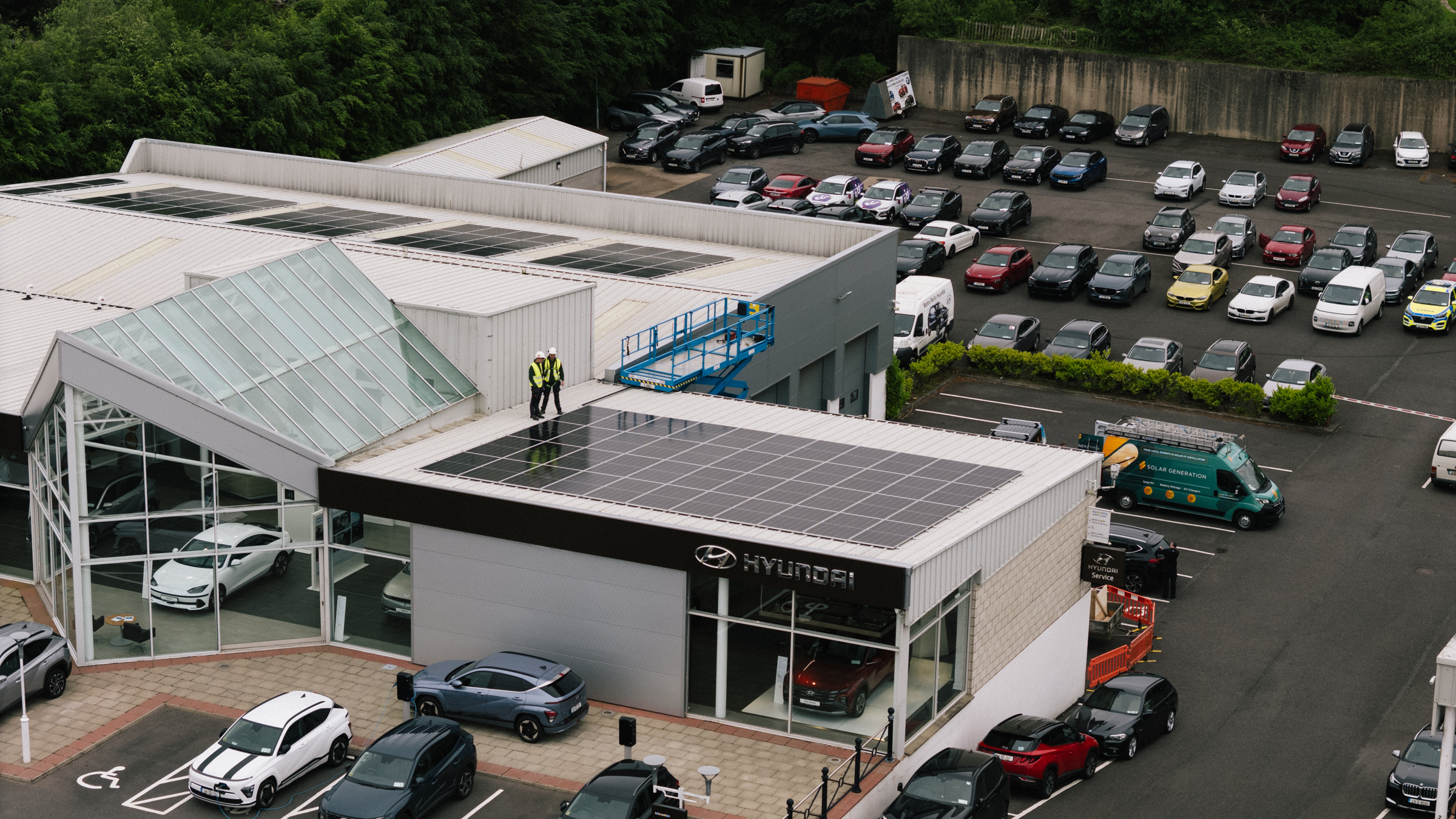
A small to medium-sized dairy or beef operation typically installs somewhere between 20kWp and 60kWp of solar PV capacity. Larger intensive operations, including poultry units, pig units, or farms with significant refrigeration or cold storage requirements, may go considerably larger. The system is sized to your energy needs, not to a standard template.
A solar PV system consists of solar panels that convert sunlight into direct current electricity, a solar inverter that converts that into usable alternating current, and the connections to your existing supply. Three-phase electricity, standard on most modern Irish farms, is well-suited to larger agricultural solar installations.
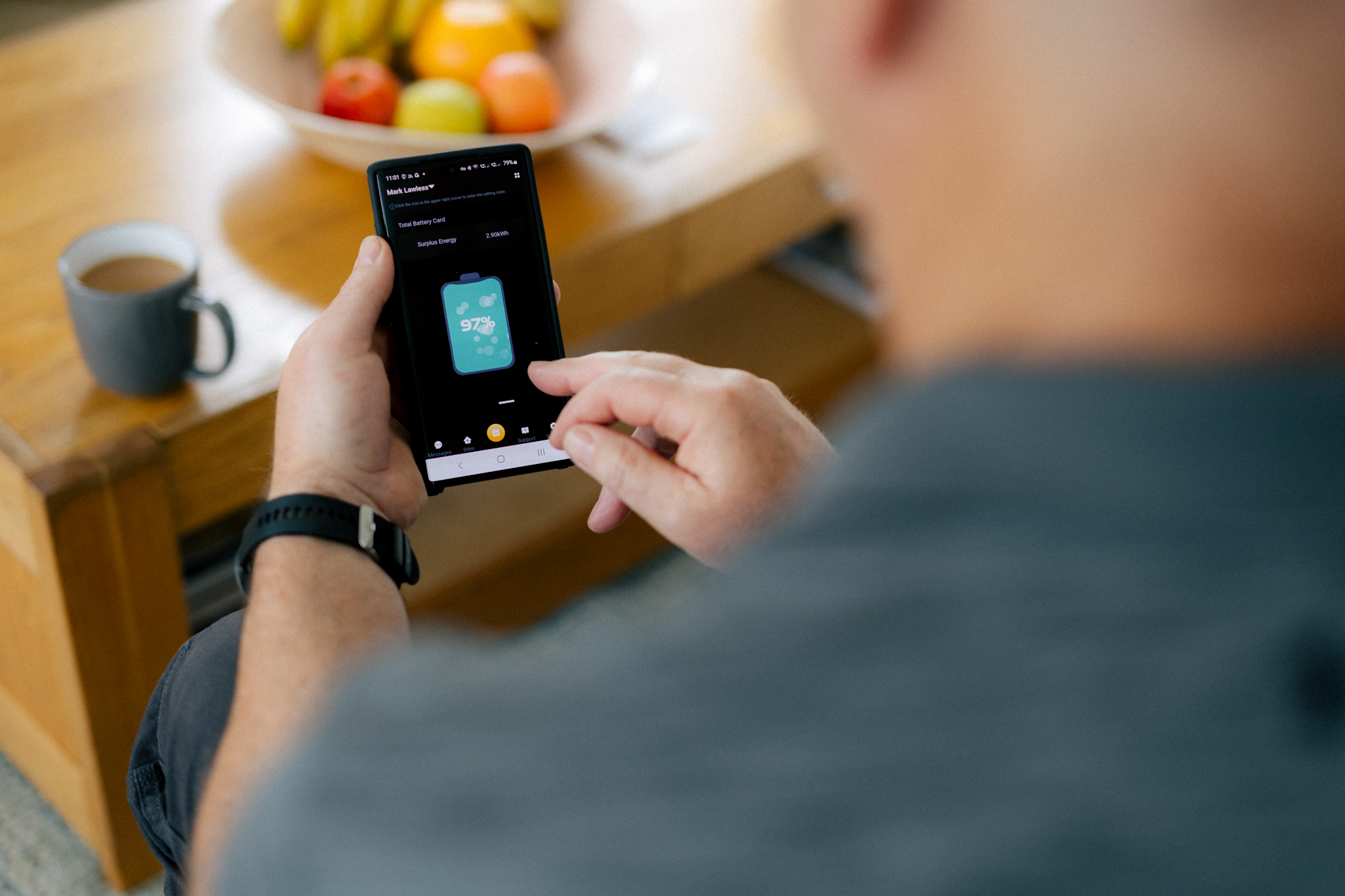
Battery energy storage is worth considering if you have significant loads running outside daylight hours: early-morning milking, automated calf feeding overnight, equipment running before sunrise. If most of your electricity consumption already falls during daylight hours, a solar-only system often delivers stronger returns than adding battery storage for its own sake. It’s a case-by-case decision.
What Solar PV Actually Costs Irish Farmers
The question every farmer asks, and rightly so.
System costs vary with size and complexity, and they shift with supply chains, so specific figures here would be misleading. What matters more is the net cost after grant support, and that’s where the TAMS grant changes the calculation substantially. Depending on the scheme rate and your eligibility, the upfront capital required after grant aid can be significantly lower than the gross system cost suggests.
Add 0% VAT, factor in the payback period, and the question stops being “can I afford this” and starts being “when does this pay for itself.” Those are very different conversations.
On payback: farms with strong daytime electricity usage and real grant support often see payback periods in the range of five to eight years. After that, the system generates electricity at effectively zero cost for the rest of its working life.
Most solar panels carry a performance warranty of 25 years. A system that pays back in seven years has 18 years of free electricity generation ahead of it. Against a backdrop of energy costs that have risen consistently for several years, locking in a proportion of your electricity at zero cost is a significant financial decision. Not just for this year’s bills. For the next two decades.
Getting Paid for What You Don’t Use: The Clean Export Guarantee
When your solar PV system generates more electricity than the farm is consuming at any given moment, that surplus flows back to the grid. Under the Clean Export Guarantee (CEG), Irish energy suppliers are required to pay you a rate per kWh for every unit exported.
The rate varies by supplier. It won’t transform your farm’s income on its own. But it means the system generates value even when demand is low. A quiet weekend in spring when the solar PV output is strong and the machinery is idle. Combined with direct savings on your electricity bills, it improves the overall return on your solar PV investment.
Does It Actually Work in the West of Ireland?
Almost every farmer in Connacht asks this. The North-West has a reputation, and it’s fair to say nobody is choosing Sligo or Donegal for the sunshine.
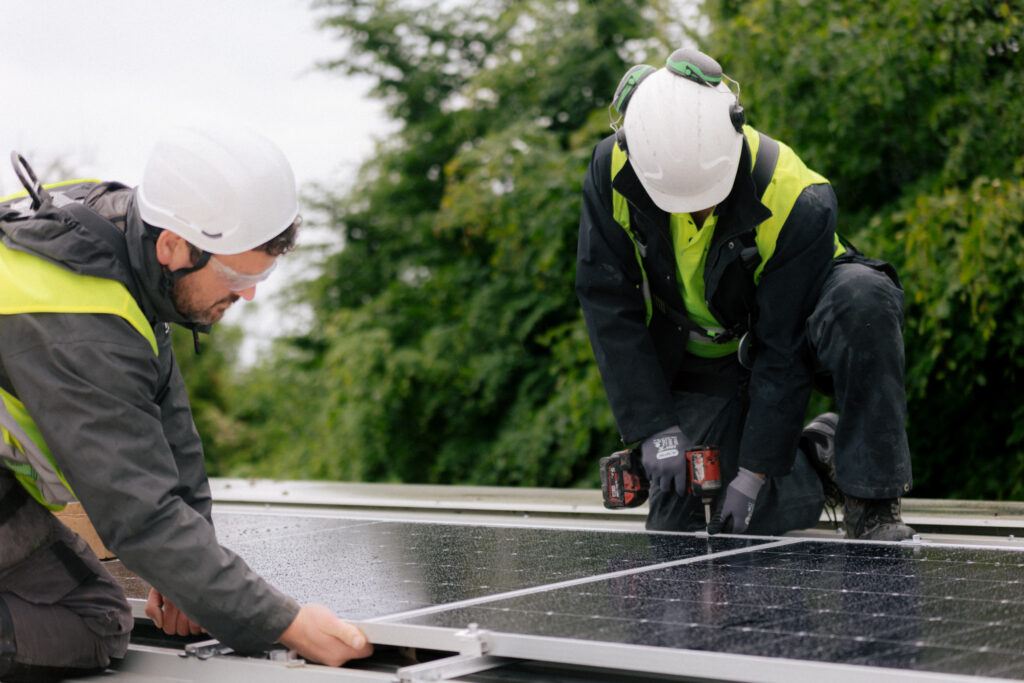
Solar PV panels don’t need direct sunlight to generate electricity. They need daylight. Modern solar photovoltaic technology generates output even on overcast days, which is the relevant baseline for the west of Ireland. Not the exception. Ireland’s west coast receives enough solar irradiance to make agricultural solar commercially viable, and the farms Solar Generation has installed across Connacht and Ulster confirm this in practice, year on year.
The key is specifying the system correctly for the location. Panel orientation, tilt angle, shading analysis, and system sizing all factor into actual output. What works in Wexford needs calibration for Donegal. An installer who knows the North-West market understands that difference.
What to Sort Out Before You Get a Quote
Pull together your electricity bills for the last 12 months before any initial conversation. The pattern of consumption, meaning when you’re drawing power and not just how much annually, tells an installer more about the right system for your farm than almost anything else.
Check the condition of the roof you’re planning to use. If your main shed is due for re-sheeting in the next couple of years, complete that first. Installing solar panels on a roof that needs structural work in 18 months eats into your returns in a way that’s easily avoided.
Verify installer credentials before signing anything. Only SEAI-registered solar PV installers can process SEAI grants on your behalf, and TAMS applications have their own requirements. These aren’t formalities. Getting them wrong is expensive.
Planning permission is generally not required for solar PV on agricultural buildings in Ireland. There are exceptions: protected structures, certain size thresholds, specific site conditions. A reputable installer will check the planning position for your buildings before you commit.

If you want an independent view before speaking to any installer, Teagasc advisory services are a useful starting point for understanding whether solar PV fits your farm’s energy profile.
Is Farm Solar Worth It in 2026?
For most Irish farms with consistent daytime electricity usage and suitable agricultural buildings, the financial case is strong. The TAMS grant or SEAI solar PV grant reduces your upfront investment. 0% VAT applies to solar panel installation. The Clean Export Guarantee pays you for electricity you don’t consume. Every unit you generate yourself is a unit you’re not buying from the grid at whatever the market rate is that day.
Not every farm stacks up the same way. A sheep operation with modest electricity usage is a different calculation to a dairy farm running equipment from 4am. The case for going solar is strongest where energy consumption is high, consistent, and happening during daylight hours. Most working farms in the North-West fit that description.
The best starting point is a conversation with a local installer who knows the North-West market, understands both TAMS and SEAI routes, and will give you a realistic picture of what the numbers look like for your specific farm.
If you’re in Sligo, Mayo, Donegal, Leitrim, Roscommon, or North Galway, request your free farm solar assessment from Solar Generation. We’ll run the actual numbers for your operation: consumption, system size, grant eligibility, payback. A clear picture of what solar PV looks like for your farm, not for an average one.