You’re thinking about solar panels for your home. Smart move. But before you commit thousands of euros to covering your roof in panels, you need to know the answer to one critical question: how much electricity will they actually generate?
Not in sunny California or southern Spain. Here. In Ireland. With our weather.
The short answer? More than you think. A typical 4 kW solar system in Ireland generates around 3,400-4,400 kWh of electricity per year, according to the Sustainable Energy Authority of Ireland (SEAI). I know that all those words and numbers might mean nothing to you, but that’s enough to cover 70-90% of what the average Irish household uses annually.
But there’s a lot more to understand if you want to make a smart decision about solar power. This guide breaks down exactly what you can expect from solar panels in Ireland, the real numbers, not the sales pitch.
Understanding Solar Panel Output: The Basics
Before we get into Irish-specific numbers, let’s clear up some jargon because the solar industry loves its technical terms.
Kilowatt-peak (kWp) is how solar systems are sized. It’s the maximum power your system can produce under perfect lab conditions. When someone says, “I have a 4 kW system,” this is what they mean. Kilowatt-hour (kWh) is the energy your system actually produces over time; it’s what you see on your electricity bill. This is what actually matters for your savings.
A 400-watt solar panel might produce 1.75-2 kWh on an average day in Ireland. That’s enough to run your washing machine for two full cycles or power your fridge for three days. The difference between kWp and kWh is important. Your system’s kWp rating is theoretical. The kWh output is what you’ll actually get.
How Much Electricity Does a Single Solar Panel Produce in Ireland?
Let’s start with one panel. Modern residential solar panels in Ireland are typically rated between 400 and 450 watts.
A single 400W panel in best-case conditions, south-facing, with a good angle, in southeast Ireland, will produce 950-1,000 kWh per year. Under average Irish conditions, you’re looking at 730-850 kWh annually. In worst-case scenarios with poor orientation in northwest Ireland, that drops to 600-730 kWh per year. On an average day, you’re looking at 1.75-2 kWh from a single 400W panel, though this varies hugely by season and weather.
What does this mean practically? One solar panel produces enough electricity daily to run a washing machine twice, power a desktop computer for 8-10 hours, charge an electric vehicle enough to drive 6-8 km, or run your fridge for 2-3 days. But here’s the thing: nobody installs just one solar panel. Most Irish homes have 10-15 panels, which completely changes the calculation.
How Much Electricity Does a Typical Solar System Generate?
The average Irish household uses about 4,200 kWh of electricity per year, according to SEAI data. Let’s look at what different system sizes can generate.
A small system with 2.4 kWp and 6-8 panels generates 2,000-2,600 kWh annually, covering 50-60% of household needs. These work best for smaller homes with lower electricity usage or limited roof space. A medium 3.2 kWp system with 8-10 panels produces 2,700-3,500 kWh per year, covering 65-80% of needs for average 3-4 bedroom homes.
A large 4 kWp system with 10-12 panels generates 3,400-4,400 kWh annually, covering 75-100% of household needs. These suit larger families or homes with electric vehicles or heat pumps. An extra-large 6 kWp system with 15-18 panels produces 5,100-6,600 kWh per year, covering 120-150%+ of needs for high electricity usage or future-proofing.
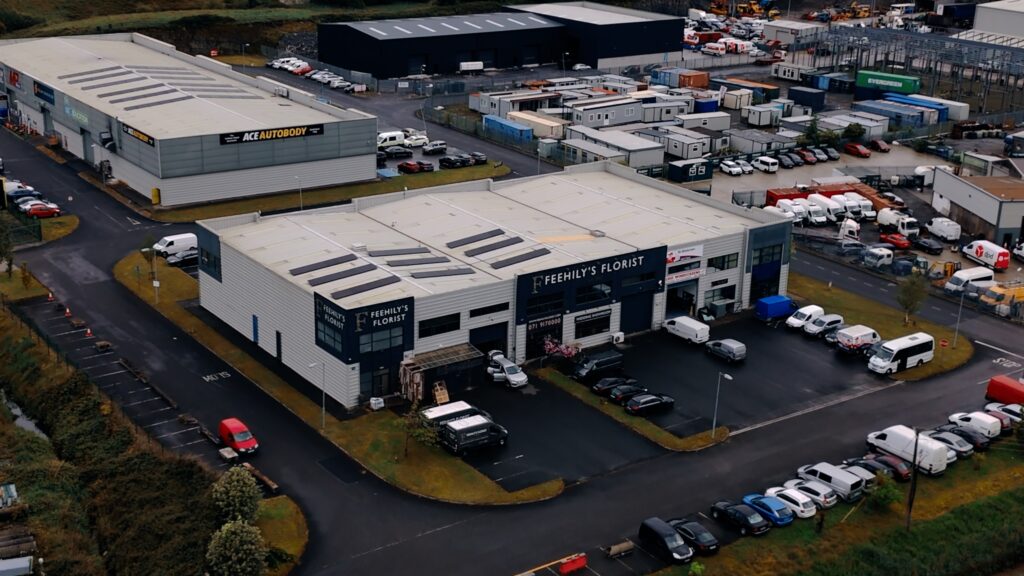
Most Solar Generation customers in the North-West of Ireland opt for systems between 3.2 kWp and 4 kWp. This sweet spot covers the majority of household electricity needs without generating excessive amounts that get exported for lower rates.
The Reality of Irish Weather: Does It Really Matter?
Everyone asks this. “But Ireland’s too cloudy for solar, right?” Wrong. Here’s why.
Modern solar panels don’t need blazing sunshine to work. They generate electricity from daylight even on overcast days. While output is lower on cloudy days (about 20-40% of peak capacity), they’re still producing. Ireland gets about 1,100-1,600 hours of usable sunlight annually, according to Met Éireann data. That’s not Arizona levels, but it’s enough.
On sunny days, panels produce 90-100% of their rated capacity. Partly cloudy conditions bring that down to 50-70%, while overcast days still manage 20-40%. Even during heavy rain, panels generate 10-25% of capacity. The key is this: over a full year, a well-installed solar system in Ireland performs at 75-85% of its theoretical maximum. That performance ratio is actually decent compared to global standards.

Regional Differences Across Ireland
Not all Irish counties get the same sunlight. Location does make a difference, just not as much as you might think. For a 1 kWp system, the southeast counties like Wexford and Waterford generate 950-1,000 kWh per year. Moving to the east, including Dublin, Meath, and Louth, that drops slightly to 900-950 kWh annually. South and southwest Cork, Kerry, and Limerick produce 870-920 kWh per year.
The midlands counties of Laois, Offaly, and Westmeath generate 850-900 kWh annually. Western counties including Galway, Mayo, and Clare produce 820-870 kWh per year. The northwest region covering Sligo, Donegal, and Leitrim generates 800-850 kWh annually per kWp installed.
What does this mean for solar generation customers in the Northwest? A 4 kWp system in Sligo might generate 3,200-3,400 kWh annually, while the same system in Wexford would generate 3,800-4,000 kWh. That’s about a 15-18% difference. Sounds significant? It is, but it’s not a deal-breaker. Here’s why: a system in Sligo still covers 75-80% of typical household electricity needs. The payback period might be 6-7 years instead of 5-6 years. You’re still getting excellent value. And honestly, factors like roof orientation, shading, and panel quality matter more than county location.
Seasonal Variations: The Summer/Winter Reality
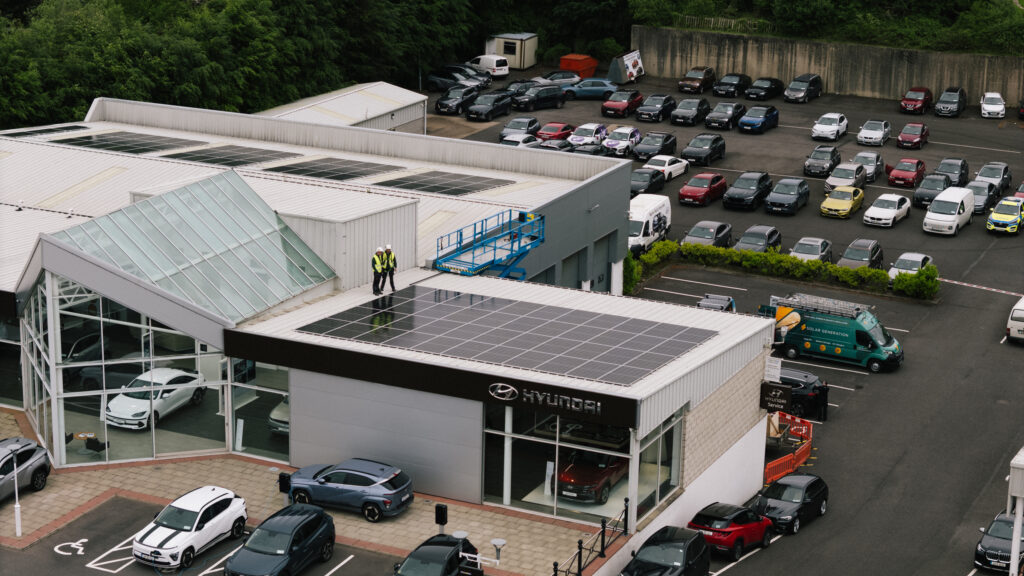
This is where Irish solar gets interesting. Your panels won’t generate consistent electricity year-round. Not even close. From May through September, you’ll generate 75% of your annual electricity. The remaining 25% gets spread across the seven months from October to April. This seasonal pattern is confirmed by SEAI research, which shows that Irish solar PV systems generate electricity during daylight hours only, predominantly around the middle of the day.
For a 4 kWp system, June is your peak month at 550-650 kWh, followed by July at 500-600 kWh and August at 450-550 kWh. December is your lowest point at just 80-120 kWh, with January bringing 100-150 kWh and February producing 150-200 kWh.
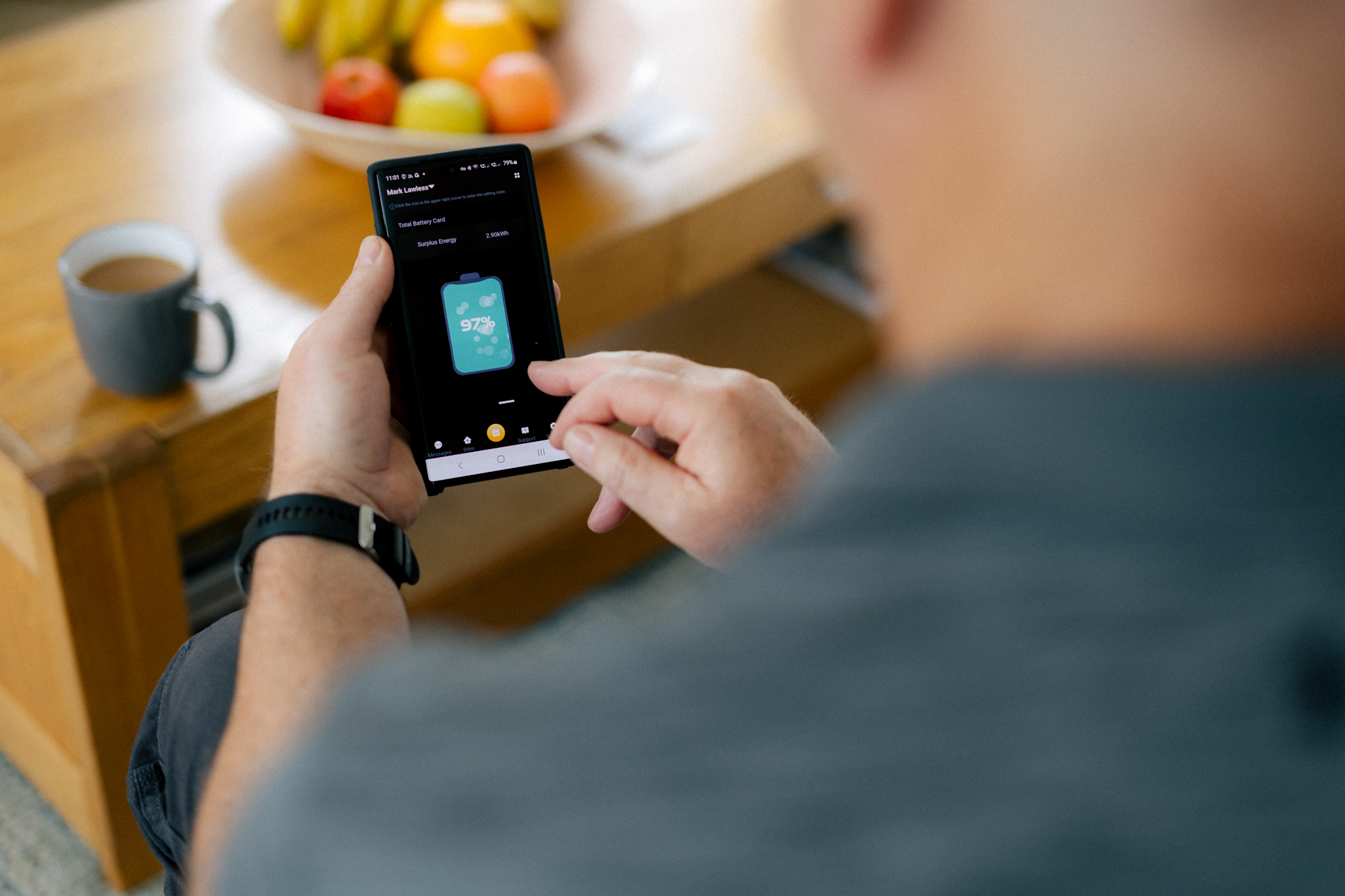
In summer, you’ll generate way more electricity than you can use. A 4 kWp system might produce 18-20 kWh on a sunny June day, while your household only uses 10-12 kWh. The excess gets exported to the grid through the Microgeneration Support Scheme. In winter, you’ll barely generate enough to make your morning coffee. On a dark December day, you might only get 2-3 kWh total, while you’re using 12-15 kWh. This is exactly why solar batteries have become so popular in Ireland.
Key Factors That Affect Your Solar Output
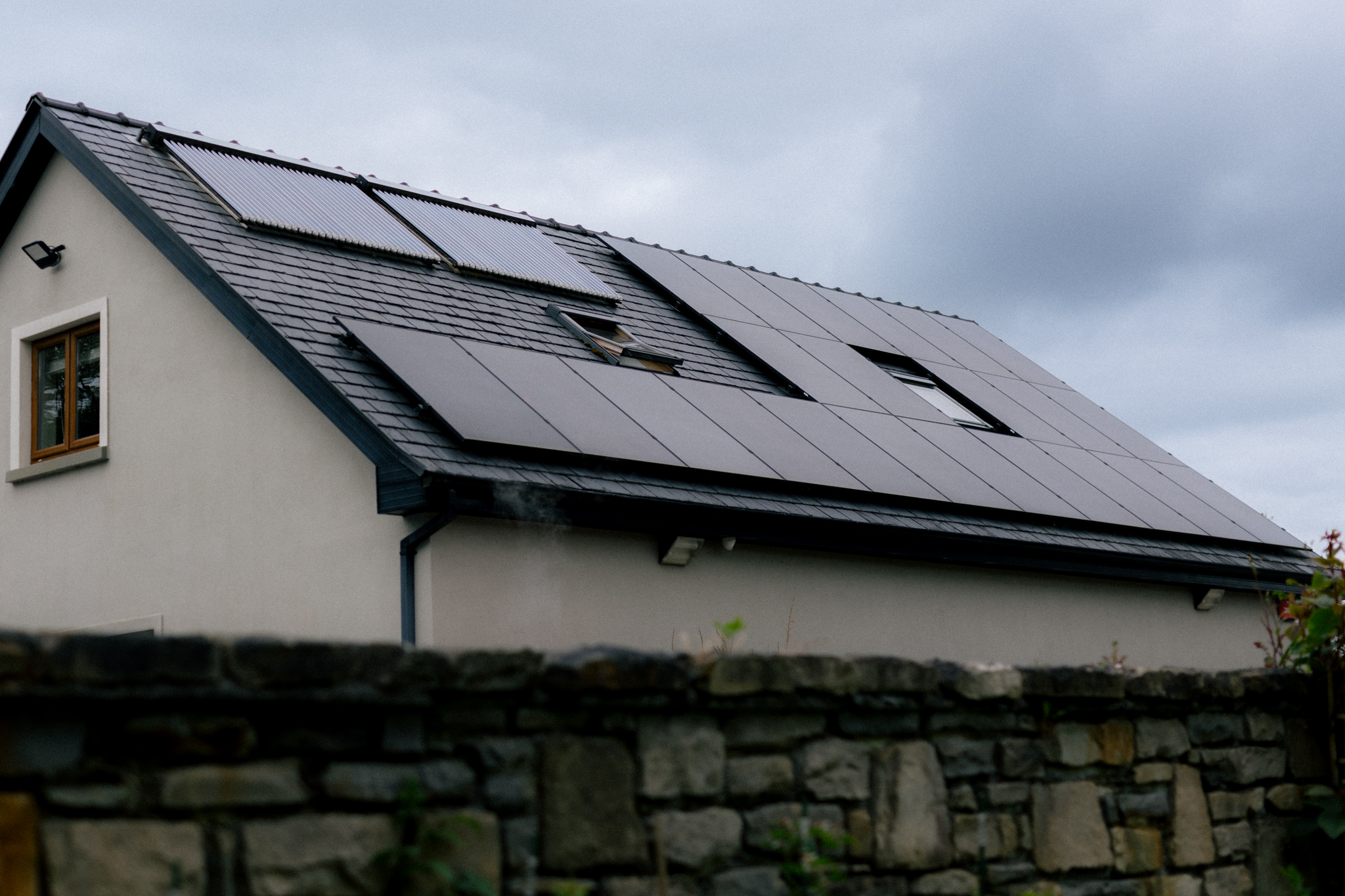
Several factors determine how much electricity your system actually generates. Roof orientation is huge. South-facing roofs are optimal in Ireland, delivering 100% of potential output. Southeast or southwest orientations still achieve 95-98% efficiency. East or west-facing roofs capture 85-90% of optimal generation, which is perfectly fine for most households. North-facing installations only manage 60-70% and generally aren’t recommended. If your roof faces east or west, you’ll still get excellent results. North-facing? You might want to consider ground-mounted panels instead.
Roof angle matters too, though less than you’d think. The ideal tilt angle in Ireland is 30-35 degrees, according to SEAI guidelines. This maximises year-round sunlight capture at Irish latitudes. Angles between 20 and 25 degrees achieve 97-99% efficiency, while 40-45 degrees still captures 96-98%. Even flat roofs at 0-10 degrees manage 85-90% output. Most Irish roofs naturally sit at 35-45 degrees, which is pretty close to optimal.
Shading is critical. Even partial shading dramatically reduces panel output. With no shading, you get 100% output. Minor shading from a small chimney or occasional tree shadow reduces output to 85-95%. Moderate shading from partial tree coverage drops you to 60-80% output. Heavy shading from large trees or nearby buildings leaves you with just 30-50% output. A professional site survey identifies shading issues and determines if solar makes sense for your property.
Panel quality varies significantly.
Not all solar panels are created equal. Panel efficiency ranges from 18% for budget panels to 22%+ for premium models. At Solar Generation, we install premium monocrystalline panels with 21-22% efficiency ratings because they generate more electricity from the same roof space and perform better in Ireland’s low-light conditions.
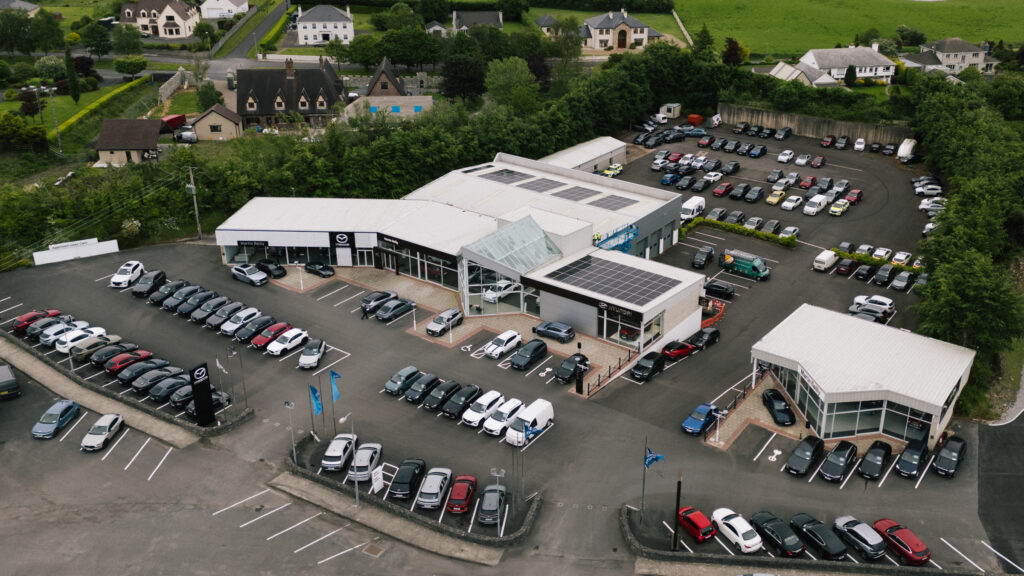
System age affects output too. Solar panels degrade at about 0.5% per year. After 10 years, your panels produce 95% of their original output. After 20 years, that’s 90%. After 25 years, you’re still at 87-88% of original capacity. Quality panels from reputable installers like Solar Generation have degradation rates closer to 0.4% annually.
Maintenance and cleanliness impact generation as well. Light dust reduces output by 2-5%, while heavy dirt or pollen can drop you 7-12%. Bird droppings cause localised 15-25% reductions. Ireland’s frequent rain keeps panels relatively clean naturally; most systems only need cleaning once every 1-2 years. Coastal properties or homes near main roads may need more frequent cleaning due to salt spray and traffic dust.
Your inverter quality matters. Inverters convert DC electricity from panels to AC electricity for your home, operating at 95-98% efficiency. A cheap inverter at 95% efficiency means losing 5% of your generation before it reaches your home. Premium inverters achieve 97-98% efficiency. Inverters last 10-15 years, shorter than panels, so budget €1,000-€1,500 for replacement during your system’s 25-year lifespan.
How Much Money Can Solar Panels Save You?
Generation numbers are interesting, but what really matters is money saved. Current Irish electricity rates in January 2026 run 32-38 cents per kWh depending on your supplier. Every kWh you use from your panels instead of buying from the grid saves you that full rate. The Microgeneration Support Scheme pays 13.5-19.5 cents per kWh for electricity you export back to the grid.

For a 4 kWp system generating 3,600 kWh annually without a battery and achieving 40% self-consumption, you’d consume 1,440 kWh yourself, saving €504, while exporting 2,160 kWh for €367 in payments. That’s €871 in total annual benefit. With a battery boosting self-consumption to 75%, you’d consume 2,700 kWh, saving €945, and export just 900 kWh for €153. Total annual benefit jumps to €1,098.
Over 25 years assuming 3% annual electricity price increases, a system without battery saves €29,000-€32,000 total. With a battery, that climbs to €36,000-€40,000. The first €400 of export income is tax-free annually through 2028, according to Revenue guidelines.
SEAI Grants: How Much Can You Get?
The Sustainable Energy Authority of Ireland (SEAI) offers grants that significantly reduce installation costs. Current rates for 2026 provide €700 per kWp for systems up to 2 kWp, then €200 per additional kWp up to 4 kWp total. The maximum grant remains at €1,800 for a 4 kWp system. Battery storage grants provide €600 per 5 kWh capacity, with a maximum of €1,800 for 15 kWh.
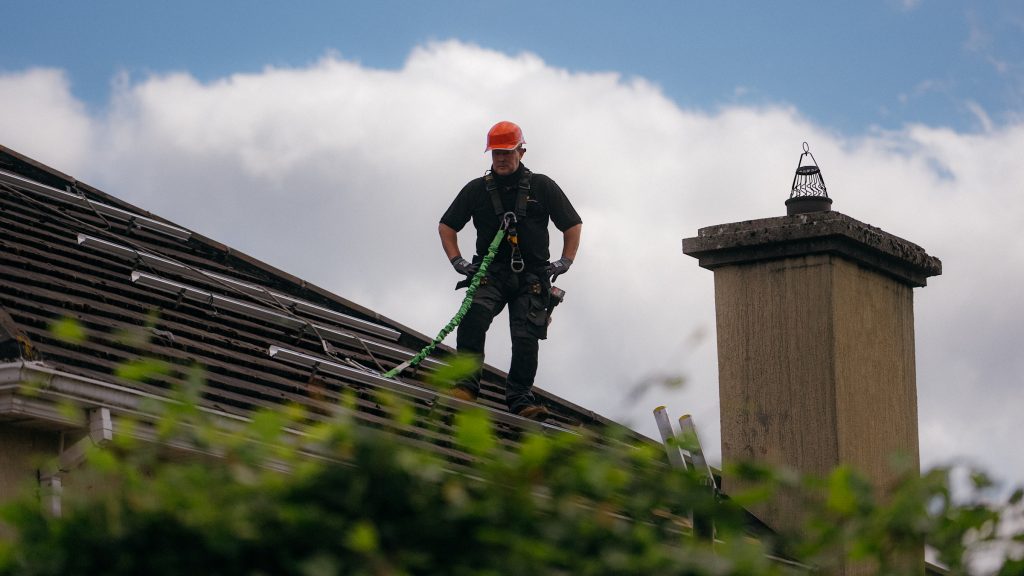
After grants, a 3 kWp system costs €7,000-€8,500, while a 4 kWp system runs €8,500-€10,000. Adding a 10 kWh battery to a 4 kWp system brings the total to €12,000-€14,000. To qualify, your home must have been built and occupied before December 31, 2020, you must be the property owner, and an SEAI-registered installer like Solar Generation must complete the work. A BER assessment is required after installation. Most of our North-West customers receive the full grant amount. We handle the application process and can deduct the grant from your final bill.
Real-World Performance: What Our Customers See
A 4 kWp south-facing system in Sligo generates 3,350 kWh annually for a household consuming 4,100 kWh total. With a 5 kWh battery achieving 72% self-consumption, grid electricity purchases drop from 4,100 kWh to just 1,500 kWh, saving €950 annually. In Donegal, a 3.2 kWp southeast-facing system generates 2,680 kWh for a household using 3,600 kWh. Battery storage enables 68% self-consumption, reducing grid purchases to 1,680 kWh and saving €720 per year.
A larger 6 kWp system in Roscommon with south- and west-facing panels generates 5,100 kWh for a household consuming 6,800 kWh, including EV charging. A 10 kWh battery achieves 78% self-consumption, dropping grid purchases from 6,800 kWh to 2,920 kWh and saving €1,380 annually.
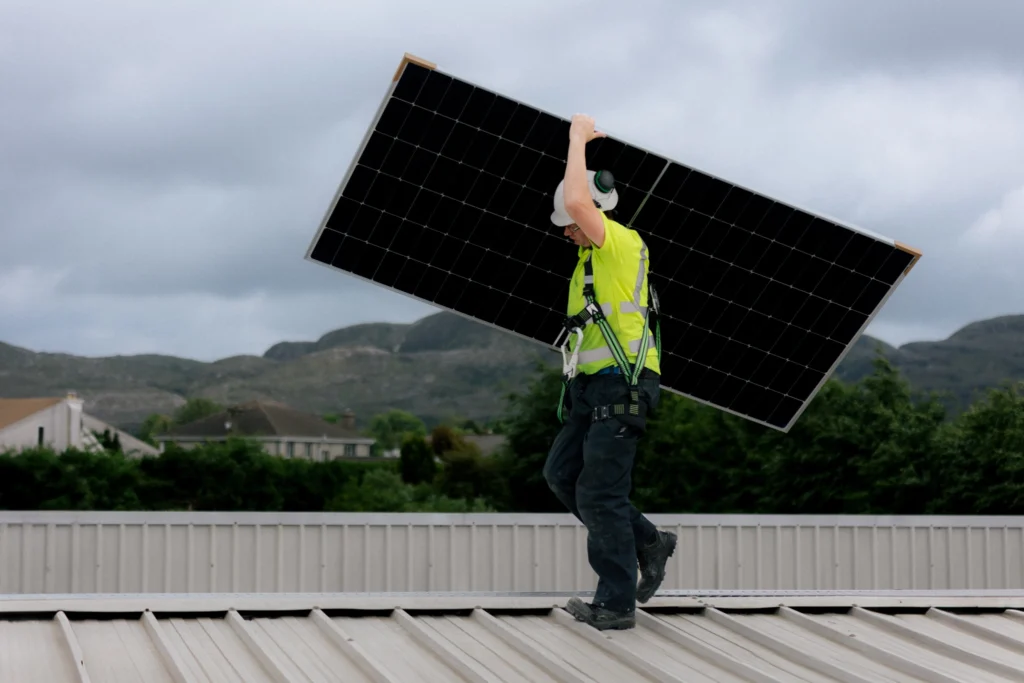
These are real installations we’ve completed in the past 18 months. Results vary, but the pattern is consistent: well-designed systems in the North-West generate enough electricity to cover 65-85% of household needs.
Is Solar Right for Your Home?
Solar makes sense if your annual electricity bill exceeds €1,000; you plan to stay in your home for 5+ years; your roof faces south, southeast, southwest, east, or west; you have minimal shading; and your roof is structurally sound. Solar might not work if your roof faces primarily north; heavy shading covers your roof most of the day; your roof needs replacement within 5 years; you’re moving within 2-3 years; or your annual electricity usage is very low, under 2,000 kWh.
The only way to know for certain is a professional site assessment. At Solar Generation, we’ll tell you honestly if your property is a good fit for solar even if that means recommending against installation.
What Makes Solar Generation Different
We’re based in Sligo, serving Sligo, Mayo, Leitrim, Donegal, and Roscommon. We’re not a national company trying to cover the whole country; we’re your local solar specialists in the North-West. We provide free in-person site surveys, honest assessments even if solar doesn’t suit your property, premium high-efficiency panels and inverters designed for Irish conditions, full SEAI registration and grant handling, and reliable after-sales service.
We’ve installed thousands of systems across the region. We know what works in Irish conditions and what doesn’t. Read what our customers say about working with us.
Ready to Find Out What Solar Can Do for Your Home?
The numbers in this guide are averages. Your actual generation depends on your specific roof, location, and circumstances. Want to know exactly how much electricity solar panels would generate on your roof? We can tell you.
Contact Solar Generation for a free site assessment. We’ll survey your property in person, calculate your precise generation potential, show you exactly what you’d save annually, provide a detailed quote with no obligation, and handle the SEAI grant application.
Explore more about solar power in Ireland or read our latest solar news and guides on our blog.