A beginner’s guide to solar energy in Ireland
Not long ago, solar panels still felt slightly experimental in Ireland. Interesting, maybe sensible for a few people, but not exactly mainstream.
That picture has shifted fast.
In 2025, more than 34,000 Irish households installed home solar PV, making it the biggest year on record. That figure, published by the , represents a 16 percent increase on 2024 and almost 50 percent growth compared with 2023. Solar is no longer a fringe technology here. It is something ordinary households are choosing in large numbers.
So what is actually happening when those panels go on a roof? And why does it work in a country better known for clouds than clear blue skies?
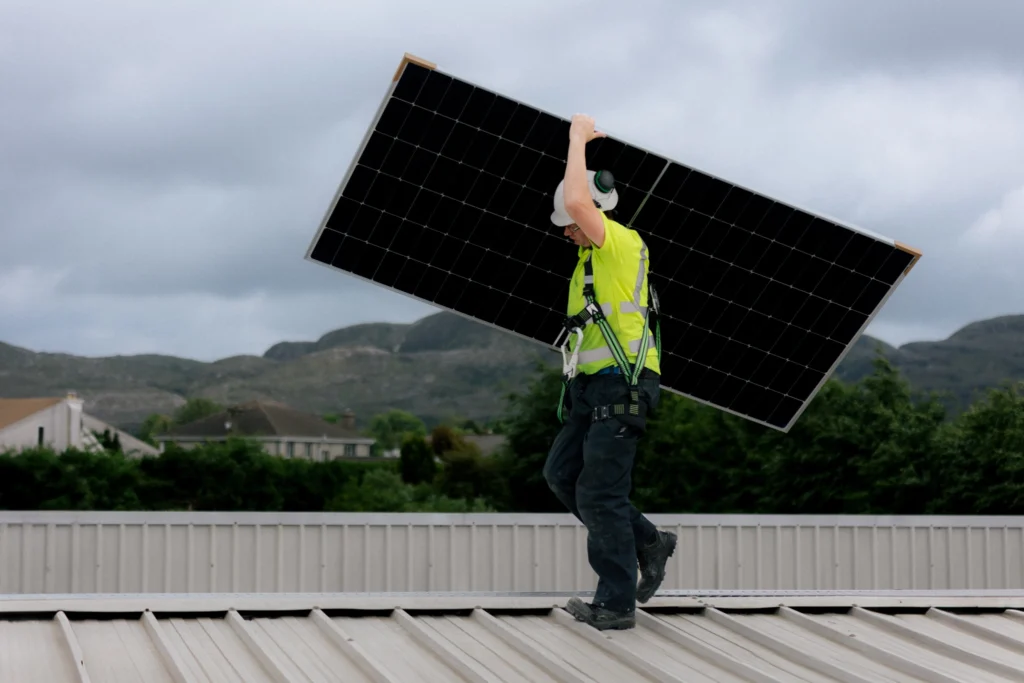
What solar energy really is
Solar energy is simply energy from daylight.
That distinction matters in Ireland. Solar panels do not rely on heat or blazing sunshine. They work by capturing light, which is why they continue producing electricity on overcast days and during bright winter afternoons.
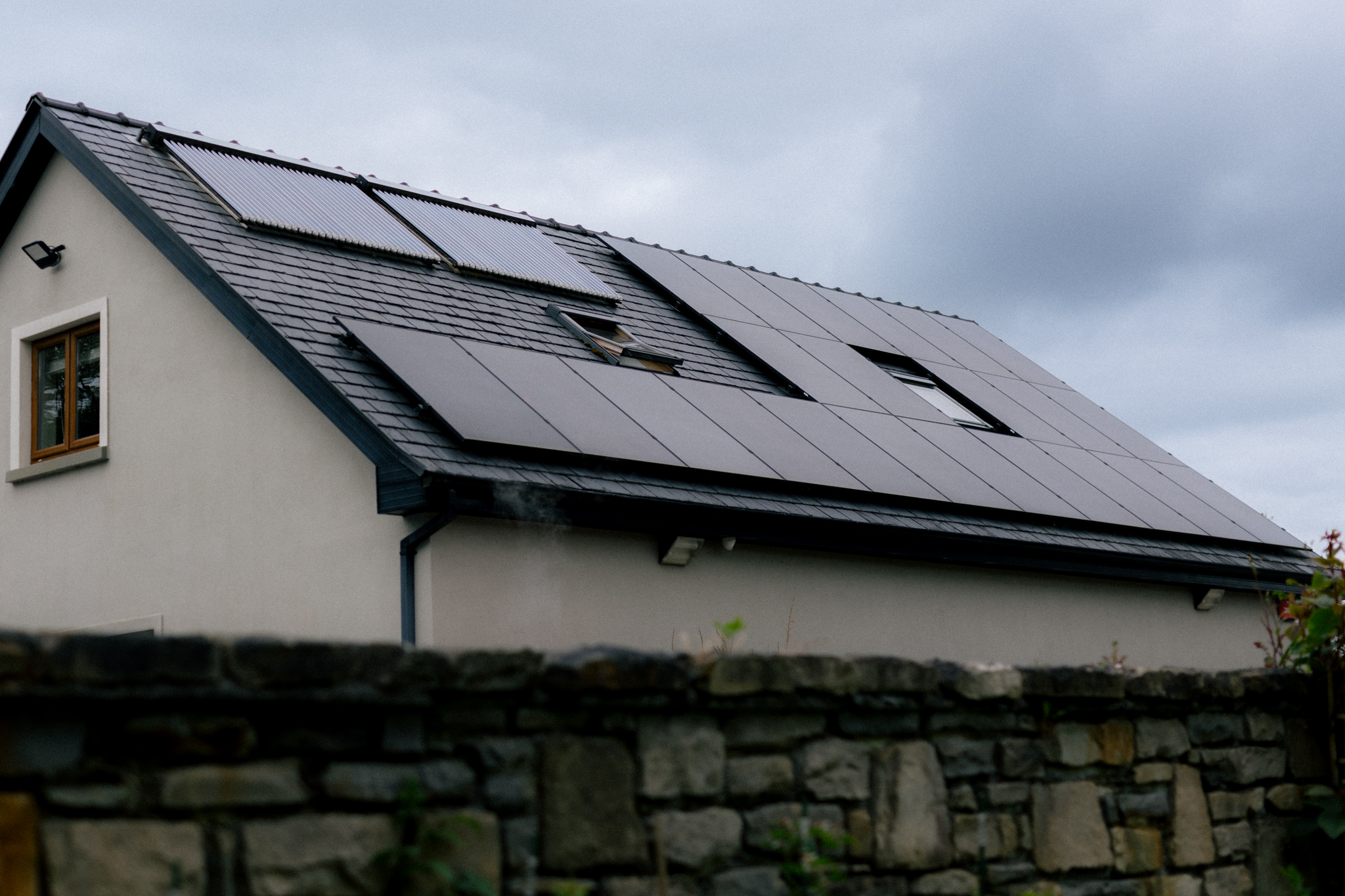
There are two main solar technologies used in Irish homes. Solar thermal systems heat water. Solar photovoltaic systems, usually just called solar PV, generate electricity. When people talk about solar panels today, they are almost always talking about solar PV.
PV systems are popular because they are flexible. The electricity they generate can power appliances, heat water through an immersion diverter, charge a battery, or be exported back to the grid.
What a solar panel does on your roof
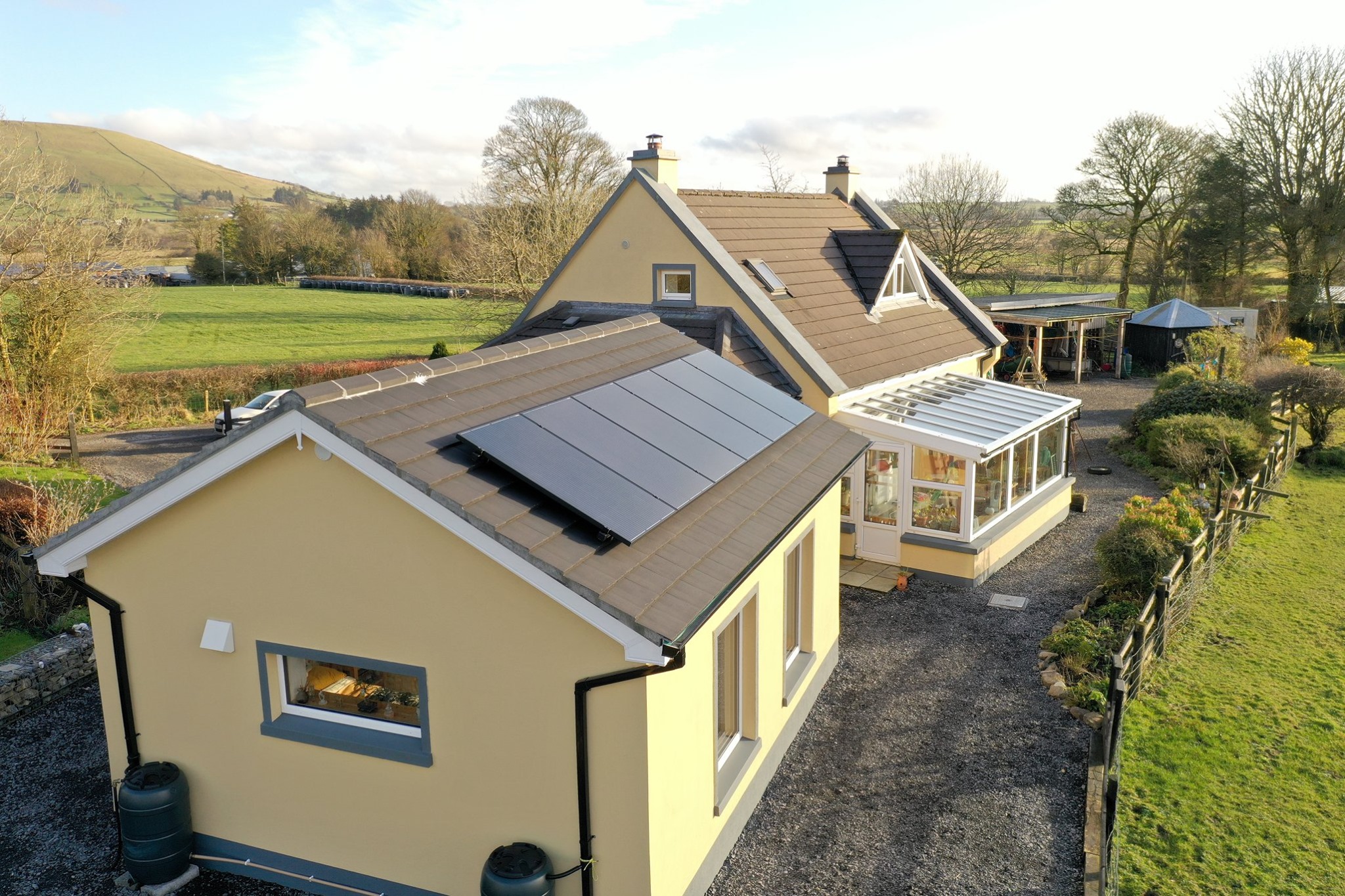
A solar panel is a sealed unit that sits on your roof. Inside it are dozens of photovoltaic cells, usually made from silicon.
Silicon behaves in a useful way when light hits it. The light frees electrons inside the material, and those electrons begin to move. That movement is electricity.
From the ground, solar panels look static and silent. In reality, whenever there is daylight, they are actively producing power.
How sunlight becomes usable electricity
The process behind solar panels is known as the photovoltaic effect, but the practical side is simple.
Daylight hits the panel and creates an electrical current. That electricity leaves the panel as direct current, or DC. Homes do not run on DC power, so every system includes an inverter. The inverter converts DC into alternating current, or AC, which is what Irish homes and appliances use.
Once converted, the electricity behaves exactly like power from the grid. The fridge does not know the difference. Neither does the kettle.
Why solar panels work in Ireland
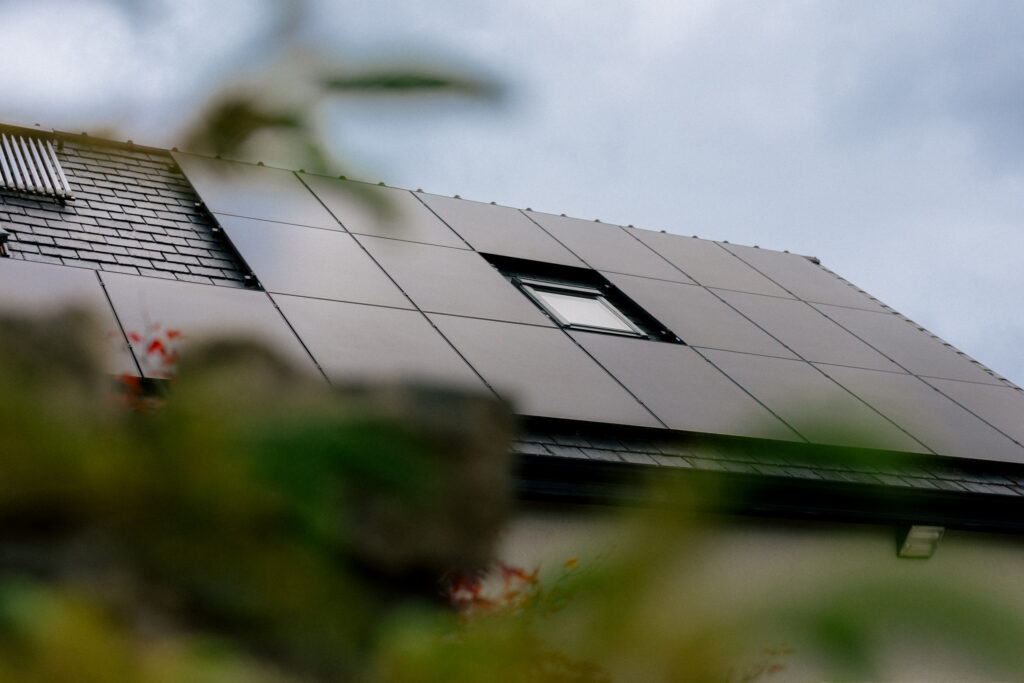
One of the biggest myths around solar is that Ireland is too cloudy.
In reality, solar panels generate electricity from daylight, not direct sunshine. Bright, clear days give the highest output, but panels still produce power on cloudy and rainy days. This is why solar works well in countries like Germany, which has a climate very similar to ours and far higher solar adoption.
Ireland’s climate actually has a few quiet advantages. Cooler temperatures help panel efficiency, and long summer daylight hours mean strong production between May and September. Around three quarters of a typical home system’s annual output is generated during those months.
Winter production is lower. That is normal. Over a full year, though, a well-sited system produces a reliable and predictable amount of electricity.
Where the electricity goes
When your solar panels produce electricity, it follows a simple order.
First, your home uses whatever power it needs at that moment. That might be lights, appliances, or an immersion heater running in the background. This is the most valuable electricity, because it directly replaces power you would otherwise buy.
If the panels are producing more than the house is using, the surplus has two options. If you have a battery, it can be stored for later use, usually in the evening. If not, the electricity flows back to the grid.
With microgeneration export payments now in place, exported electricity earns credit, further improving the economics of solar in Ireland.
At night or during very low production periods, your home simply draws power from the grid as normal. There is no switching required and no change to how appliances work.
The role of the inverter
The inverter is often described as the heart of the system.
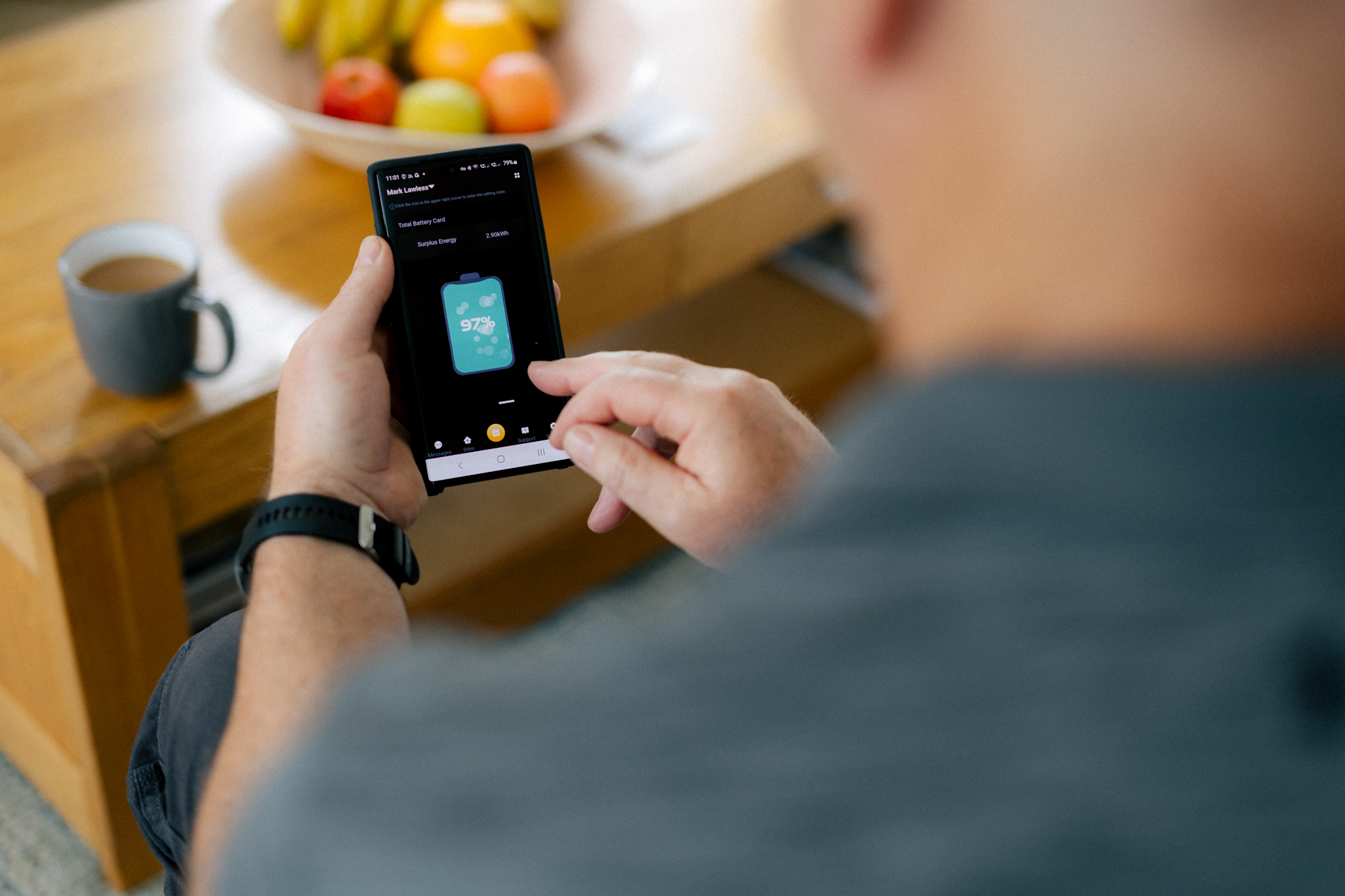
Its main job is converting DC electricity into AC electricity, but modern inverters do much more. They monitor system performance, manage battery charging if storage is installed, and provide real-time data through an app.
This is usually where people begin to engage more with their energy use. Once you can see what your panels are producing, it becomes second nature to run the washing machine or dishwasher when the sun is up.
How many panels an Irish home typically needs
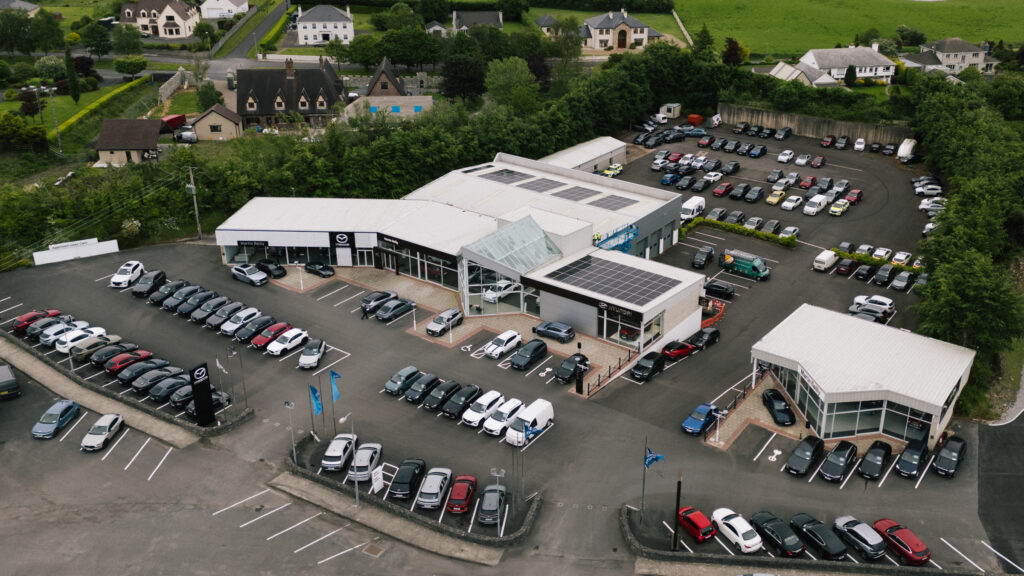
Most Irish homes install systems in the 3 to 5 kilowatt range, usually eight to sixteen roof-mounted panels.
As a rule of thumb, a well-positioned 3 kW system, covering roughly 20 square metres of roof space, can generate around 2,600 kilowatt hours per year. That is often enough to cover roughly 40 percent of an average household’s annual electricity use.
Larger systems produce more. For example, studies using Irish weather and irradiance data estimate that around ten panels in Dublin can generate close to 3,900 kilowatt hours per year, which is not far off the typical household’s total annual demand of about 4,200 kilowatt hours.
Actual results depend on roof direction, shading, and how electricity is used during the day.
Seasonal performance and expectations
Solar production in Ireland is seasonal, and it helps to understand that from the start.
Most electricity is generated between May and September, when days are long and light levels are highest. Winter production drops because days are shorter and the sun sits lower in the sky.
This does not mean solar stops working in winter. It just means expectations should be realistic. Over a full year, the numbers still stack up well.
Do solar panels work on cloudy days?
Yes, they do.
Output is lower, but it does not stop. Modern panels are designed to capture diffused light, which is common in Ireland. Performance estimates already account for cloudy conditions, which is why systems continue to make financial sense here.
As a small bonus, regular rainfall helps keep panels clean, reducing the need for manual cleaning.
Solar PV versus solar thermal
Solar PV and solar thermal are often confused, but they do different jobs.
Solar PV generates electricity. It can power your home, charge batteries, and support EV charging.
Solar thermal heats water only. It can cover a large portion of hot water demand but does not generate electricity.
Some homes use both, but PV has become the default choice because of its flexibility and wider savings potential.
How long solar panels last
Modern solar panels are designed to last 25 to 30 years.
They do not suddenly fail at the end of that period. Instead, their output slowly reduces over time. This is why manufacturers provide long performance warranties rather than simple on off guarantees.
Maintenance is minimal. Occasional inspections and keeping an eye on system performance are usually all that is required.
Costs, savings, and payback in Ireland
While sunlight is free, installing solar panels is not.
A simple home system of six to eight panels has historically cost in the region of €4,000 before grants, with government support bringing that closer to €3,000. Larger systems cost more, but they also deliver higher savings.
With current electricity prices, many homeowners now see payback periods in the five to seven year range, depending on usage patterns, grants, and whether a battery is installed. After that, the electricity your panels generate is effectively free.
Why solar adoption is accelerating
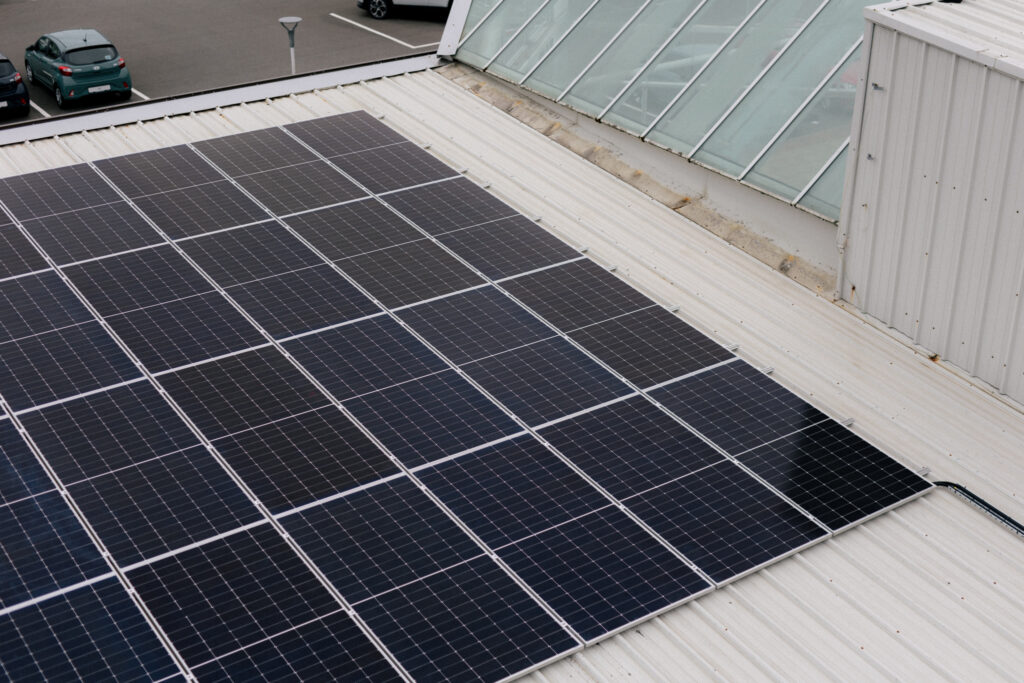
The growth in solar installations is not just about technology.
Falling equipment costs, reliable performance data, and strong policy support have all played a role. The SEAI grant of up to €1,800 remains available in 2026, and export payments reward households for surplus electricity.
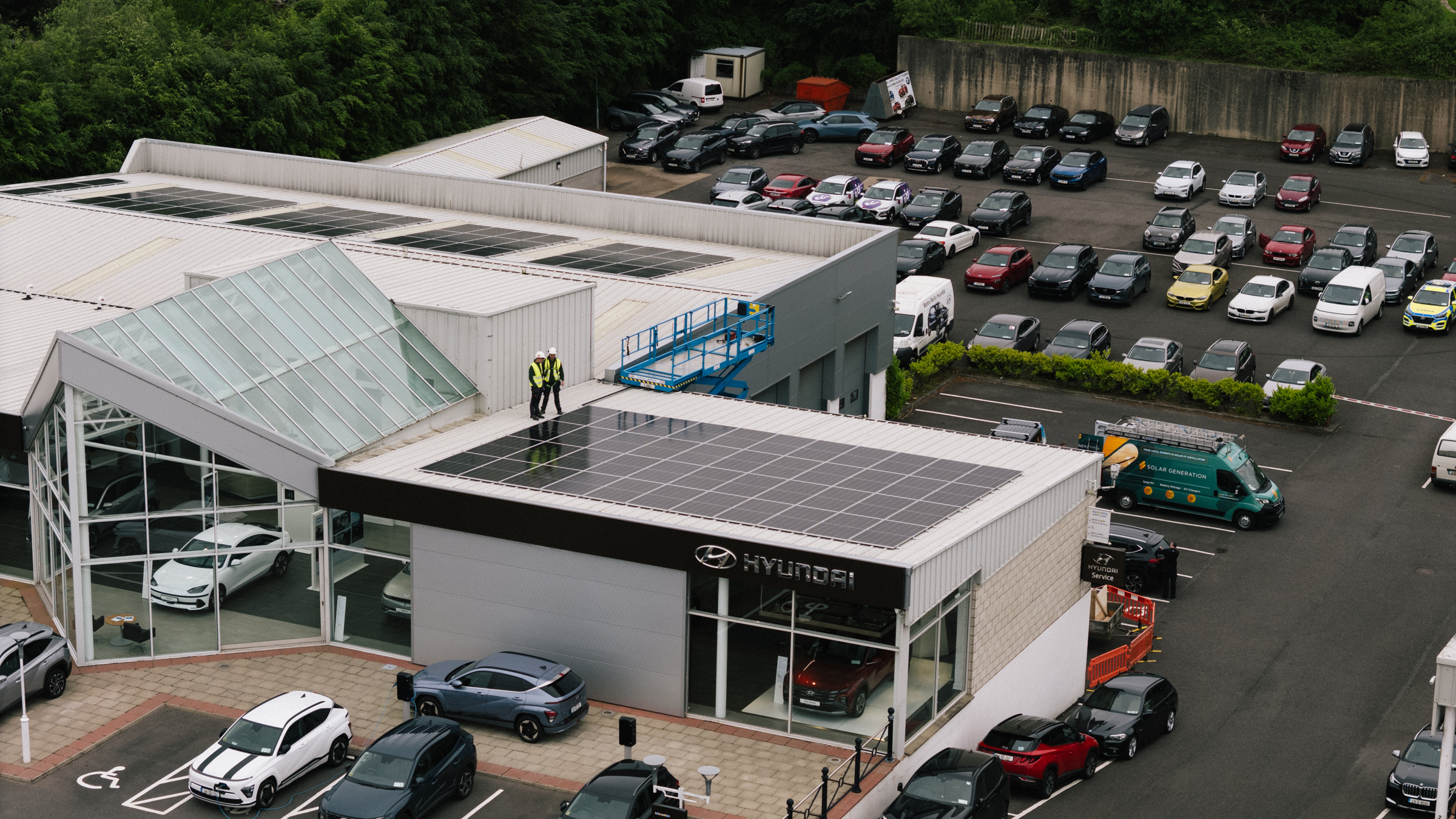
Solar is also growing beyond homes. Utility-scale solar PV supplied over 750 gigawatt hours of electricity to the Irish grid in the first seven months of 2025 alone, already surpassing the previous full-year record. Solar is becoming a meaningful part of Ireland’s electricity mix.
A final thought
Solar panels are not complicated, and they are not fragile. They quietly turn Irish daylight into electricity, day after day, in all kinds of weather.
For homeowners, the key is not chasing the biggest system or the newest gadget. It is understanding your roof, your electricity use, and how you want the system to work for you.
When those pieces line up, solar does exactly what it promises.