You’ve probably looked at your electricity bill recently and thought enough is enough. Between rising unit rates and the constant drizzle doing nothing for your mood, solar panels have gone from a vague “someday” idea to something worth seriously looking at.
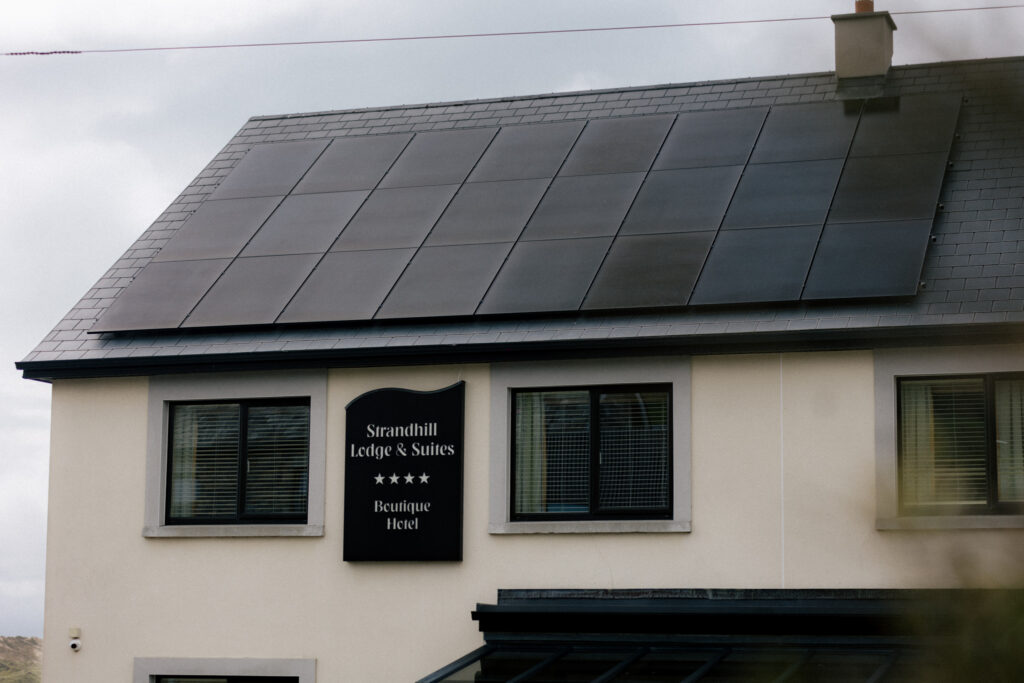
So how many solar panels do you need? The honest answer is it depends on your home. But we’ll break it down clearly so you can walk away knowing exactly what figure to work with.
What Actually Determines How Many Panels You Need
The number of panels your home needs comes down to three things: how much electricity you use, how much roof space you have, and how much you want to generate versus how much you want to export back to the grid.
Most Irish households use between 4,000 and 5,000 kWh of electricity per year. A semi-detached home in Limerick with two working adults and two kids will sit somewhere around 4,500 kWh annually. That’s the number you need to start with.
From there, the math gets straightforward. A standard 400W solar panel in Ireland generates roughly 300 to 350 kWh per year, accounting for our actual sunlight hours rather than the optimistic figures you’d see for Spain.
How Many Solar Panels Do I Need for an Average Irish Home
For a typical 3-bedroom semi-detached house using around 4,500 kWh per year, you’d be looking at a system of 10 to 14 panels.
That equates to a system size of roughly 4kW to 5.6kW. Most installers across Ireland will quote you on a 4kW or 5kW system as the sweet spot for this type of home.
A 4kW system with 10 x 400W panels would cover roughly 50 to 60% of your annual electricity needs. Add battery storage and that figure climbs closer to 70 to 80%.
Solar Panel Numbers by Home Size

Different homes have different needs. Here’s a rough breakdown based on typical Irish household sizes and consumption patterns.
| Home Type | Annual Usage (kWh) | System Size | Number of Panels |
|---|---|---|---|
| 1-2 bed apartment / small house | 2,000 – 2,500 | 2kW – 2.5kW | 5 – 7 panels |
| 3-bed semi-detached | 4,000 – 5,000 | 4kW – 5kW | 10 – 13 panels |
| 4-bed detached | 5,000 – 7,000 | 5kW – 7kW | 13 – 18 panels |
| Large detached / farmhouse | 7,000+ | 8kW – 10kW+ | 20 – 25+ panels |
These figures assume modern 400W panels, which are the current standard. If an installer quotes you on 350W panels, you’d need one or two extra to hit the same output.
Your Roof Makes a Big Difference
You might want 14 panels but only have room for 10. Roof space, orientation, and shading all affect what’s actually possible.
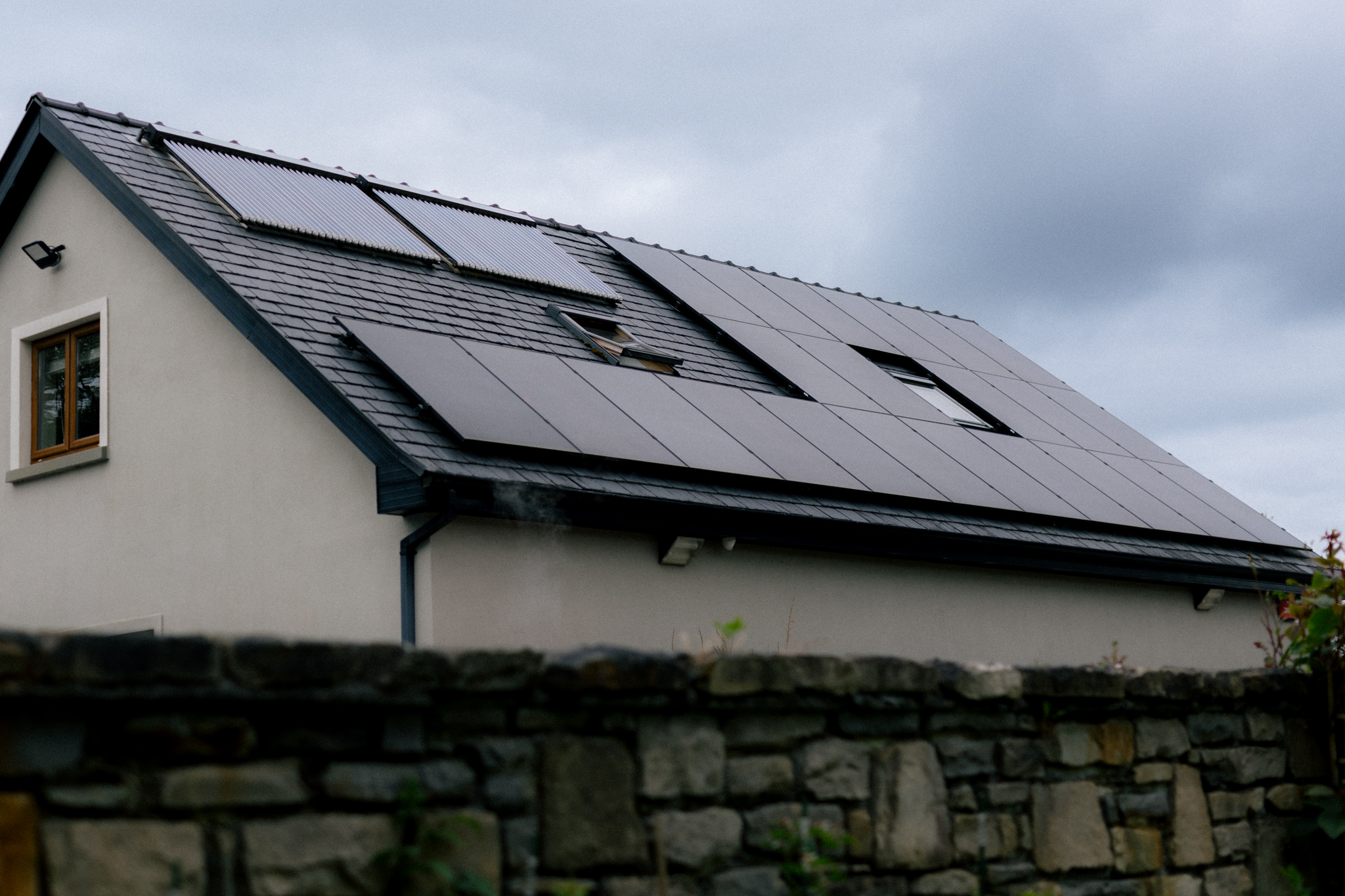
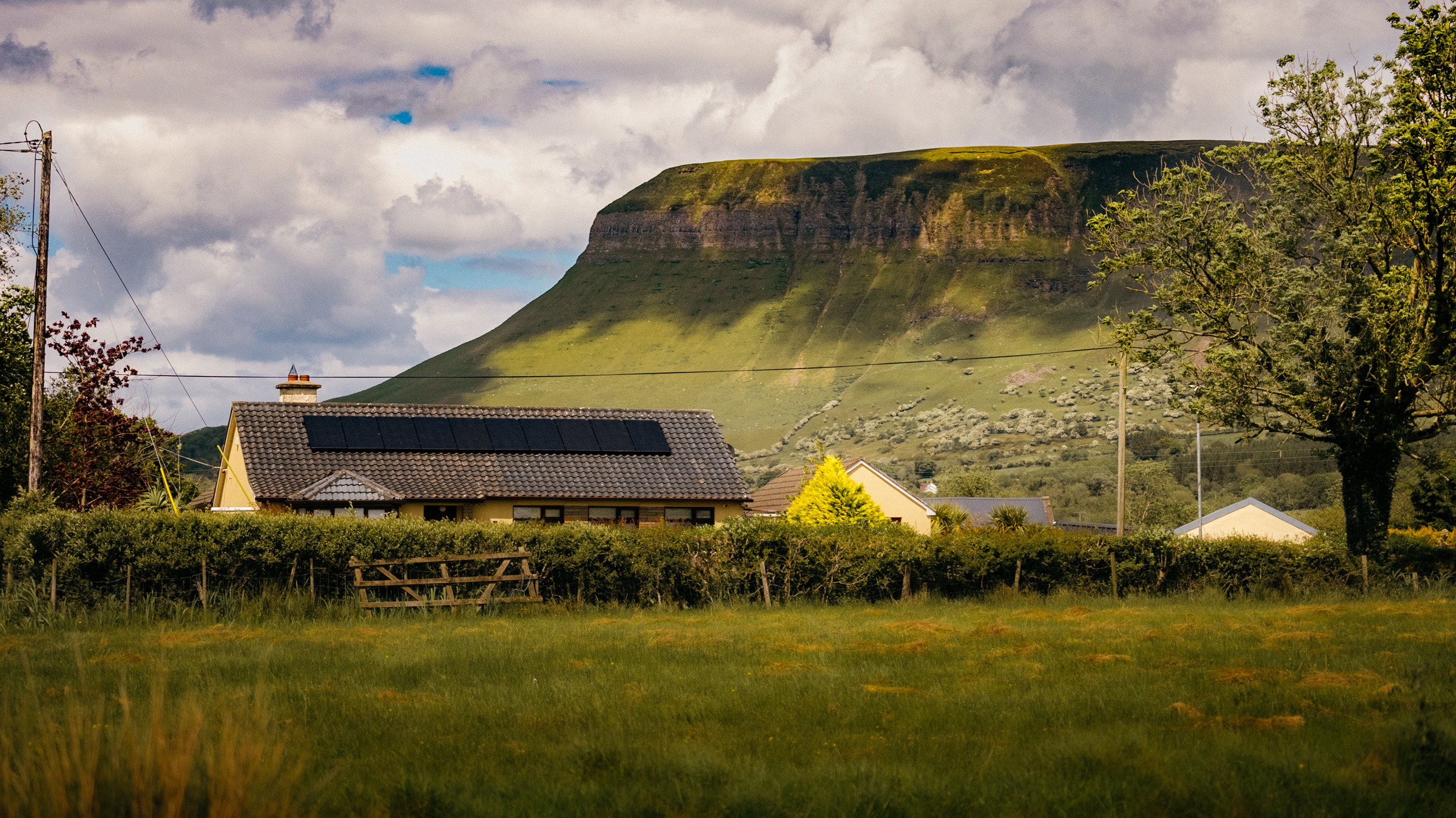
South-facing roofs in Ireland are the gold standard. They’ll generate around 20% more than an east or west-facing roof over the course of a year. A home in Cork with a south-facing pitch at 30 to 40 degrees is about as good as it gets on this island.
Each 400W panel takes up roughly 1.7m² of roof space. A 10-panel system needs around 17m². Most standard semi-detached roofs have 30 to 40m² of usable space on the rear slope, so fitting 10 to 12 panels is usually no problem.
If you have chimneys, dormer windows, or a satellite dish casting shade, your installer will account for that in the design. Shading on even one panel can reduce the output of the whole string, so placement matters.
H3: East-West Splits Are Worth Considering
If your best roof faces east or west rather than south, don’t write it off. Splitting panels across both orientations actually gives you a longer generation window across the day.
A house in Galway with 6 panels east and 6 panels west will generate power from 7am through to 7pm in summer. A pure south-facing system peaks hard around midday and tapers off faster.
Your installer can model both options. Ask to see the hourly generation graphs before you commit.
Does Battery Storage Change the Panel Count?

Adding a battery doesn’t change how many panels you need to generate power. It changes how much of that power you actually use yourself.
Without a battery, excess solar you generate during the day gets exported to the grid. You earn a small rate for that through the Clean Export Guarantee (currently around €0.135 per kWh with most suppliers). It’s not nothing, but it’s far less valuable than power you use yourself.
With a battery, you store that surplus for evening use. That changes your self-consumption rate from roughly 30% to upwards of 70 to 80%.
Most Irish homes going the battery route opt for a 5kWh to 10kWh unit. The Tesla Powerwall 3 and Pylontech batteries are popular choices right now. Prices range from about €2,000 to €5,000 installed, depending on capacity.
If you’re home during the day or have an EV charger, a battery makes even more sense. You’re capturing more of what you generate.
What a Solar System Actually Costs in Ireland in 2026
A fully installed 4kW system in Ireland will cost you roughly €6,000 to €8,000 before the SEAI grant. The SEAI Solar PV grant currently covers €900 per kWp up to 4kWp, which works out to €3,600 on a 4kW system.
After the grant, you’re typically looking at €4,000 to €5,000 out of pocket for a standard 4kW setup. Add a battery and that figure rises to €7,000 to €9,000.
The payback period without a battery tends to be 7 to 10 years. With a battery and an EV, payback can drop to 5 to 7 years for high-usage households.
Here’s a snapshot of typical costs across different system sizes:
| System Size | Gross Cost (approx.) | SEAI Grant | Net Cost (approx.) |
|---|---|---|---|
| 2kW | €3,500 – €4,500 | €1,800 | €1,700 – €2,700 |
| 4kW | €6,000 – €8,000 | €3,600 | €2,400 – €4,400 |
| 5kW | €7,500 – €9,500 | €3,600 | €3,900 – €5,900 |
| 6kW+ | €9,000 – €13,000 | €3,600 | €5,400 – €9,400 |
These are ballpark figures. Always get three quotes from SEAI-registered installers.
The New Panel Technology Worth Knowing About
The panels going onto Irish roofs in 2026 are meaningfully better than what was being installed five years ago.
Standard monocrystalline panels now hit 20 to 22% efficiency. The newest tandem cells layering silicon with perovskite material are pushing past 30% in early commercial rollouts, though they’re not yet widely available at retail level.

More relevant right now are bifacial panels, which have a glass backing that captures light reflected up from your roof surface. They’re becoming standard on larger installations and can boost output by 10 to 15% in the right conditions.
For most homeowners, a quality monocrystalline panel from a reputable brand like Jinko, LONGi, or REC will serve you perfectly well. The technology is mature and reliable.
How to Figure Out Your Number Before Calling an Installer
You don’t need to wait for a quote to get a rough idea of what you need. Here’s a simple way to work it out yourself.
Find your annual electricity consumption on your ESB Networks bill or through your My Account portal. It’s listed in kWh. Divide that number by 300. That gives you the approximate number of 400W panels needed to cover your full usage.
For example: 4,500 kWh ÷ 300 = 15 panels for full coverage. Most people don’t go that far because you’d be generating more than you need on sunny days. A system covering 50 to 70% of your usage is the practical sweet spot for most Irish homes.
You can also use the SEAI’s online solar calculator at seai.ie. It asks for your Eircode, roof orientation, and bill size and spits out a recommended system size within a few minutes.
Getting the Most From Whatever System You Choose
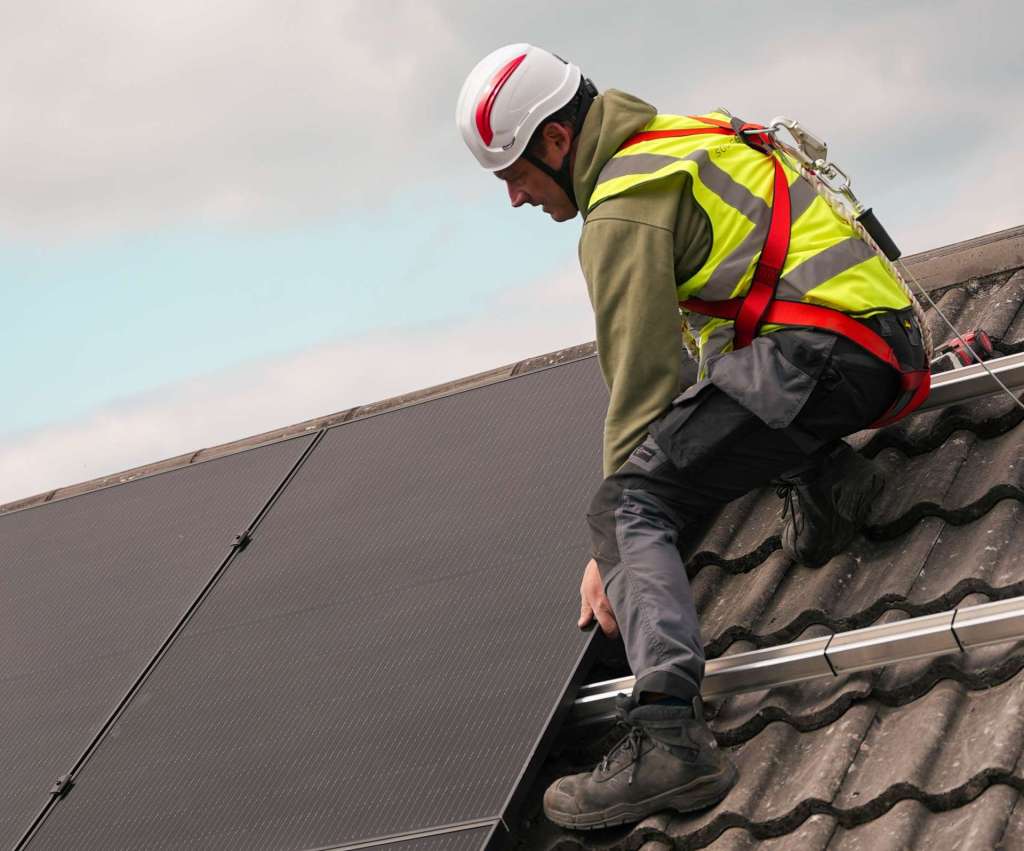
The number of panels matters less than how you use the system. A 10-panel setup used smartly will outperform a 14-panel setup where the household ignores the generation window.
Run your dishwasher, washing machine, and tumble dryer between 10am and 3pm. That’s when your panels are producing the most power. Charge your EV during the day if you can. Use a smart immersion controller to heat your hot water from surplus solar rather than exporting it at €0.135 per kWh.
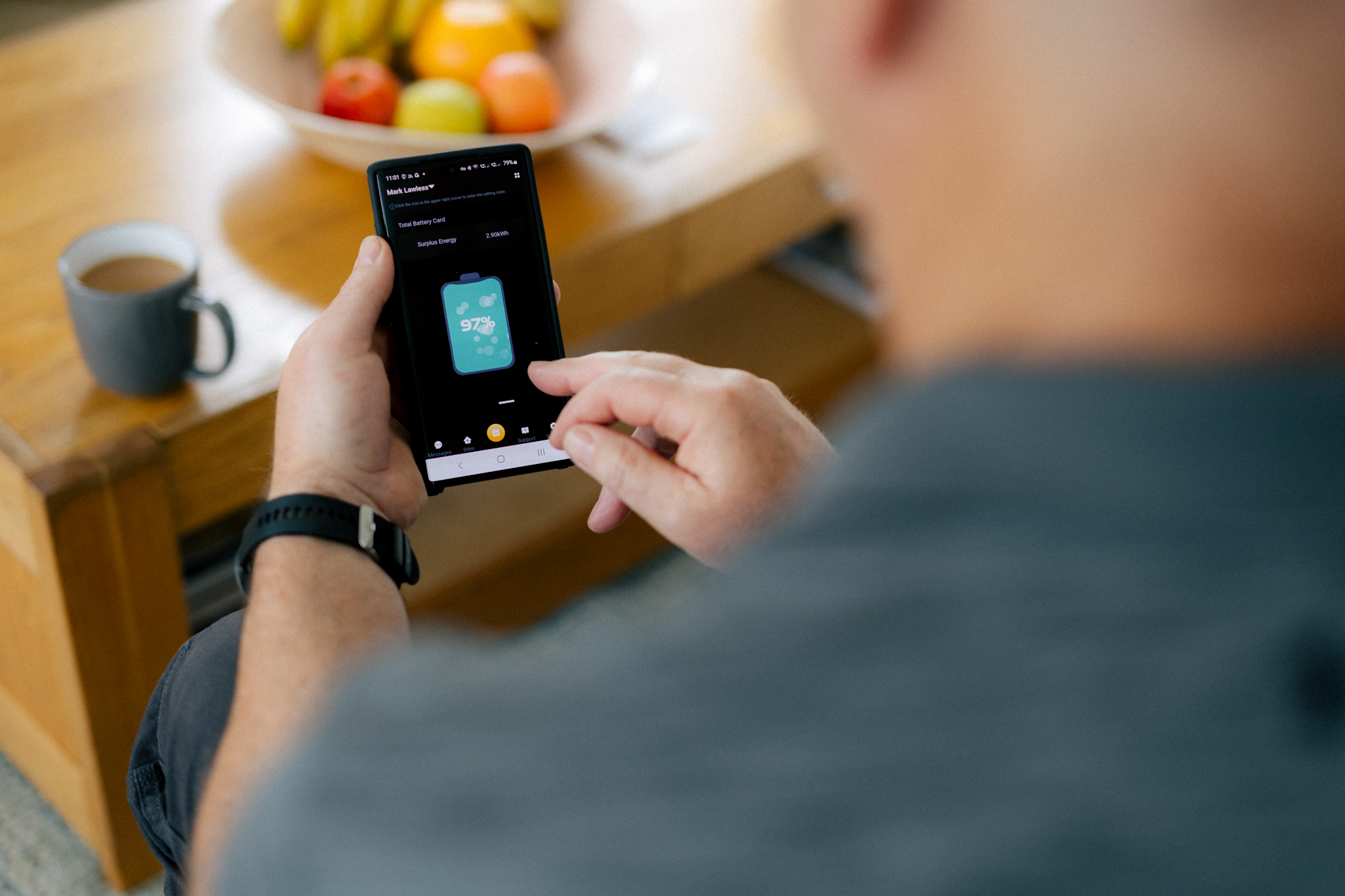
Modern systems now come with AI-driven monitoring apps that track your generation, consumption, and export in real time. Most installers will set this up for you on your phone before they leave.
How Many Solar Panels Do You Actually Need? Here’s the Short Version
For most 3-bed homes in Ireland, 10 to 14 panels on a 4kW to 5kW system is the right answer. That’s enough to make a real dent in your electricity bills, qualify for the SEAI grant, and give you a solid return within a decade.
The best next step is to pull up your last electricity bill, note your annual kWh usage, and contact two or three SEAI-registered installers for quotes. They’ll assess your roof, model your generation, and give you a system size tailored to your actual home.
If you want to understand more about battery storage options or what the SEAI grant process looks like step by step, have a look through the rest of our blog.