Short answer Yes, if you’re staying put for 6+ years.
They pay for themselves in 5-7 years, then it’s free electricity for another 20-odd years. A typical setup costs €6,500-€8,000 after grants and saves you €900-€1,200 a year. Works even when it’s cloudy, which is good because this is Ireland.
What You’ll Actually Pay
| Your House | Cost After Grants | Saves You Yearly | When It Pays Off |
|---|---|---|---|
| 2-bed (6-8 panels) | €4,500-€5,500 | €700-€850 | 7-8 years |
| 3-bed (10-12 panels) | €6,500-€8,000 | €950-€1,200 | 6-7 years |
| 4-bed (14+ panels) | €8,500-€10,000 | €1,200-€1,650 | 5-6 years |
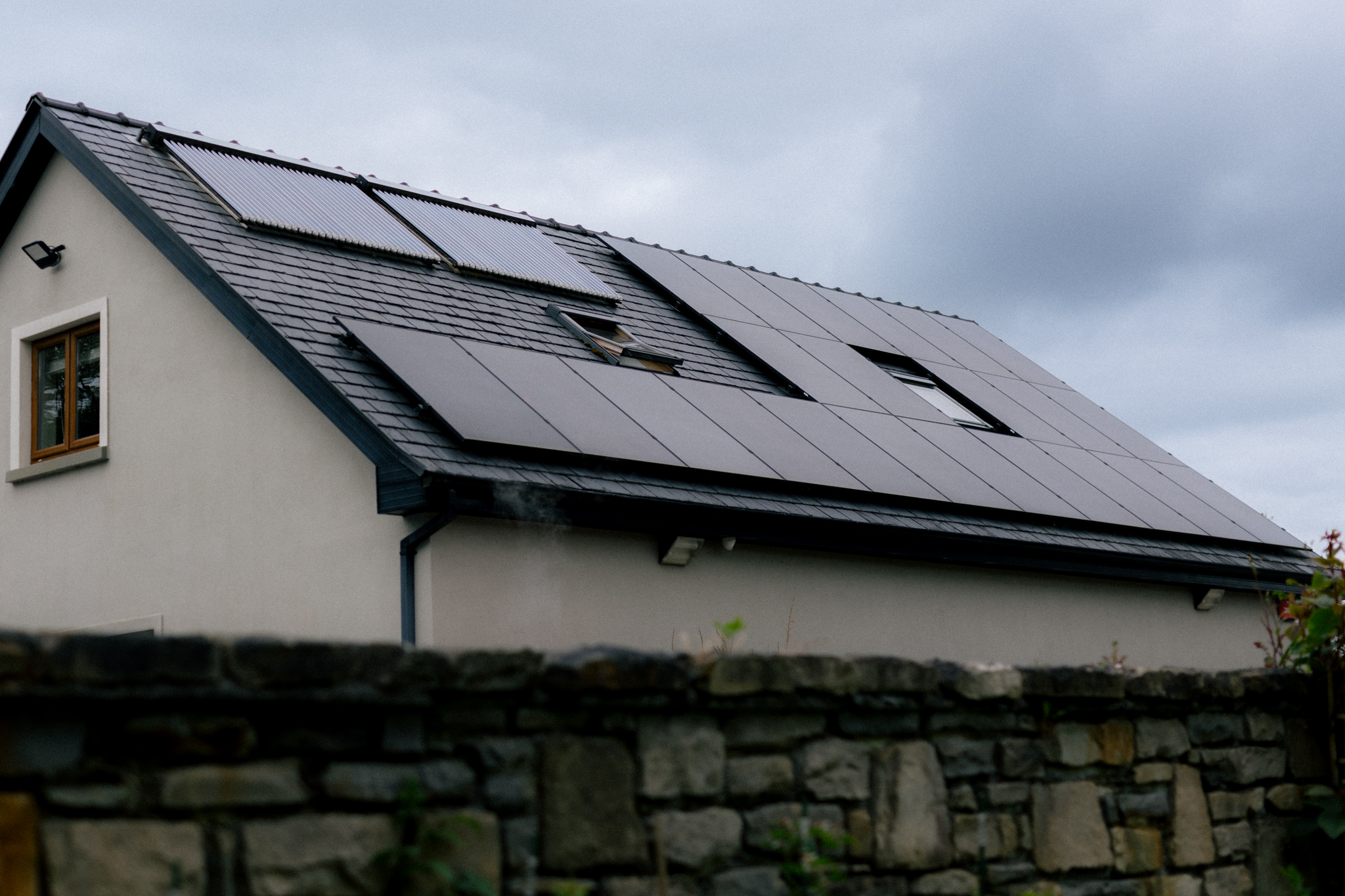
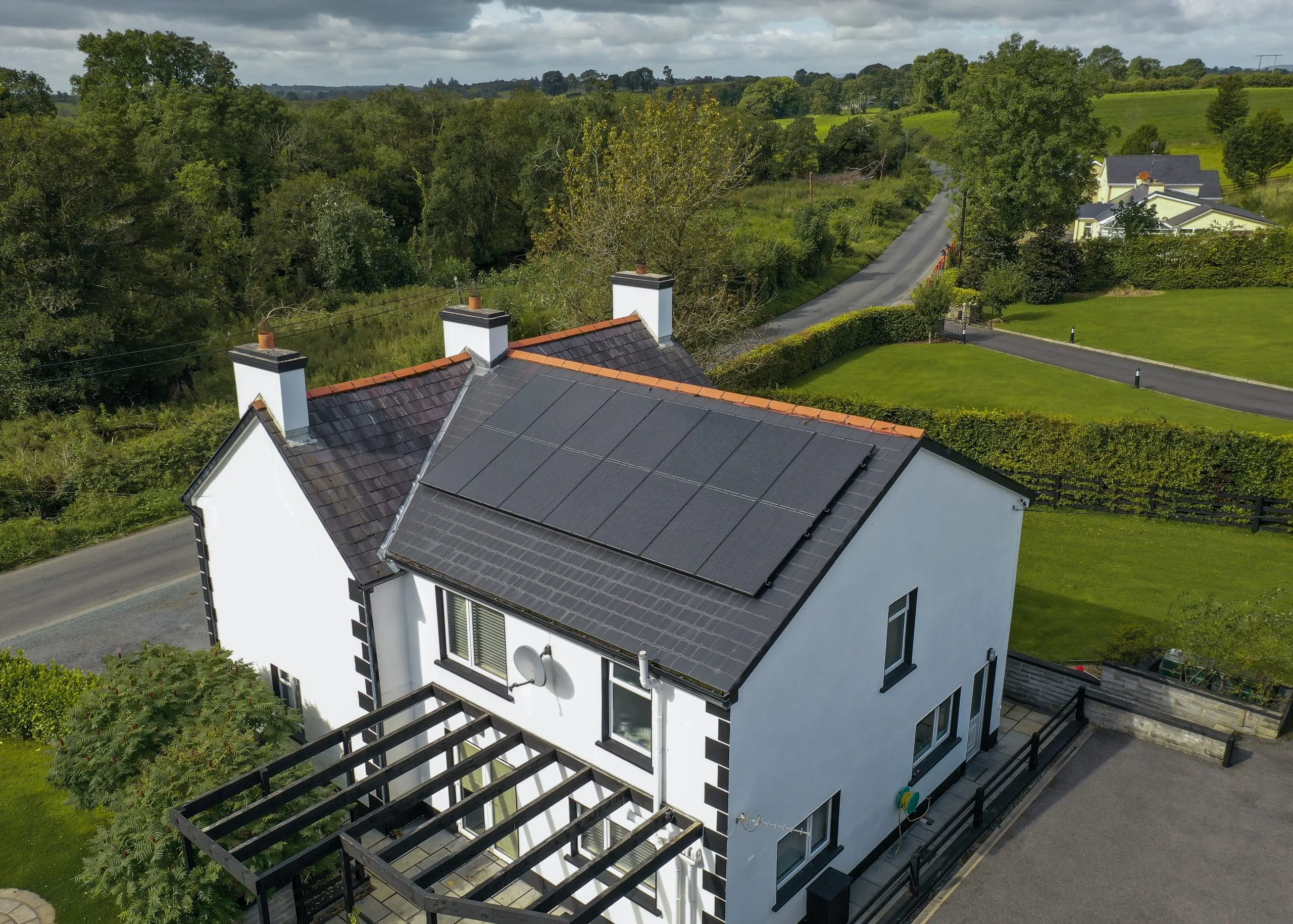
Your roof matters more than you’d think. South-facing gets about 9% more output than average. North-facing gets 30% less. East-west works fine, you just need panels on both sides. The payback takes a year or two longer if your roof faces north, but it still works.
Panel quality varies. Cheap panels might save you €1,000 upfront but they produce about 20% less over their lifetime. Modern 440W panels cost more than the old 250W ones did, but you need fewer of them. Works out cheaper overall.
Batteries add €3,000-€6,000. Worth it if you’re out during the day, probably not if you’re home. More on that in a minute.
The SEAI grant knocks €2,400 off (source). There’s also 0% VAT right now, normally it’s 23%, which saves another €1,500-€2,000 (source). That’s about €4,000 total off the price. The VAT thing ends March 31, 2027 though (source).
Does It Work in Irish Weather?
| Your County | Power Generated Yearly | Covers This Much of Your Usage |
|---|---|---|
| Roscommon | 3,700 kWh | 65-75% |
| Sligo | 3,600 kWh | 60-70% |
| Mayo | 3,550 kWh | 60-70% |
| Leitrim | 3,650 kWh | 65-70% |
| Donegal | 3,500 kWh | 55-65% |
Panels don’t need blazing sun. They work on daylight. On a cloudy day you’re still getting 20-40% of what you’d get in full sun. Ireland gets 1,100-1,600 hours of sunshine a year (source), which is enough.
A typical installation in Letterkenny with 14 panels on an east-west roof generates about 3,400 kWh a year and covers 58% of household electricity. Bills drop from €150 a month to €50.
Do You Need a Battery?
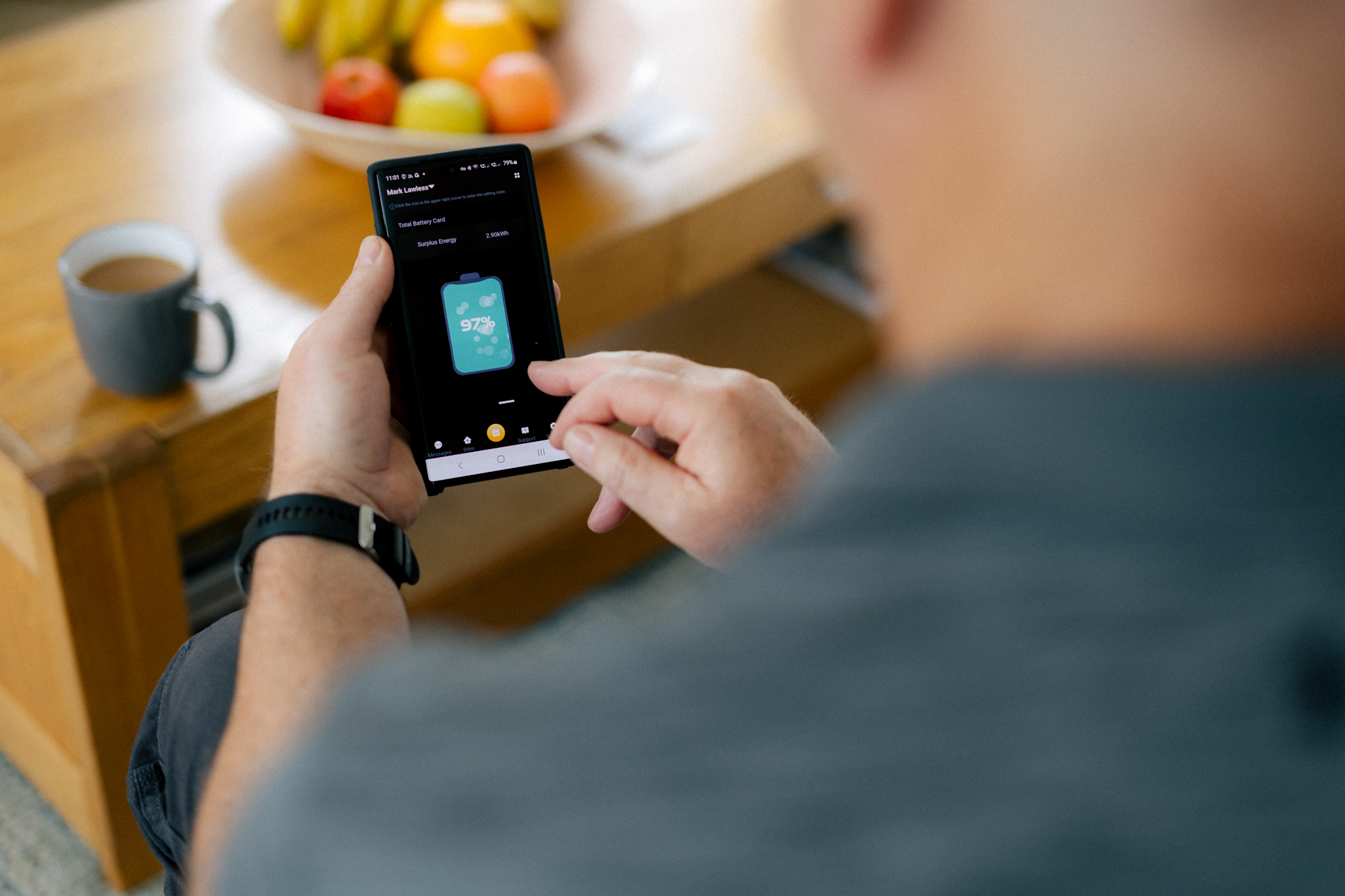
Quick test: Are you home between 9am and 4pm most days? If yeah, you’re home, skip the battery. Just use the solar as you generate it. If nope, you’re out working, get the battery. Store the power for when you’re actually home.
| No Battery | With Battery | |
|---|---|---|
| Costs | €6,500 | €9,500 |
| What happens to excess power | You sell it at 18-25c per unit | You store it for later |
| Evening power | You buy it at 35-45c per unit | You use what you stored |
| Saves yearly | €950 | €1,300 |
| When it pays off | 6.8 years | 7.3 years |
| Power during outages | Nope | Yep |
Batteries add €3,000-€6,000. The SEAI grant covers €600-€1,000 of that (source). The extra savings work out to about €300-€400 a year, so the battery pays for itself in 8-12 years. You also get backup power when the grid goes down, which happens more often than it used to.
The SEAI Grant
What you get is €2,400 for a typical 3-bed house. Who can claim it? Homeowners, house built before Dec 31 2020, use an SEAI installer, get a BER cert after. How it works is you apply at seai.ie, they approve it in about a week, you’ve got 8 months to get it done (source). Plus there’s 0% VAT that saves another €1,500-€2,000 but this ends March 31, 2027
The grant goes straight to your installer. You just pay the difference.
Getting It Installed

Total time is 6-8 weeks from first quote to generating your own power. Week one or two you’re getting quotes. Week two is the site survey, takes about an hour. Week three the grant gets approved. Week four to six you’re waiting for equipment to arrive. Week seven is installation day, panels go up in one day. Week eight you get the BER cert done and you’re switched on.
Installation takes one day for most houses. Power’s off for about 2 hours while they connect everything. If they need scaffolding it goes up first. They’re mostly working on the roof so it’s not too disruptive.
Picking Someone to Install It
Get 3 quotes. We’ve seen prices for the same house range from €7,000 to €11,000.
Red flags are not registered with SEAI, pressuring you to sign today, won’t tell you what brands they use, can’t give you references from the past year.
What to actually ask is how many have you done in the past year? You want 50 plus, not someone still learning. What panels and inverter, and why those ones? What’s included in that price? Scaffolding? Electrical work? BER cert? What warranties do I get, both on equipment and on your work?
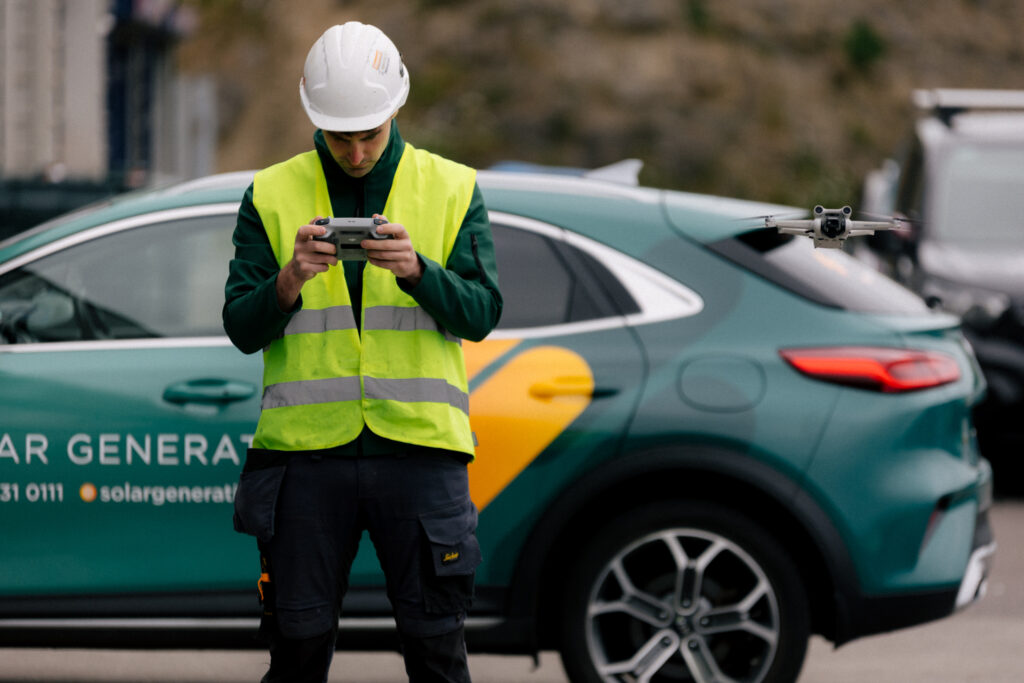
Solar Generation is based in Sligo. They’ve done 125 plus systems across the northwest in the past year. Local team, not subcontractors. Free surveys, no pressure. They respond same day if something goes wrong. All their 2024 and 2025 installations passed SEAI inspection first go.
Quick Answers

How long do they last?
Panels are guaranteed 25-30 years but often keep going for 35-40. Inverter lasts 10-15 years and costs about €1,200 to replace.
Any maintenance?
Not really. Check them every few months to make sure nothing’s broken. Rain keeps them clean.
What if I move?
Panels stay with the house and bump its value up by 3-5%. New owner gets the free electricity.
Will I still get a bill?
Yeah, but way smaller. You still pay standing charges, that’s €180-€250 yearly, plus whatever grid power you use. Most people’s bills drop from €1,200 to €300-€500.
Do they work when the power’s out?
Standard systems shut down so you don’t electrocute the ESB lads fixing the lines. Battery systems with island mode keep working but cost extra.
Can I get a loan for it?
Yep. AIB, Bank of Ireland, PTSB all do green loans at 6-8%.
What if the installer goes bust?
Panel warranties come from the manufacturer, so you’re covered there. This is why you pick established local companies.
Selling Power Back
If you make more than you use, you can sell it. Pinergy pays 25c per unit. Energia pays 20c. Flogas pays 20c. Electric Ireland and SSE Airtricity pay 19.5c. Bord Gáis pays 18.5c.
You’re buying power at 35-45c but only getting 18-25c when you sell it back. That’s why batteries make sense. You store it yourself instead of selling it cheap and buying it dear later.
First €400 a year from selling power is tax-free.
What You Save Over the Long Run

Say you spend €7,000 after grants and you’re saving €1,000 a year. Years one to six you’re paying it off. Year seven you break even. Years eight to thirty that’s all savings. Around year twelve you’ll replace the inverter for €1,200. Total saved over 30 years is €24,000-€28,000.
That’s assuming electricity prices stay flat. They won’t. They’ve gone up 36.6% from 2023 to 2024 in Ireland (source). If they keep climbing, you’ll save more.
Should You Actually Do This?
Do it if you’re paying €1,000 plus yearly for electricity, you’re staying in the house 6 plus years, your roof’s in decent nick and not completely in shade, and you can afford €5,000-€10,000 or get a loan.
Don’t bother if you’re renting or moving soon, your roof needs major work, you’ve got massive trees blocking sun all day, or your bills are under €600 yearly. Not enough usage to justify it in that case.
Next Steps
Check if you qualify at seai.ie, takes 2 minutes. Get 3 quotes from SEAI-registered installers. Compare them on what equipment, what’s included, what warranties. Pick one, apply for the grant, get it done.
If you’re in the northwest, that’s Sligo, Mayo, Leitrim, Donegal, Roscommon, Solar Generation does free surveys. No pressure to sign anything. Just honest advice about whether your roof will work.
Most people go from first quote to generating their own power in 6-8 weeks. Bills drop straight away. System pays for itself in 6-7 years. Free electricity for 20 plus years after that.
Bottom Line
Solar works here. Even in Donegal. Even when it’s cloudy. The maths works when you run it properly. The grants make it affordable. You’ve got until March 2027 for the 0% VAT.
Get quotes. Run the numbers for your actual bills. Decide.