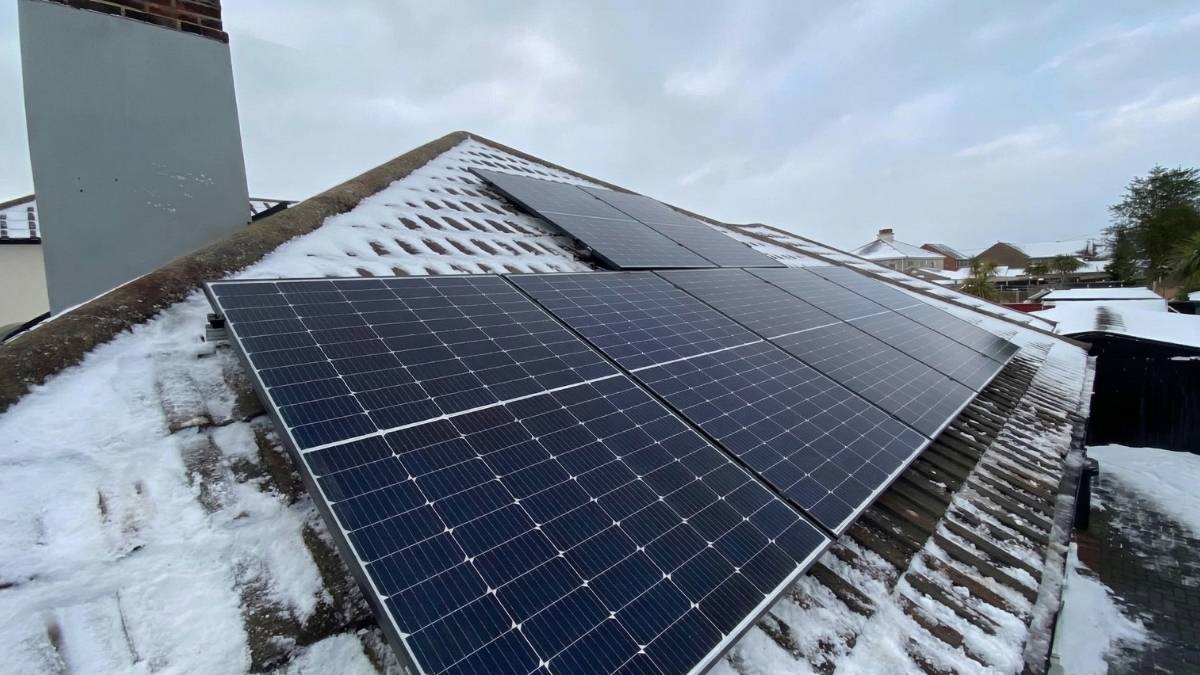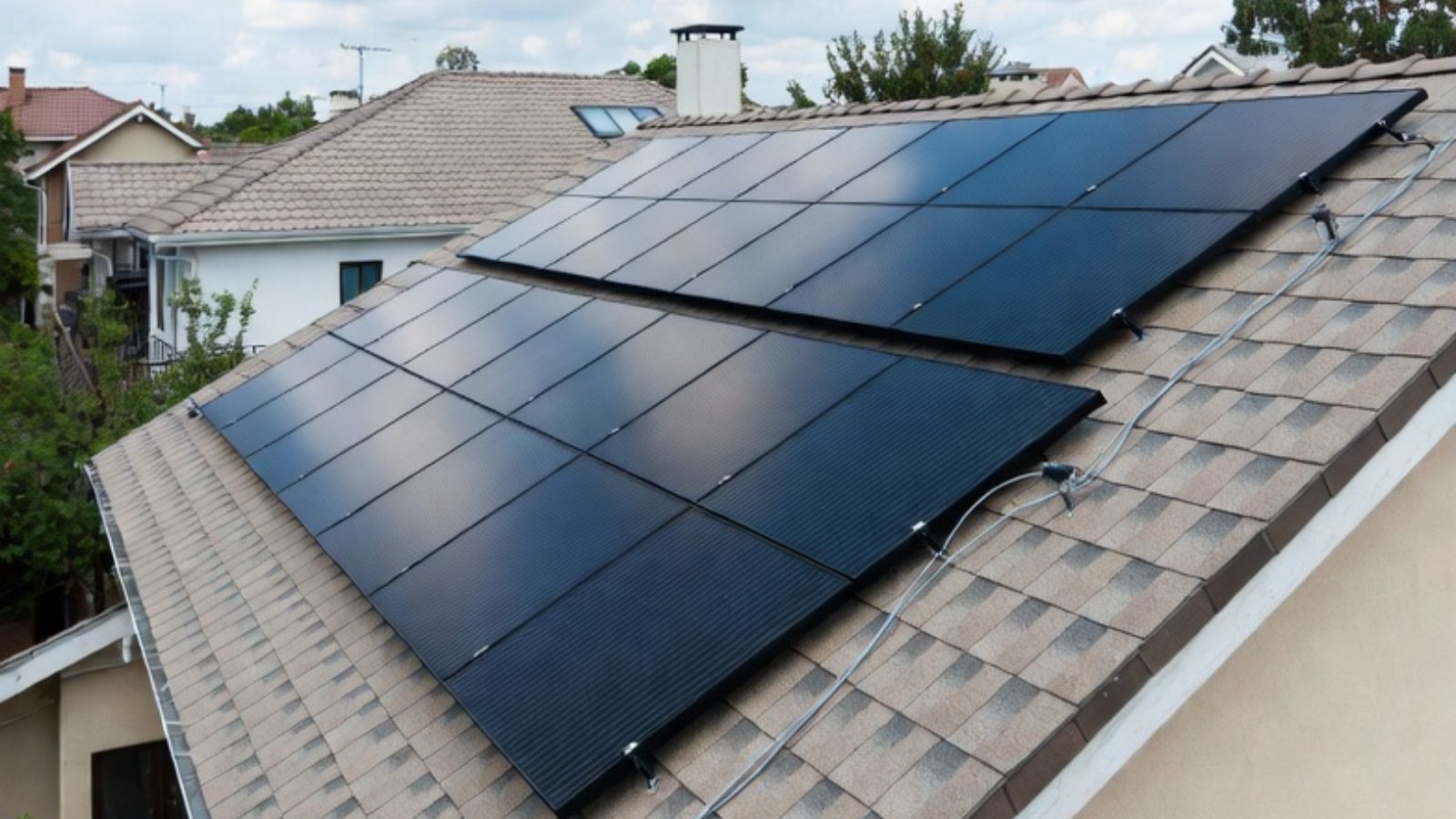
The SEAI solar grant 2026 is worth up to €1,800 off the cost of a solar panel installation. Thousands of Irish homeowners will claim it this year. A good chunk of them will make avoidable mistakes that delay payment or disqualify their application entirely.
The most common mistake? Starting installation before getting written grant approval. SEAI won’t pay out on work that began before they signed off. It doesn’t matter how good your installer is. If the sequence is wrong, you lose the grant.
This guide walks you through the full process in the right order, from eligibility check to money back in your account, so you don’t leave €1,800 sitting on the table.
Who Qualifies for the SEAI Solar Grant in 2026

Before anything else, check whether your home actually qualifies. The eligibility rules are straightforward but strict.
Your property must have been built and occupied before 1 January 2021. SEAI uses the installation date of your electricity meter to confirm the build date. If you’re unsure, ESB Networks can tell you when your meter was first connected.
You must be the homeowner. Tenants can’t apply. Private landlords can apply, but the property still needs to meet the build date requirement.
The grant is not available to homes that have already received solar PV funding at the same MPRN. If a previous owner claimed it, you can’t claim again at the same address.
Your property also needs an MPRN, a Meter Point Reference Number. You’ll find this at the top of any electricity bill.
How Much Is the SEAI Solar Grant 2026 Worth?
The SEAI solar grant 2026 is capped at €1,800 for the second year in a row. This is the first time the grant didn’t drop from the previous year’s level, following annual reductions from €2,400 in 2023 down to €1,800 in 2025.
The grant is calculated at €700 per kWp for the first 2 kWp installed, and €200 for every additional kWp up to a system size of 4 kWp. A 2.5 kWp system, for example, receives €1,500.
| System Size | Grant Value (2026) |
|---|---|
| 1 kWp | €700 |
| 2 kWp | €1,400 |
| 2.5 kWp | €1,500 |
| 3 kWp | €1,600 |
| 4 kWp or more | €1,800 (maximum) |
The grant scheme is currently due to end in 2029, with reductions expected in the years ahead. Claiming now while the amount is frozen at its highest remaining level is the sensible move.
Step 1: Choose an SEAI-Registered Installer
You can’t use just any solar company and expect to qualify. SEAI requires you to use a registered installer whose work meets their technical and installation standards.
Check the SEAI contractor register at seai.ie before signing anything. If your installer isn’t on the list, your grant application fails regardless of how well the job is done.
Solar Generation are SEAI-registered installers with over 15 years of experience and more than 2,500 solar systems installed across Ireland. They cover Sligo, Mayo, Donegal, Leitrim, Roscommon, and beyond. Find out more on the Solar Generation residential solar page.
Step 2: Apply for Grant Approval Before Any Work Starts
This is the step that catches homeowners out more than any other. You must submit your SEAI grant application and receive written approval before a single panel goes on your roof.
Work that begins before written approval arrives does not qualify for the grant. There are no exceptions.
To apply online through the SEAI portal, you’ll need:
- Your name and contact details
- Your property address and Eircode
- Your MPRN from your electricity bill
- The year your home was built
- Details of the system you’re planning to install
Solar Generation handles the full application process on behalf of their customers. It’s included as part of their end-to-end solar installation service, so you’re not filling in forms on your own.
Step 3: Receive Approval and Finalise Your System Design
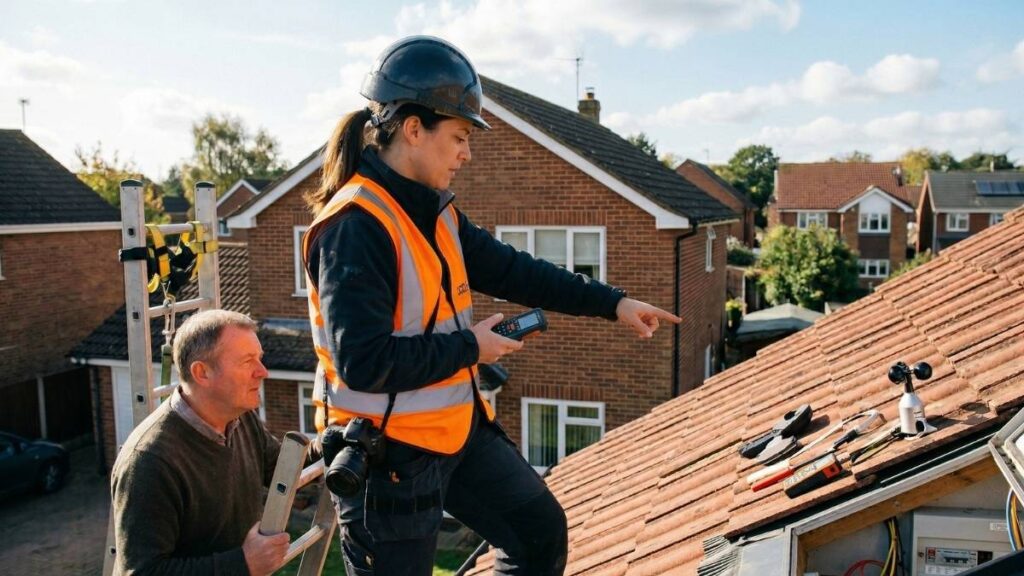
Once SEAI approves your application, you’ll get a grant offer letter. That’s your green light to move forward.
You have 8 months from approval to complete the installation and submit all required documentation. Eight months sounds comfortable, but installer lead times stretch out during busy periods, particularly from March through to August. Don’t sit on the approval letter.
Use this stage to finalise the system design with your installer. The right system size depends on your roof orientation, your typical electricity usage, and whether you’re adding battery storage. For homes across the north-west in areas like Sligo and Mayo, Solar Generation designs systems to get the best output from available daylight year-round. See how system sizing works on the solar panels page.
Step 4: Installation Day
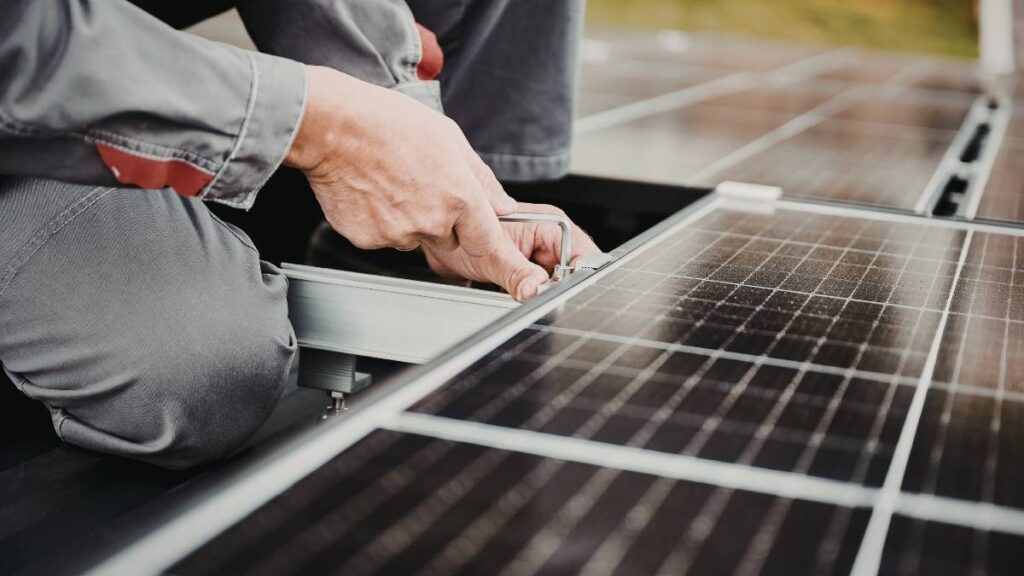
Your SEAI-registered installer carries out the full installation. A standard residential solar PV system typically takes one to two days on-site depending on the size and complexity of the job.
The work covers mounting the panels, connecting the inverter, wiring into your home’s electrical system, and commissioning the system. A qualified Safe Electric Ireland electrician must complete the electrical elements.
Your installer also needs to submit an ESB Networks NC6 form to register the installation and connect your system to the grid. This should be submitted before installation work starts. Processing typically takes at least 20 working days, so a good installer has this sorted well in advance.
Step 5: Get Your Post-Installation BER Assessment
Once the panels are installed, you need an updated Building Energy Rating certificate. SEAI requires a post-installation BER assessment before they release the grant payment.
A registered BER assessor visits your property, notes the installed solar system, and issues a new certificate reflecting the upgraded energy rating. You can find an assessor through SEAI’s National Register of BER Assessors. The cost is typically between €150 and €250 depending on your location.
Don’t leave this until the last minute. The BER certificate is a required document in your completion submission, and delays here push back your payment.
Step 6: Submit Your Completion Documents
With installation done and BER certificate in hand, your installer submits the completion package to SEAI. The required documents include:
- A Declaration of Works signed by your registered installer
- Your updated BER certificate
- Proof of payment to your installer
- Technical documentation confirming compliance with the Solar PV Code of Practice
Once SEAI receives and approves everything, your grant payment is processed. Most completion submissions are cleared within two to four weeks. Solar Generation deducts the grant amount from your final invoice upfront, so you pay the net cost on the day rather than waiting for a reimbursement.
What the Grant Doesn’t Cover
A few things worth having clear in your head before budgeting.
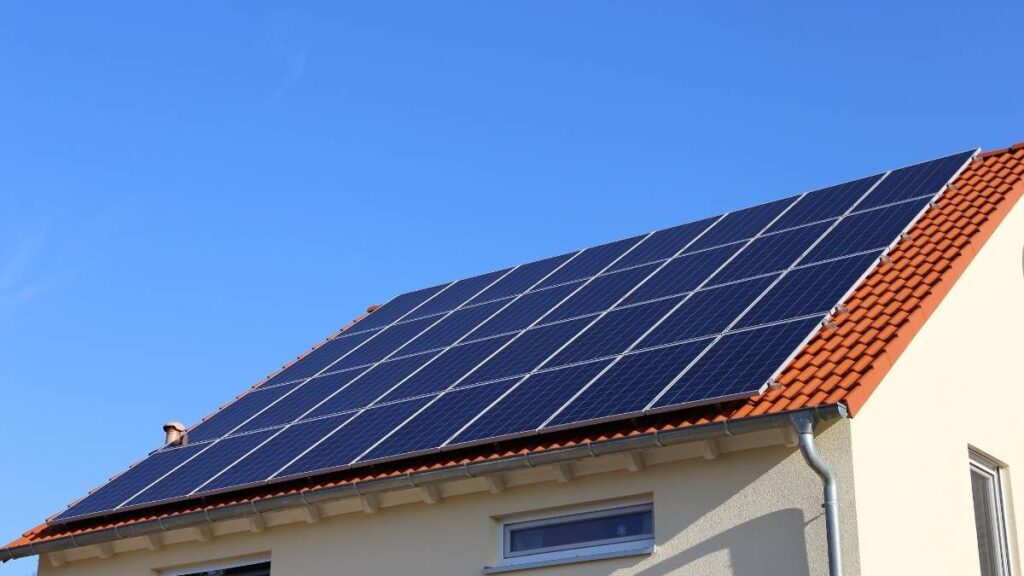
The SEAI solar grant covers the supply and installation of solar PV panels only. Battery storage is not included in the grant calculation. If you’re adding a battery to store excess energy for evening use, that cost sits outside the grant entirely.
The grant also doesn’t cover maintenance, monitoring, or any work carried out after installation. What it does cover is the core cost of the panels and the labour to install them.
One significant saving that runs alongside the grant is zero VAT. Since May 2023, a 0% VAT rate applies to the supply and installation of solar panels on private residences in Ireland. Before that rate was introduced, a €10,000 system carried €1,350 in VAT at the standard rate. That saving is now automatic and your installer applies it without any additional paperwork from you.
For a full breakdown of every available solar support including the microgeneration export tariff, visit the Solar Generation grants overview page.
Combining the Solar Grant with Other SEAI Schemes
The solar PV grant works alongside other SEAI home energy schemes. You can claim it at the same time as insulation grants, heat pump grants, or heating controls grants, as long as each is claimed as a separate measure.
If you’re planning a broader home upgrade, a One Stop Shop can manage the full process. A One Stop Shop deducts all applicable grants upfront, so you pay less from the start rather than waiting for multiple reimbursements. You can only use the One Stop Shop route for solar if you’re also getting other energy upgrades done at the same time.
Details on all available home energy grants are on seai.ie and a useful plain-language breakdown is available through citizensinformation.ie.
FAQ: SEAI Solar Grant 2026
What is the maximum SEAI solar grant in 2026?
The maximum SEAI solar grant in 2026 is €1,800. This applies to systems of 4 kWp or more. Smaller systems receive a lower grant calculated at €700 per kWp for the first 2 kWp and €200 for each additional kWp. The grant amount was frozen at the same level as 2025, the first year it hadn’t dropped.
Can I apply for the SEAI grant before choosing an installer?
You can begin the application process, but you’ll need system details and installer information to complete it. Most homeowners choose a registered installer first, then apply together before any work starts. What you cannot do is start installation before receiving written grant approval from SEAI, or you’ll lose the grant entirely.
Does the SEAI solar grant cover battery storage?
No. The SEAI solar PV grant covers the supply and installation of solar panels only. Battery storage is not included in the grant calculation and there is currently no standalone SEAI grant for residential battery storage in 2026. Battery storage is a worthwhile addition to a solar system but is funded separately as part of your overall installation budget.
How long does the SEAI solar grant process take?
From initial application to final grant payment, the full process typically takes three to five months. SEAI approval generally arrives within four to eight weeks of application. Installation follows, then BER assessment and document submission. Payment is usually processed within two to four weeks of a complete submission. Delays most often occur when documentation is incomplete at submission stage.
Conclusion
The SEAI solar grant 2026 is worth up to €1,800 and sits alongside zero VAT and microgeneration export income to make solar the most financially accessible it has ever been for Irish homeowners. The process is straightforward if you follow the steps in the right order.
Solar Generation are SEAI-registered installers with over 15 years of experience across the north-west and beyond. They handle the full grant process as part of every installation. Book a free solar assessment with Solar Generation and get a clear picture of what your system costs and what you’ll claim back.