It’s the most common question Solar Generation gets asked in Sligo, Mayo, and Donegal. Do solar panels actually work here? Is there enough sun? Won’t they be useless half the year
The short answer is yes, solar panels in the northwest work well. They don’t perform identically to a system in Wexford, but the difference is smaller than most people assume and the financial case is still very strong.
This article uses real output data for northwest counties, explains exactly why clouds aren’t the problem people think they are, and shows you what a typical homeowner in Sligo or Donegal actually gets from a solar installation.
The Big Misconception About Solar and Sunshine
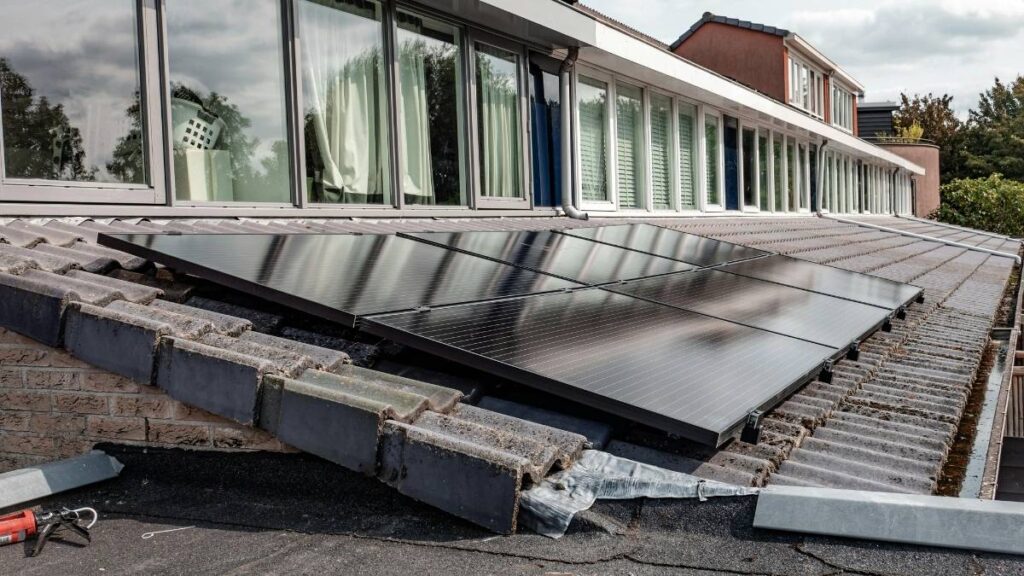
Most people think solar panels run on direct sunshine. They don’t.
Solar panels convert daylight into electricity, not heat. A bright overcast day in Sligo produces electricity just as a clear day does, just not quite as much. Modern solar panels capture 20 to 40% of their peak power output even on very cloudy days.
This is why Germany, which has similar levels of solar irradiance to the northwest of Ireland, is one of the largest solar markets in the world. The technology works on diffuse daylight. Ireland’s climate, including the northwest, provides plenty of it.
Real Output Numbers for Northwest Counties
The northwest region covering Sligo, Donegal, and Leitrim generates between 800 and 850 kWh annually per kWp of solar installed.
A 4 kWp system in Sligo generates roughly 3,200 to 3,400 kWh annually. The same system in Wexford generates 3,800 to 4,000 kWh. That’s a difference of around 15 to 18%.
That gap sounds significant on paper. In practice, a system in Sligo still covers 75 to 80% of typical household electricity needs. The payback period is 6 to 7 years rather than 5 to 6, but the system runs for 25 years.
| County | Annual Yield (per kWp) | 4 kWp System Output |
|---|---|---|
| Wexford | 965 kWh | ~3,860 kWh |
| Dublin | ~914 kWh | ~3,656 kWh |
| Galway | ~886 kWh | ~3,544 kWh |
| Sligo | ~830 kWh | ~3,320 kWh |
| Donegal | ~817 kWh | ~3,268 kWh |
The difference between the best county in Ireland and the lowest is 18%. Even in the lowest-ranked counties, a 4 kWp system generates over 3,200 kWh per year, covering more than 76% of average household electricity use.
The average Irish household uses around 4,200 kWh annually. A south-facing 4 kWp system in Sligo covers the bulk of that.
What Actually Affects Output More Than Location
Location matters, but it’s not the biggest factor. Roof orientation and shading have a greater impact on output than whether you’re in Sligo or Wicklow.
A solar array in Ireland’s sunniest southeast counties typically performs about 9% better than the national average. In the far northwest, the same panels produce about 8% less than the national average. That’s the real range, and it’s not dramatic.
What makes a much bigger difference are three things.
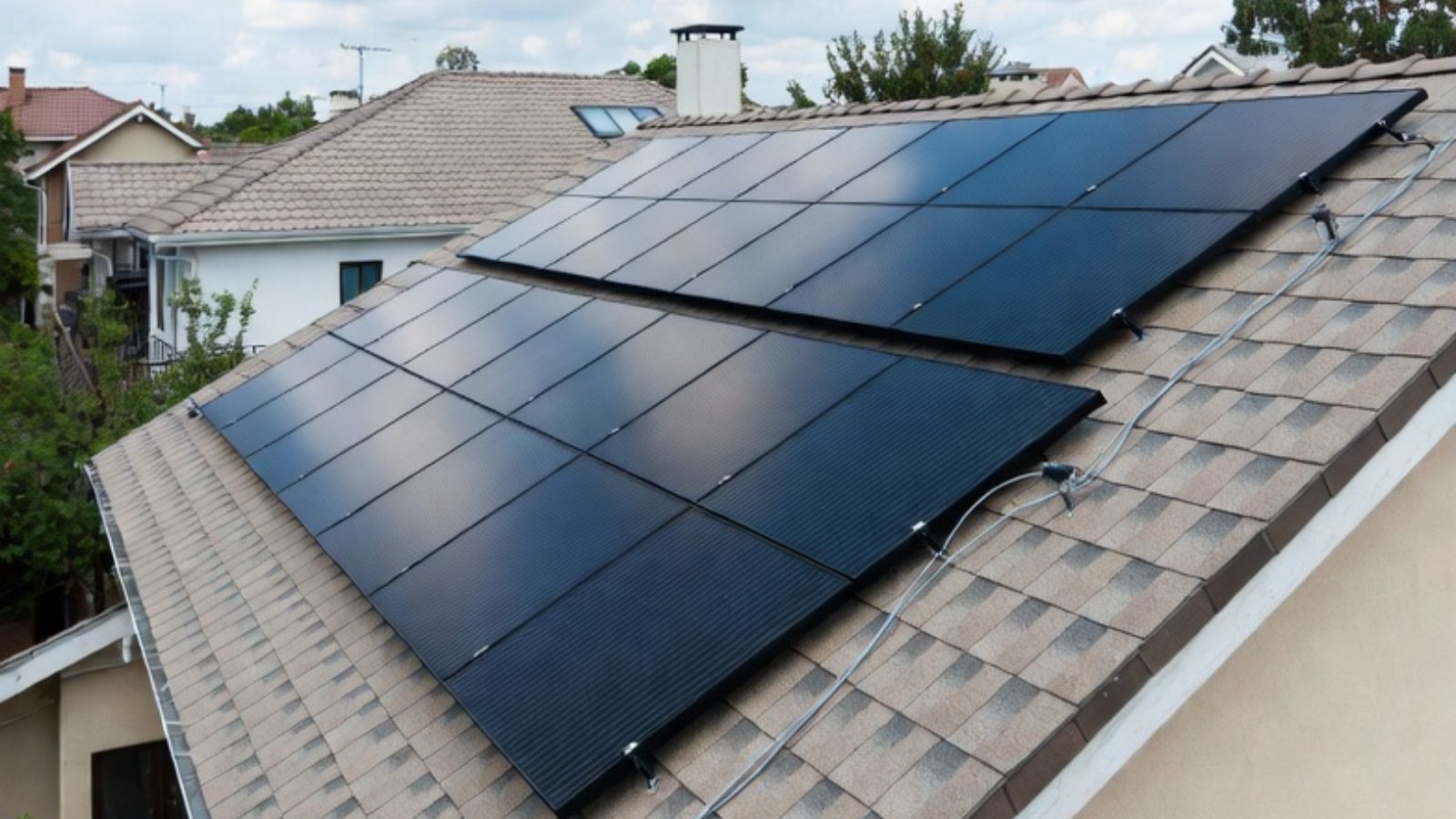
Roof orientation. A south-facing roof gets the most direct light across the day. Southeast and southwest-facing roofs perform almost as well. East and west-facing roofs produce less but still generate meaningful output. A north-facing roof is the one situation where solar genuinely struggles.
Shading. A chimney, a neighbouring building, or a large tree that shades panels for several hours a day reduces output far more than living in Donegal rather than Dublin. Shading assessment is part of every site survey Solar Generation carries out.
System quality. Panel efficiency has improved significantly over the past decade. Modern high-efficiency panels squeeze more output from the same roof area compared to panels installed ten years ago.
A Real Example: 4 kWp System in Sligo
Here’s what a real installation looks like in numbers.
A 4 kWp south-facing system in Sligo generates 3,350 kWh annually for a household consuming 4,100 kWh in total. With a 5 kWh battery achieving 72% self-consumption, grid electricity purchases drop from 4,100 kWh to just 1,500 kWh, saving around €950 annually.
In Donegal, a 3.2 kWp southeast-facing system generates 2,680 kWh for a household using 3,600 kWh per year. Even without battery storage, that covers nearly three-quarters of annual consumption.
On a typical electricity rate of around 32 cent per kWh, the Sligo example saves over €800 per year from generation alone. Add export income from the Clean Export Guarantee and the total saving is higher. At that rate, a net system cost of €7,500 after the SEAI grant pays back in under nine years, with 16 or more years of largely free electricity to follow.
What About Winter in the Northwest?
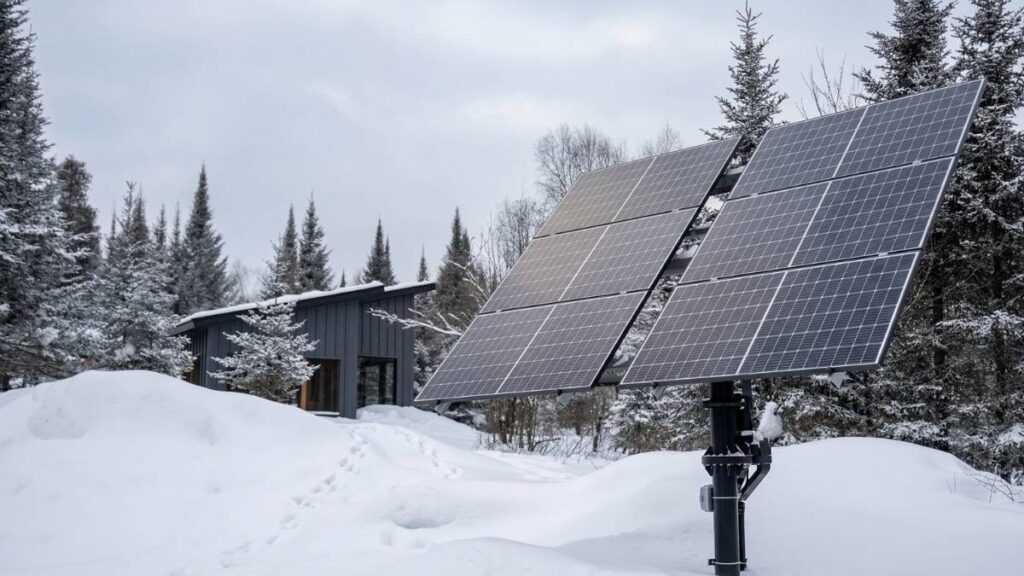
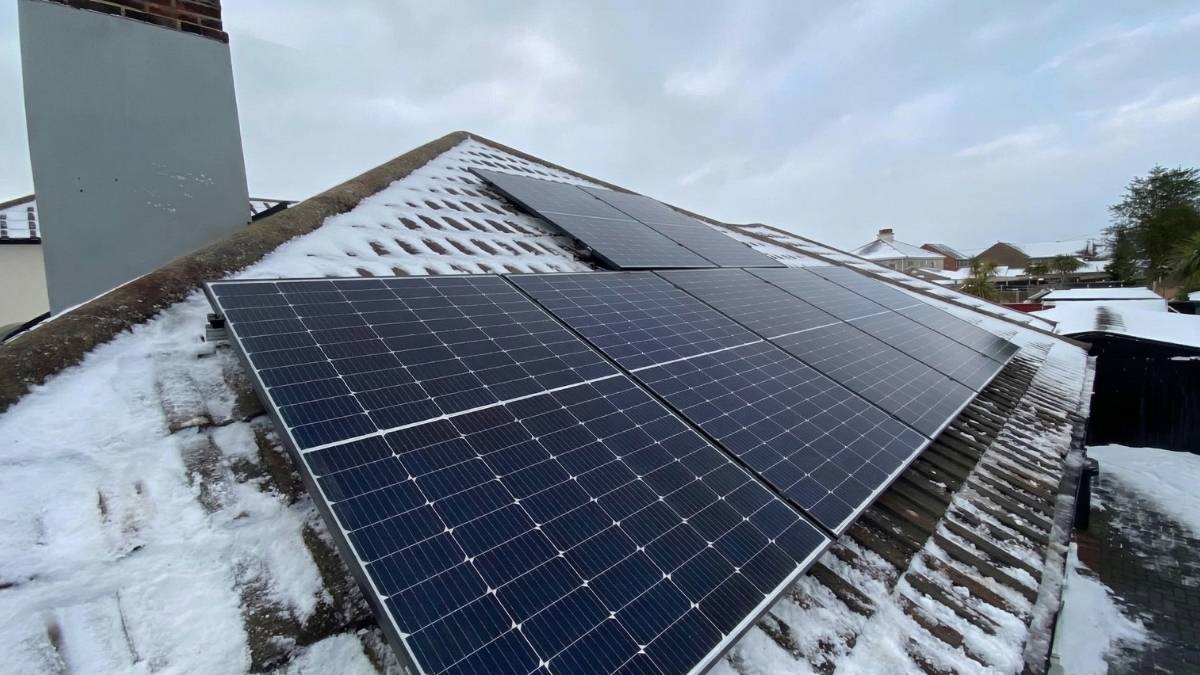
Winter output is lower. There’s no point pretending otherwise. Shorter days and lower sun angles reduce daily generation from November through January.
But it’s not zero. On an average winter day in Ireland, a 3 kWp system generates around 2 to 3 kWh. That runs the kettle, the washing machine, and offsets some of what you’d otherwise buy from the grid.
The right way to think about it is annual performance, not daily winter performance. The system earns back quiet winter days during the longer summer months when output peaks and electricity export income adds to the savings.
Seasonal generation is highest between May and September, accounting for around 75% of your annual total. Adding a battery captures the daytime surplus for use in the evenings, improving what you actually consume from your own system rather than push to the grid.
For more on how battery storage changes the numbers, see the Solar Generation battery storage page.
The Financial Case for Solar in the Northwest Right Now
Three financial factors combine to make solar genuinely attractive for northwest homeowners in 2026.
The SEAI grant. The SEAI solar grant is capped at €1,800 in 2026 and was frozen at that level rather than reduced as originally planned. The scheme is due to end in 2029. Claiming now, while the amount is at its current level, makes sense. Solar Generation handles the full application process for every customer. See the full picture on the SEAI grant information page.
Zero VAT. Since May 2023, a 0% VAT rate applies to the supply and installation of solar panels on private residences in Ireland. On a €9,000 system, the old 13.5% rate would have added over €1,200. That saving is now automatic and permanent.
The Clean Export Guarantee. Any electricity your system generates but doesn’t use gets exported to the grid. Suppliers pay you for every unit exported. Export rates vary by supplier but add real income on top of the direct savings from reduced electricity purchases.
Full details on Ireland’s microgeneration supports are available at seai.ie. A useful plain-language overview is also on citizensinformation.ie.
What to Check Before Getting a Quote
Not every home is equally suited to solar. A few things are worth looking at before you request an assessment.
Roof orientation. South-facing is ideal. Southeast and southwest are nearly as good. East and west-facing still generate worthwhile output. North-facing roofs are the main exception where solar typically isn’t recommended.
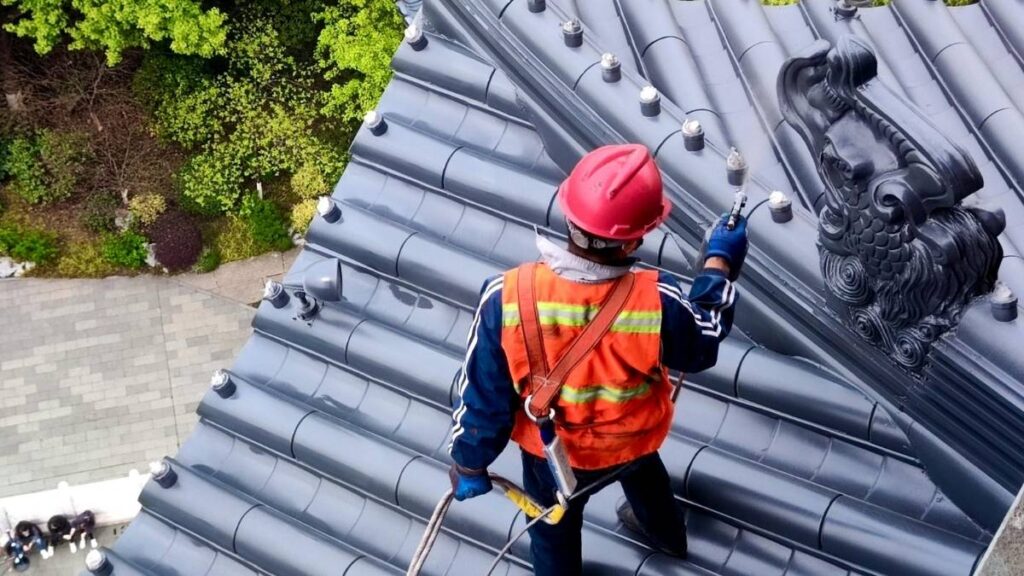
Roof condition. If your roof needs attention within the next five years, sort that first. A solar system is designed to last 25 years. Removing and reinstalling panels mid-way through is a cost nobody wants.
Shading. Look at your roof at different times of day. Any significant shading from chimneys, trees, or neighbouring buildings will be picked up during a professional site survey but it’s useful to be aware of it before you call.
Your electricity bill. The higher your annual electricity usage, the stronger the financial case. If you use less than 2,000 kWh per year, the payback period stretches out considerably. For most Irish family homes using 3,500 to 5,000 kWh annually, the case is clear.
Solar Generation offers a free site assessment for homeowners across Sligo, Mayo, Donegal, Leitrim, and Roscommon. Book yours on the Solar Generation contact page. The team will give you an honest answer on whether your property is a good fit, even if that means advising against installation.
Solar Panels in the Northwest: Second Homes and Holiday Properties
The northwest has a significant number of holiday homes and second properties, and solar works particularly well for these.
Electricity used during daylight hours, typically when occupants are home and active, is the electricity solar replaces most efficiently. Holiday homes tend to have high daytime occupancy during peak solar months. The match between when power is generated and when it’s actually needed is often better than in a standard primary residence.
Export income also continues year-round regardless of occupancy. Excess generation goes to the grid automatically and earns export income whether anyone is in the property or not. For more on how commercial and secondary property installations work, visit the Solar Generation commercial solar page.
FAQ: Solar Panels in the Northwest of Ireland
Do solar panels work in Sligo and Donegal?
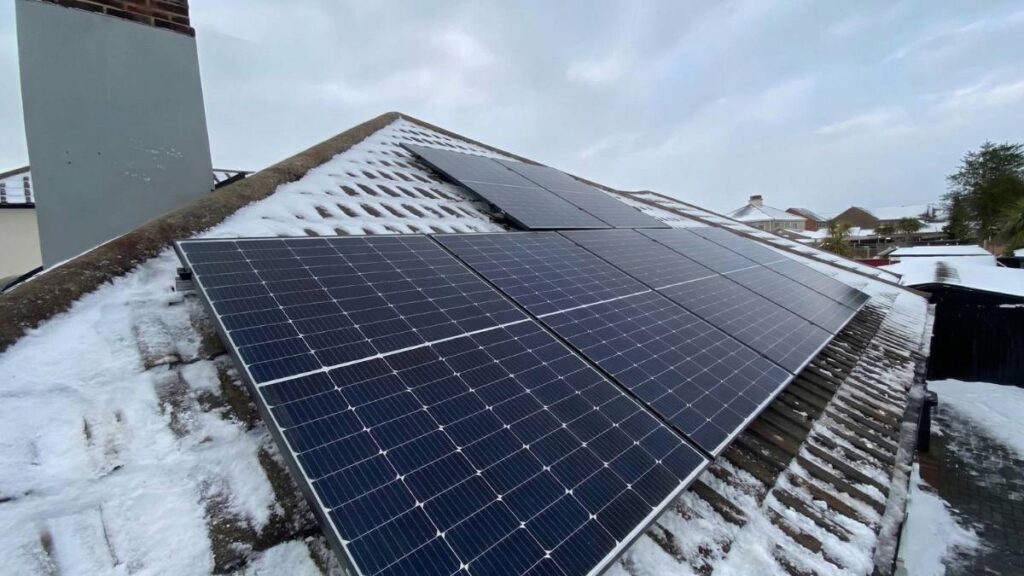
Yes. A 4 kWp system in Sligo generates approximately 3,200 to 3,400 kWh annually, covering 75 to 80% of a typical household’s electricity needs. Output in Donegal is slightly lower but still comfortably above the threshold that makes solar a sound financial investment. The output difference from the national average is around 8%.
How does cloudy weather affect solar panels in the northwest?
Modern solar panels convert daylight into electricity, not direct sunshine. On a cloudy but bright day, panels still generate meaningful output, typically 20 to 40% of their peak capacity. The northwest gets fewer clear-sky hours than the southeast but receives plenty of the diffuse daylight that modern panels use effectively throughout the year.
What is the payback period for solar in the northwest?
For a 4 kWp system in the northwest, the payback period is typically 6 to 8 years depending on electricity usage, roof orientation, and whether battery storage is included. That compares to 5 to 6 years in the sunnier southeast counties. Both sit well within the 25-year performance warranty period, leaving many years of largely free electricity.
Is it worth adding a battery to a solar system in the northwest?
For most northwest homeowners, yes. A battery stores the daytime surplus that would otherwise be exported at lower rates and makes it available in the evening when demand is highest. This improves overall self-consumption significantly and increases the return on the system. Solar Generation includes battery storage options as part of their residential installations across the northwest.
Conclusion
Solar panels in the northwest of Ireland generate real electricity, real savings, and a genuine return on investment. The output difference compared to the sunniest part of Ireland is around 15 to 18%, not nearly enough to change the financial case.
Solar Generation has been installing solar systems across Sligo, Mayo, Donegal, Leitrim, and Roscommon for over 15 years. They’re SEAI-registered, locally based, and have more than 2,500 systems running across the northwest. Book a free solar assessment and find out exactly what your roof can produce.